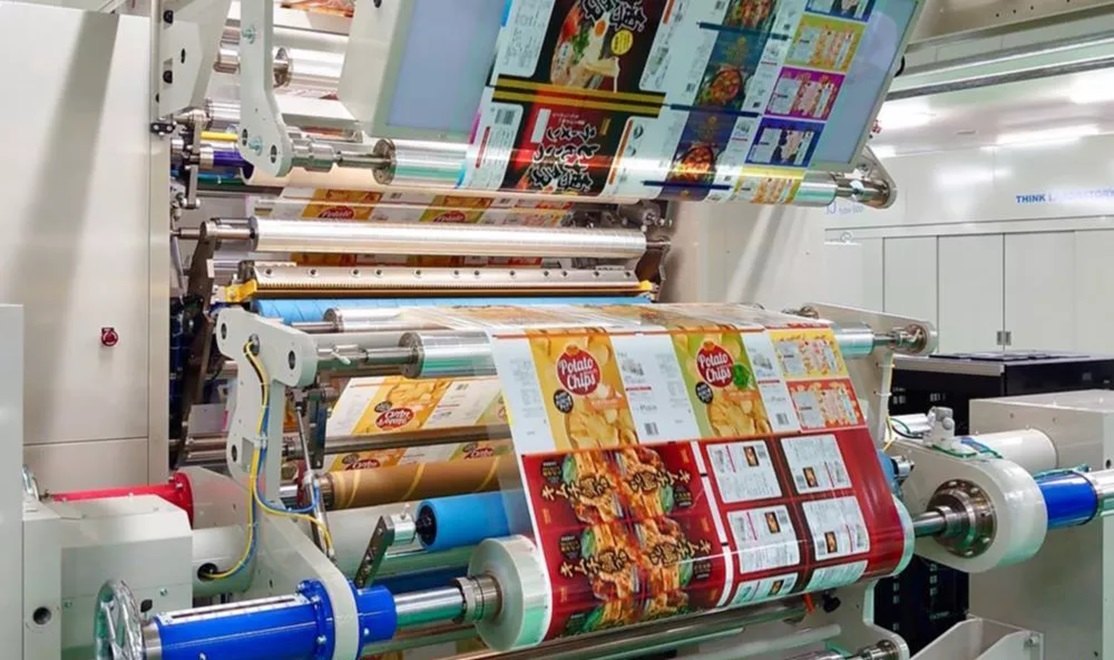

Delivering photographic quality on corrugated flute boards has become a top priority for brands seeking to stand out on retail shelves. As packaging evolves from simple protection to a powerful marketing tool, the demand for high-resolution graphics and vibrant imagery on corrugated substrates has grown rapidly. However, achieving this level of print quality on fluted materials presents unique challenges due to their textured surfaces and absorbent nature.
This guide explores practical strategies, print technologies, and workflow tips for producing stunning, photo-realistic results on corrugated packaging. Whether you’re a packaging converter, print buyer, or brand manager, understanding the key factors that influence image reproduction on fluted boards will help you make informed decisions and deliver exceptional results.
For those interested in related advances in packaging decoration, you may also find value in reading about future of cobots in packaging decoration, which explores automation trends in print finishing.
Understanding the Challenges of Printing on Corrugated Flutes
Corrugated boards are constructed from a fluted medium sandwiched between linerboards, resulting in a surface that is inherently uneven and porous. This structure can cause ink to absorb unpredictably and images to lose sharpness, making it difficult to reproduce fine photographic details. Key challenges include:
- Surface Texture: The undulating surface of fluted boards can disrupt ink laydown, leading to mottling or banding in printed images.
- Ink Absorption: High absorbency of the board can cause dot gain and color shifts, reducing the vibrancy and clarity of photographic prints.
- Substrate Variability: Differences in board composition, coating, and thickness can impact print consistency from run to run.
Overcoming these obstacles requires a combination of material selection, print process optimization, and the right technology choices.
Choosing the Right Print Technology for High-Resolution Results
Several printing methods are used to achieve photo-quality graphics on corrugated packaging. The most common include:
- Flexographic Printing: Widely used for corrugated, flexo has evolved with improved plate materials, finer anilox rolls, and advanced inks. Modern flexo presses can now deliver impressive image detail, especially when paired with preprint linerboard.
- Digital Printing: Inkjet and toner-based digital presses are increasingly popular for short runs and variable data. Digital technology excels at reproducing photographic images, offering high resolution and vibrant color on coated and uncoated boards.
- Litho Lamination: This process involves printing high-quality offset graphics on paper, then laminating it to corrugated board. Litho lam offers the best photographic reproduction but is typically reserved for premium packaging due to higher costs.
For a deeper dive into how digital print is transforming the packaging sector, see this industry analysis on the growth of digital print for packaging.
Material and Substrate Considerations for Photographic Printing
To maximize image clarity and color accuracy, careful selection of board materials is essential. Consider the following factors:
- Coated vs. Uncoated Liners: Coated liners provide a smoother, less absorbent surface, allowing for sharper images and more vibrant colors. Uncoated liners may be more cost-effective but can limit print quality.
- Flute Profile: Finer flute profiles (such as E or F flute) offer a flatter surface, reducing the risk of image distortion and improving detail reproduction.
- Preprint vs. Postprint: Preprinting on flat linerboard before corrugation yields better results for photographic images, as the substrate is smoother and more stable during printing.
Working closely with your board supplier and printer to specify the right combination of liners, coatings, and flute profiles is a critical step toward achieving high-end graphics.
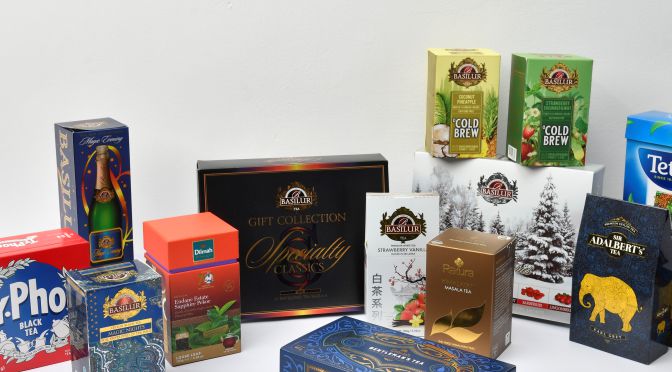
Optimizing Artwork and Prepress for Fluted Substrates
Even the best printing technology cannot compensate for artwork that is not prepared for the unique characteristics of corrugated boards. To ensure photographic images look their best:
- Image Resolution: Use high-resolution images (at least 300 dpi at final print size) to preserve detail.
- Color Management: Calibrate monitors and use ICC profiles tailored for the specific print process and substrate to maintain color accuracy.
- Dot Gain Compensation: Adjust tonal curves in prepress to account for dot gain caused by ink absorption on fluted surfaces.
- Trap and Overprint Settings: Fine-tune trapping to prevent gaps or color misregistration, especially in areas of fine detail.
Collaborating with experienced prepress professionals and conducting press proofs on actual board stock are essential steps to avoid surprises during production.
Workflow Tips for Consistent Photographic Results
Consistency is key when aiming for photo-realistic quality on corrugated packaging. Consider these workflow best practices:
- Standardize Materials: Use the same board grades, coatings, and flute profiles across production runs to minimize variability.
- Monitor Environmental Conditions: Control temperature and humidity in the pressroom to prevent substrate warping and ink drying issues.
- Regular Press Maintenance: Clean anilox rolls, print heads, and plates regularly to maintain sharpness and color fidelity.
- Implement Quality Control: Use spectrophotometers and visual inspection to monitor color consistency and image clarity throughout the print run.
For those exploring new print technologies, you might also be interested in learning about what is sublimation printing for specialty packaging, which covers another innovative approach to high-impact graphics.
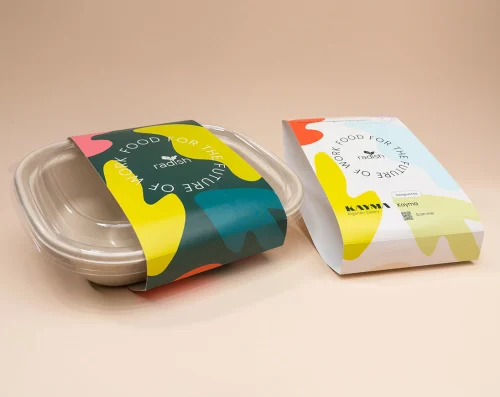
Emerging Trends and Future Directions in Corrugated Print Quality
The pursuit of photographic quality on corrugated flutes continues to drive innovation across the packaging industry. Notable trends include:
- Hybrid Printing: Combining flexo and digital processes to balance cost efficiency with high-end graphics.
- Advanced Inks and Coatings: Development of low-migration, fast-curing inks that enhance color vibrancy and durability on fluted substrates.
- Automation and AI: Integration of automated inspection and color correction systems to ensure consistent results at scale.
As consumer expectations rise, brands are investing in new technologies and workflow improvements to deliver packaging that not only protects but also captivates. For a look at how futuristic design trends are shaping packaging, see the article on trends in futuristic and sci-fi packaging aesthetics.
Frequently Asked Questions
What is the best print method for photo-quality images on corrugated boards?
For the highest photographic quality, litho lamination is often preferred due to its ability to deliver offset-level detail. However, modern flexographic and digital presses have made significant advances, allowing for excellent results on coated liners and fine flutes. The choice depends on budget, run length, and desired image quality.
How can I prevent color shifts when printing on fluted substrates?
Color shifts are often caused by ink absorption and substrate variability. To minimize this, use coated liners, calibrate your color workflow, and work with ICC profiles specific to your print process. Press proofs and regular quality checks are also essential for maintaining color accuracy.
Do I need special artwork preparation for corrugated packaging?
Yes, artwork should be optimized for the printing process and substrate. This includes using high-resolution images, adjusting for dot gain, and ensuring proper trapping. Collaborate with your prepress team and request test prints on the actual board to verify results before full production.
Conclusion
Producing photo-realistic graphics on corrugated packaging is a complex but achievable goal with the right combination of materials, print technology, and workflow expertise. By understanding the unique challenges of fluted substrates and applying best practices in prepress and production, brands can deliver packaging that truly stands out. As the industry continues to innovate, the possibilities for high-impact, photographic-quality packaging on corrugated boards will only expand.