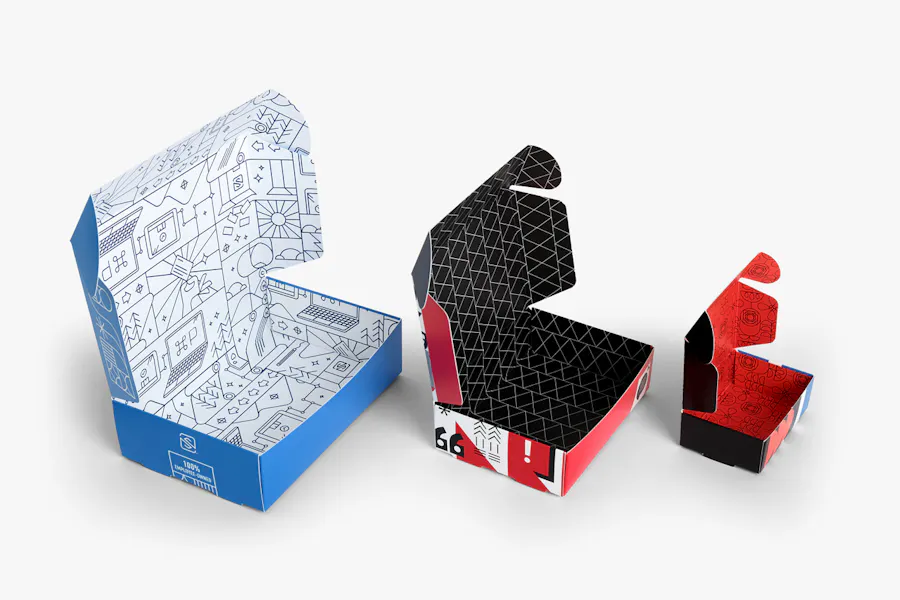

Sublimation printing has become a transformative technology in the world of specialty packaging. As brands seek more vibrant, durable, and customizable solutions, understanding this process is essential for anyone involved in packaging design, production, or procurement. This article explores how sublimation works, its unique advantages, and why it’s gaining traction for custom packaging applications.
For businesses looking to stand out, the ability to create eye-catching, high-quality packaging is invaluable. Sublimation offers a way to achieve this with precision and flexibility, especially when compared to traditional printing methods. Whether you’re a startup or an established manufacturer, learning about this process can help you make informed decisions about your next packaging project.
If you’re interested in the latest design innovations, you might also want to explore trends in futuristic and sci-fi packaging aesthetics for 2026, which highlight how advanced printing technologies are shaping the future of packaging.
Understanding the Sublimation Process in Packaging
At its core, sublimation printing for specialty packaging is a digital process that uses heat to transfer dye onto materials such as plastics, polyester fabrics, and specially coated substrates. Unlike conventional methods that lay ink on the surface, sublimation turns solid dye into gas without passing through a liquid phase. This gaseous dye then penetrates the surface of the packaging material, resulting in a permanent, full-color image that won’t crack, peel, or fade easily.
The process typically involves printing a mirrored image onto special transfer paper using sublimation inks. The printed paper is then placed onto the packaging substrate and subjected to high heat and pressure. The heat causes the dye to sublimate and bond with the material at a molecular level, creating a seamless and durable finish.
Why Choose Sublimation for Custom Packaging?
There are several reasons why businesses are turning to sublimation printing for specialty packaging needs:
- Vivid, Photorealistic Colors: Sublimation produces exceptionally bright and detailed images, making it ideal for packaging that needs to attract attention on the shelf.
- Durability: Since the dye becomes part of the substrate, the print is resistant to scratching, moisture, and UV exposure.
- Customization: Digital workflows allow for short runs, variable data, and personalized packaging without the setup costs of traditional printing.
- Eco-Friendly Options: Many sublimation inks are water-based and produce less waste compared to solvent-based alternatives.
Materials and Applications in Specialty Packaging
Sublimation is best suited for materials that can withstand high temperatures and have a receptive polymer coating. Common substrates include:
- Polyester films and labels
- Coated paperboard and cardboard
- Plastic pouches and flexible packaging
- Rigid containers with polymer coatings
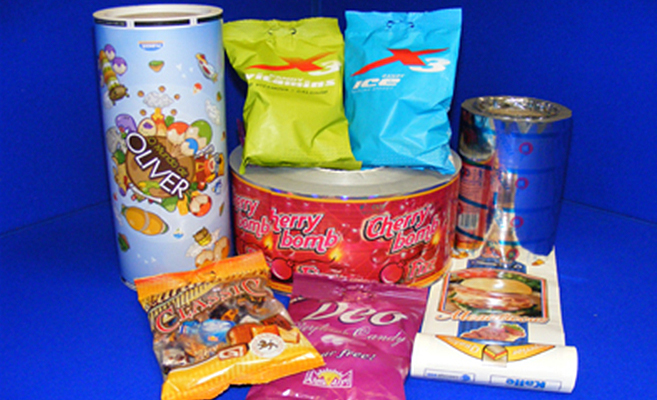
This versatility makes it possible to use sublimation for a wide range of packaging formats, from flexible snack wrappers to rigid gift boxes. It’s particularly popular in industries where branding and presentation are critical, such as cosmetics, specialty foods, and promotional products.
For startups and small businesses, the benefits of short-run digital printing for startups are amplified by sublimation’s ability to produce high-quality packaging in limited quantities without sacrificing quality or increasing costs.
Comparing Sublimation to Other Printing Methods
When evaluating what is sublimation printing for specialty packaging compared to other techniques, several distinctions stand out:
| Feature | Sublimation | Flexography | Offset Printing |
|---|---|---|---|
| Color Vibrancy | Excellent | Good | Very Good |
| Durability | High | Moderate | Moderate |
| Setup Costs | Low | High | High |
| Short Runs | Ideal | Less Efficient | Less Efficient |
| Material Compatibility | Polyester/Coated | Wide | Wide |
While flexography and offset printing remain popular for large-scale packaging, sublimation stands out for its ability to deliver premium results in smaller batches and on specialty materials.
Emerging Trends and the Future of Sublimation in Packaging
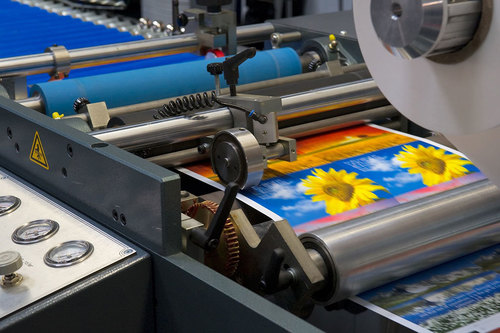
As consumer preferences evolve, packaging is becoming a key differentiator for brands. Sublimation is poised to play a larger role, especially as new substrates and eco-friendly inks are developed. Innovations in digital workflows and automation are making it easier to integrate this technology into existing production lines.
For a deeper look at upcoming innovations, the future of print and packaging is a valuable resource, outlining how digital and automated processes will shape the industry by 2026.
Additionally, the integration of robotics and collaborative automation is streamlining finishing and decoration. Learn more about the future of cobots in packaging decoration and how they’re enhancing efficiency and quality in specialty packaging.
Best Practices for Implementing Sublimation in Packaging Projects
To get the most from sublimation, consider these practical tips:
- Choose the Right Substrate: Ensure your packaging material is compatible with sublimation dyes and can withstand the required heat and pressure.
- Optimize Artwork: Use high-resolution images and color profiles tailored for sublimation to achieve the best results.
- Test and Prototype: Run small batches to verify color accuracy and durability before scaling up production.
- Consider Sustainability: Look for eco-friendly inks and recyclable substrates to align with green packaging initiatives.
For those interested in sustainable workflows, see how to implement circular design principles in printing to reduce waste and improve environmental impact.
FAQ: Sublimation Printing for Specialty Packaging
What types of packaging are best suited for sublimation?
Sublimation works best on polyester-based materials and substrates with a special polymer coating. This includes flexible pouches, shrink sleeves, labels, and rigid containers designed for heat transfer.
Is sublimation printing environmentally friendly?
Many sublimation inks are water-based and produce less waste compared to traditional solvent-based inks. Choosing recyclable or biodegradable substrates can further enhance the sustainability of your packaging.
How does sublimation compare to digital or flexographic printing for short runs?
Sublimation is ideal for short runs and custom packaging because it requires minimal setup and can produce vibrant, durable prints with variable data. Flexographic and offset methods are more cost-effective for very large runs but lack the same level of customization.
Conclusion
Sublimation printing offers a unique blend of color vibrancy, durability, and flexibility for specialty packaging needs. As brands seek more personalized and sustainable solutions, this technology is set to become a mainstay in the packaging industry. By understanding its advantages and best practices, businesses can leverage sublimation to create packaging that not only protects products but also elevates brand identity.