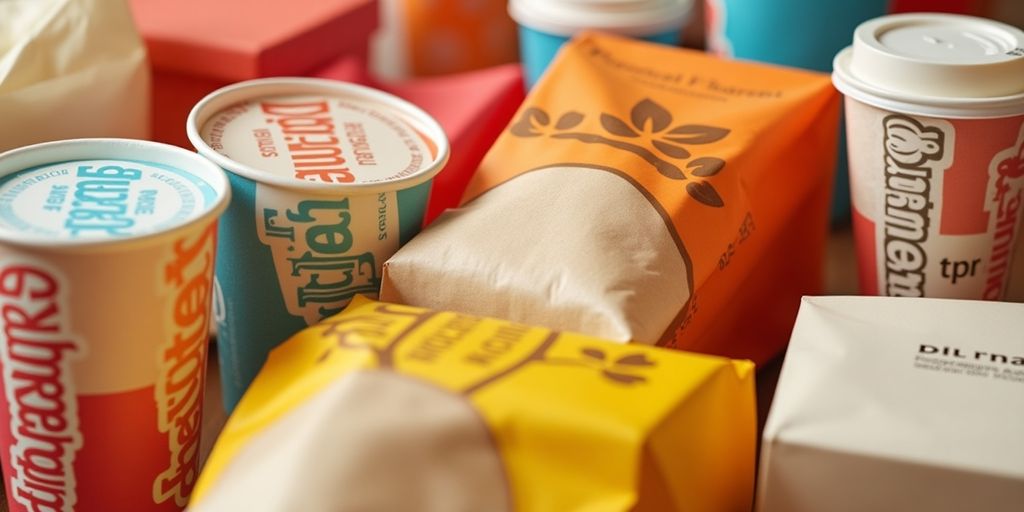

The packaging industry is undergoing rapid transformation, driven by the need for efficiency, customization, and sustainability. One of the most significant advancements shaping this sector is the integration of collaborative robots, or cobots, into decoration and finishing processes. As automation becomes more accessible, understanding the future of cobots in packaging decoration is essential for businesses aiming to stay competitive and innovative.
From digital printing to intricate finishing touches, cobots are redefining how packaging is designed, produced, and delivered. Their ability to work safely alongside humans, adapt to different tasks, and enhance productivity makes them a game-changer for both large-scale manufacturers and agile startups. For those interested in how these trends intersect with digital print, the benefits of short-run digital printing for startups provide valuable context on the broader shift toward flexible, on-demand production.
How Cobots Are Transforming Packaging Decoration
Collaborative robots are designed to operate safely in close proximity to humans, making them ideal for packaging environments where flexibility and adaptability are crucial. Unlike traditional industrial robots, cobots can be easily programmed and reconfigured for a variety of tasks, from applying labels and varnishes to handling delicate materials and performing quality checks.
Some of the most impactful applications include:
- Automated Labeling: Cobots can precisely apply labels to a wide range of packaging shapes and sizes, reducing errors and increasing throughput.
- Digital Printing Assistance: By loading and unloading substrates, cobots streamline digital print workflows, supporting both short-run and high-mix production.
- Finishing Operations: Tasks such as embossing, foiling, and die-cutting can be automated, ensuring consistency and freeing up human workers for more complex duties.
These capabilities not only improve efficiency but also support the growing demand for personalized and sustainable packaging solutions.
Key Drivers Shaping the Future of Cobots in Packaging Decoration
Several trends are accelerating the adoption of cobots in packaging decoration and finishing:
- Customization and Short Runs: As brands seek to differentiate themselves, the need for customized packaging and limited-edition runs is increasing. Cobots enable rapid changeovers and flexible production lines.
- Labor Shortages: With skilled labor in short supply, especially for repetitive or ergonomically challenging tasks, cobots fill critical gaps while improving workplace safety.
- Integration with Digital Technologies: The convergence of cobots with digital printing, IoT, and AI enables smarter, more connected production environments. For a deeper dive into these digital trends, see the Smithers report on the future of digital print for packaging.
- Sustainability Goals: Cobots help minimize waste by ensuring precise material use and supporting circular design principles. Learn more about these strategies in how to implement circular design principles in printing.

Emerging Technologies and Their Impact on Packaging Finishing
The evolution of cobots is closely linked to advancements in other technologies. For example, machine vision systems allow cobots to inspect print quality and detect defects in real time, while AI-driven software enables predictive maintenance and process optimization. These innovations are making packaging lines smarter and more responsive to market demands.
Additionally, the integration of cobots with digital prototyping tools is reducing time-to-market for new packaging concepts. For those interested in rapid development cycles, what is digital prototyping for packaging explores how digital workflows are speeding up production and enabling more creative experimentation.
Challenges to Widespread Adoption
While the benefits are clear, there are still hurdles to overcome before cobots become ubiquitous in packaging decoration and finishing. These include:
- Initial Investment: Although cobots are more affordable than traditional robots, the upfront cost can be a barrier for smaller businesses.
- Integration Complexity: Adapting existing production lines to accommodate cobots may require significant reengineering and staff training.
- Standardization: The lack of universal standards for cobot interfaces and safety protocols can slow down deployment and interoperability.
Despite these challenges, the long-term advantages—such as increased agility, improved safety, and enhanced product quality—are driving steady growth in cobot adoption.

Opportunities for Innovation in Packaging Decoration
As the packaging sector continues to evolve, cobots are opening up new possibilities for creative and sustainable decoration techniques. Some of the most promising opportunities include:
- Personalized Packaging: Cobots enable cost-effective customization, allowing brands to offer unique designs for different markets or even individual customers.
- Eco-Friendly Materials: By precisely handling recycled and biodegradable substrates, cobots support the shift toward greener packaging. For more on sustainable design, see trends in earth-toned color palettes.
- Integration with Smart Packaging: Cobots can apply RFID tags, QR codes, and other smart features that enhance traceability and consumer engagement.
These innovations are not only enhancing the visual appeal of packaging but also contributing to more efficient and responsible production processes.
What’s Next for Cobots in Packaging?
Looking ahead, the role of cobots in packaging decoration and finishing will only expand. As technology matures, expect to see even greater collaboration between humans and machines, with cobots taking on more complex and creative tasks. The combination of automation, digital print, and sustainable materials will define the next generation of packaging solutions.
For those interested in how these trends intersect with emerging materials, the future of mycelium packaging graphics offers a glimpse into the possibilities of bio-based packaging and advanced print technologies.
Frequently Asked Questions
How do cobots differ from traditional industrial robots in packaging decoration?
Cobots are designed to work safely alongside humans and are typically easier to program and deploy than traditional robots. They excel at tasks requiring flexibility and frequent changeovers, making them ideal for packaging decoration and finishing where customization and small batch sizes are common.
What are the main benefits of using cobots in packaging decoration?
The primary advantages include increased efficiency, improved consistency, reduced labor costs, and enhanced workplace safety. Cobots also enable rapid adaptation to new packaging designs and materials, supporting innovation and sustainability goals.
Are cobots suitable for small and medium-sized packaging businesses?
Yes, cobots are increasingly accessible to smaller businesses due to their lower cost, ease of use, and ability to integrate with existing workflows. They are especially valuable for companies looking to offer personalized packaging or manage short production runs efficiently.