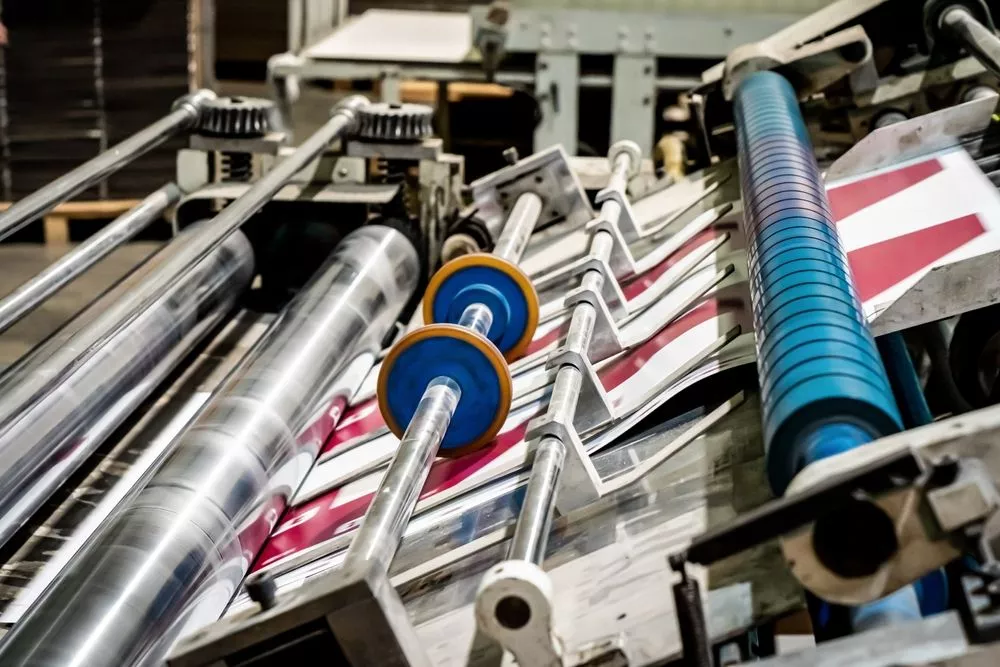

As brands and consumers alike place greater emphasis on eco-friendly practices, the packaging industry is experiencing a shift toward more natural, earthy aesthetics. Trends in earth-toned color palettes are influencing not just the look and feel of packaging, but also perceptions of sustainability and authenticity. These color schemes—rooted in the hues of soil, stone, wood, and foliage—are now central to conveying environmental responsibility and aligning with the values of modern shoppers.
In this article, we’ll explore how these muted, nature-inspired tones are shaping packaging design, why they resonate with eco-conscious audiences, and how businesses can effectively implement them. For those interested in the technical side of sustainable packaging, understanding what is digital prototyping for packaging can further streamline the process of bringing these color concepts to life.
Why Earth-Toned Palettes Are Dominating Sustainable Packaging
The growing popularity of earth-inspired color palettes in packaging is no accident. These tones—think clay reds, moss greens, sandy beiges, and slate grays—evoke a sense of calm, simplicity, and connection to the environment. For brands aiming to communicate their commitment to sustainability, such palettes offer a visual shorthand for naturalness and minimalism.
Research shows that consumers often associate muted, organic colors with eco-friendly practices. This perception is reinforced by the use of recycled materials, uncoated papers, and minimalist design elements. When paired with responsible sourcing and production methods, earth-toned packaging can reinforce a brand’s environmental messaging and help products stand out on crowded shelves.
For those seeking to deepen their commitment to sustainability, the guide to eco-certified paper sources for printing provides valuable insights into sourcing materials that align with these visual trends.
Key Trends in Earth-Toned Color Palettes for Modern Packaging
Several distinct directions are emerging within the broader movement toward nature-inspired packaging colors. Here are some of the most influential trends shaping the industry:
- Monochromatic Neutrals: Using a single earthy tone—such as taupe, sand, or olive—across the entire package creates a clean, understated look that emphasizes simplicity and sustainability.
- Layered Natural Contrasts: Combining different earth tones, like terracotta with sage or ochre with charcoal, adds depth and visual interest while maintaining a grounded, organic feel.
- Textured Effects: Incorporating subtle gradients, recycled fiber flecks, or raw paper textures enhances the tactile and visual connection to nature. For tips on achieving these effects, see the how to use gradients in digital packaging print resource.
- Minimalist Accents: Earthy backgrounds paired with a single pop of color—often a muted blue or soft yellow—can draw attention to key branding elements without overwhelming the natural aesthetic.
How Brands Are Using Earthy Tones to Signal Sustainability
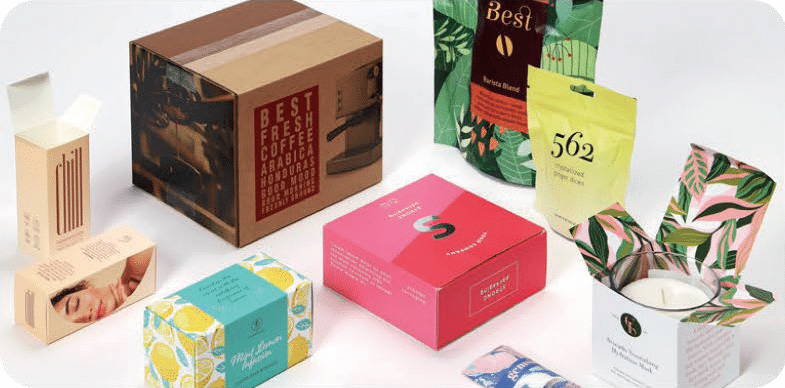
More companies are leveraging trends in earth-toned color palettes to communicate their environmental values. This approach is especially prevalent in industries such as food, beauty, and wellness, where authenticity and transparency are key to consumer trust.
For example, a skincare brand might use kraft paper packaging in warm beige, accented with deep green text, to evoke a sense of purity and natural ingredients. Food brands, meanwhile, often opt for clay reds and olive greens to suggest farm-to-table freshness and eco-friendly sourcing. Even luxury brands are adopting these palettes, pairing muted tones with minimalist gold or copper foiling for a premium yet grounded feel.
Packaging designers are also exploring the use of digital printing to achieve subtle color variations and textured effects that mimic natural materials. For a deeper dive into technological advancements in this area, the article on digital printing advancements in corrugated packaging offers valuable context.
Best Practices for Implementing Earth-Toned Palettes in Packaging Design
Adopting a nature-inspired color scheme involves more than simply picking a few muted shades. Here are some practical tips for brands and designers:
- Align Colors with Brand Values: Choose tones that reflect your product’s origin, ingredients, or mission. For example, a coffee brand might use rich browns and forest greens to evoke the growing regions of its beans.
- Consider Substrate and Print Method: The final appearance of earth tones can vary depending on the packaging material and printing process. Uncoated, recycled, or textured papers often enhance the organic feel of these palettes.
- Balance Simplicity and Distinctiveness: While minimalism is key, it’s important to ensure your packaging still stands out. Use contrast, negative space, and thoughtful typography to create visual interest.
- Test for Accessibility: Ensure that color choices provide sufficient contrast for readability and meet accessibility standards, especially for important text or regulatory information.
Brands looking to optimize color consistency across global supply chains may benefit from exploring the benefits of cloud-based color management for greater accuracy and efficiency.
Future Directions: The Evolution of Earth-Toned Packaging Colors
As sustainability becomes a baseline expectation, designers are pushing the boundaries of earth-inspired color palettes. Expect to see more experimentation with:
- Subtle Metallics: Integrating copper, bronze, or matte gold with earthy backgrounds for a touch of sophistication without sacrificing eco-credentials.
- Botanical Accents: Using plant-based inks or incorporating illustrations of leaves, roots, and flowers in complementary tones.
- Interactive Elements: Employing thermochromic inks or textures that change with touch or temperature, as explained in this guide to thermochromic ink.
Ultimately, the ongoing evolution of these palettes reflects a broader movement toward authenticity, transparency, and environmental stewardship in packaging design.
FAQ: Earth-Toned Color Palettes in Sustainable Packaging
Why do earth-toned colors appeal to eco-conscious consumers?
Earthy hues are closely associated with nature, simplicity, and authenticity. For many shoppers, these colors signal a brand’s commitment to sustainability and responsible sourcing, making them more likely to trust and choose such products.
How can brands ensure their earth-toned packaging stands out?
While muted palettes are inherently subtle, brands can create distinction by layering tones, using unique textures, and incorporating minimalist accents or metallic details. Strategic use of typography and negative space also helps packaging remain eye-catching.
Are earth-toned palettes suitable for all types of products?
These color schemes work especially well for products with a natural, organic, or artisanal positioning—such as food, beverages, cosmetics, and wellness items. However, with thoughtful design, they can be adapted to a wide range of industries seeking to emphasize sustainability.