
Thermochromic ink is transforming the world of packaging, printing, and product design by introducing dynamic visual effects that respond to temperature changes. This innovative material enables packaging to change color or reveal hidden messages when exposed to heat or cold, offering both functional and creative benefits. Brands are increasingly turning to temperature-sensitive solutions to enhance consumer engagement, improve safety, and differentiate their products on crowded shelves.
Understanding how these inks work, their applications, and their limitations is essential for anyone involved in packaging design, product development, or marketing. In this guide, we’ll explore the science behind thermochromic technology, its practical uses, and what to consider when integrating it into packaging projects.
For those interested in leveraging the latest advancements in packaging, learning about what is digital prototyping for packaging can help speed up production and testing of innovative print effects like thermochromic inks.
How Thermochromic Inks Work
At the core of temperature-sensitive inks are special pigments or dyes that react to changes in heat. These pigments are typically microencapsulated, meaning they are enclosed in tiny capsules that protect them and allow for controlled color transitions. When the temperature crosses a certain threshold, the chemical structure of the pigment changes, causing it to absorb or reflect light differently. This results in a visible color shift or the appearance/disappearance of printed elements.
There are two main types of thermochromic inks:
- Reversible thermochromic inks: These change color with temperature fluctuations and revert back once the temperature returns to normal. They are ideal for interactive packaging or reusable products.
- Irreversible thermochromic inks: These change color permanently after a specific temperature is reached, often used for tamper-evidence or safety indicators.
The temperature range for activation can be customized, with common thresholds set around body temperature (31°C/88°F), refrigerator temperature (15°C/59°F), or even higher for industrial uses.
Applications in Modern Packaging
Thermochromic technology is widely used across various industries, from food and beverages to pharmaceuticals and promotional products. Here are some of the most common applications:
- Freshness and temperature indicators: Beverage cans, dairy products, and frozen foods often use these inks to show when a product is at the ideal temperature for consumption.
- Interactive and promotional packaging: Brands use color-changing graphics to engage customers, reveal hidden messages, or create memorable unboxing experiences.
- Safety and tamper-evidence: Some pharmaceutical and chemical packaging uses irreversible thermochromic features to indicate if a product has been exposed to unsafe temperatures.
- Children’s products and toys: Books, stickers, and toys often incorporate these inks for playful effects that delight kids and parents alike.
Benefits of Using Thermochromic Inks in Packaging
Integrating thermochromic effects into packaging offers several advantages for both brands and consumers:
- Enhanced consumer engagement: Interactive packaging stands out on shelves and encourages customers to interact with the product, increasing brand recall.
- Improved safety and quality assurance: Temperature indicators help ensure products are stored and consumed safely, reducing the risk of spoilage or misuse.
- Brand differentiation: Unique visual effects set products apart in competitive markets, making them more memorable and appealing.
- Educational and functional value: For products like pharmaceuticals or perishables, these inks can provide important information about product integrity.
As packaging trends evolve, brands are also exploring other innovative print effects. For instance, learning how to use gradients in digital packaging print can further enhance visual appeal alongside thermochromic features.
Printing Processes and Compatibility
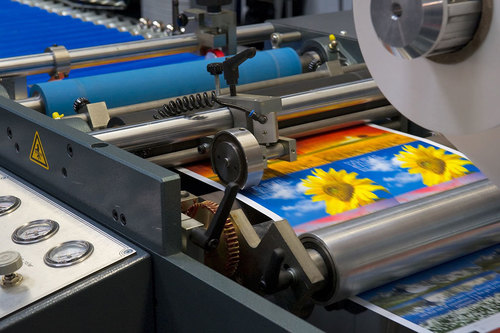
Thermochromic inks can be applied using various printing methods, including flexography, screen printing, gravure, and offset. However, there are some important considerations:
- Substrate compatibility: These inks work best on non-porous surfaces like plastics, coated papers, and certain films. Porous materials may absorb the ink, reducing its effectiveness.
- Curing and drying: Excessive heat during curing can prematurely activate or damage the ink. It’s crucial to follow manufacturer guidelines for drying and handling.
- Overprinting and lamination: Protective coatings or laminates should be tested for compatibility, as they can affect the ink’s responsiveness.
Limitations and Considerations
While temperature-reactive inks offer many benefits, there are some challenges to keep in mind:
- Durability: Prolonged exposure to UV light, moisture, or abrasion can degrade the ink’s performance over time.
- Cost: These specialty inks are typically more expensive than standard inks, which may impact project budgets.
- Color range: The available palette is more limited than conventional inks, and color vibrancy may vary depending on the application.
- Regulatory compliance: For food or pharmaceutical packaging, it’s essential to ensure the inks meet safety standards and do not migrate into the product.
Brands seeking sustainable solutions should also consider materials and sourcing. For more on eco-friendly options, see the guide to eco-certified paper sources for printing.
Future Trends in Temperature-Sensitive Packaging
The future of thermochromic packaging is closely tied to advancements in smart packaging and interactive print technologies. As consumer expectations shift toward personalized and functional packaging, brands are exploring new ways to integrate temperature-sensitive features with digital elements, such as QR codes or augmented reality.
According to industry experts, the next few years will see increased adoption of intelligent packaging solutions that combine visual indicators with data tracking and authentication. For a deeper look at where the industry is headed, read about the future of print and packaging in 2026.
Additionally, cloud-based color management and digital prototyping are making it easier for brands to test and implement innovative effects. Learn more about the benefits of cloud-based color management for global brands.
FAQ: Thermochromic Ink and Packaging
How long do thermochromic inks last on packaging?
Most thermochromic inks are designed to last for the expected shelf life of the product, typically ranging from several months to a few years. However, exposure to sunlight, heat, and moisture can reduce their effectiveness. Proper storage and handling are essential to maintain their color-changing properties.
Are thermochromic inks safe for food packaging?
Many temperature-sensitive inks are formulated to be safe for indirect food contact, but not all are suitable for direct contact. Always consult with ink suppliers and ensure compliance with relevant food safety regulations before using these inks on edible products or packaging that touches food directly.
Can thermochromic inks be recycled?
Recycling compatibility depends on the substrate and the amount of ink used. In most cases, the small quantities of thermochromic ink present on packaging do not interfere with standard recycling processes. However, it’s important to check local recycling guidelines and consider the overall environmental impact of specialty inks.
What are some alternatives to thermochromic inks for interactive packaging?
Other interactive print effects include photochromic inks (which react to UV light), scratch-off coatings, holographic foils, and digital print enhancements. Each offers unique ways to engage consumers and add value to packaging designs.
Conclusion
Thermochromic inks offer a compelling way to make packaging more interactive, informative, and memorable. By understanding how these inks work, their applications, and their limitations, brands can make informed decisions about incorporating temperature-sensitive features into their products. As technology continues to evolve, expect to see even more creative uses of this dynamic print effect in the years ahead.