Storytelling in marketing and packaging has entered a new era, driven by the integration of QR codes and digital links. Brands are no longer limited to static messages; they now have the tools to create interactive, dynamic experiences that connect physical products to the digital world. As consumer expectations shift toward more engaging and informative content, companies are leveraging these technologies to deliver rich narratives, foster brand loyalty, and provide real-time value.
By embedding scannable codes on packaging, print ads, and even in-store displays, organizations can guide customers to videos, product stories, sustainability information, and exclusive offers. This evolution in communication is not just a trend—it’s rapidly becoming a standard for brands aiming to stand out and build deeper relationships with their audience.

For those interested in the technical side of packaging innovation, learning about what is digital prototyping for packaging can provide valuable context on how these digital elements are tested and refined before reaching consumers.
How QR Codes Are Shaping Modern Brand Narratives
The adoption of QR codes in storytelling is transforming how brands communicate their values and product information. Unlike traditional print, which is static and limited by space, QR-enabled packaging can deliver a wealth of content instantly. This includes:
- Behind-the-scenes videos and interviews with product creators
- Interactive guides or tutorials for product use
- Real-time promotions and loyalty programs
- Traceability data for ingredients or sourcing
- Personalized experiences based on user location or preferences
These applications not only enhance the consumer journey but also provide brands with valuable analytics on engagement and behavior. As a result, companies can refine their messaging and offerings based on real-world feedback.
Emerging Approaches to Interactive Packaging
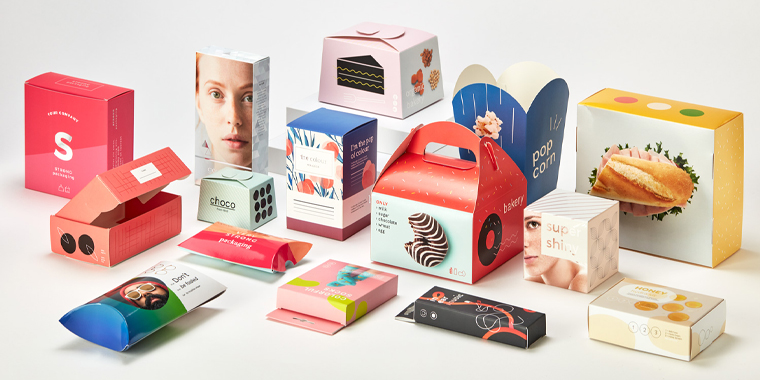
One of the most notable trends in storytelling through QR codes is the move toward interactive packaging. Brands are designing boxes, labels, and wraps that invite consumers to scan and explore. This approach is especially popular in industries such as food and beverage, cosmetics, and electronics, where product differentiation is crucial.
Some innovative strategies include:
- Gamification: QR codes that unlock games or challenges tied to the brand story
- Augmented Reality (AR): Scannable codes that launch AR experiences, letting users visualize products in their own environment
- Story-driven campaigns: Serialized content delivered through codes on different product batches, encouraging repeat purchases
- Transparency and sustainability: Codes that reveal sourcing, environmental impact, or recycling instructions
These approaches not only engage consumers but also support broader marketing and sustainability goals. For brands focused on eco-friendly solutions, exploring innovations in plant-based resins for packaging can complement digital storytelling by aligning with consumer values.
Digital Links: Expanding the Story Beyond Packaging
While QR codes are the most visible tool, digital links—such as short URLs and NFC tags—are also being used to extend stories beyond the physical product. These technologies allow brands to:
- Direct users to mobile-optimized landing pages with rich media
- Offer downloadable content, such as recipes or e-books
- Connect to live chat or customer support for immediate assistance
- Enable social sharing to amplify campaigns organically
By integrating these elements, companies can build a seamless bridge between offline and online experiences. This is particularly effective for limited-time campaigns, product launches, or educational initiatives.
For a deeper look at how digital printing is shaping the future of packaging, see this comprehensive overview of digital printing trends in packaging.
Best Practices for Effective QR Code Storytelling
To maximize the impact of storytelling with QR codes and digital links, brands should follow a few key guidelines:
- Ensure accessibility: Use high-contrast codes and provide alternative text for visually impaired users.
- Test for reliability: Make sure codes scan easily on a variety of devices and lighting conditions.
- Keep content mobile-friendly: Most users will access linked content on smartphones, so optimize for small screens and fast loading.
- Update content regularly: Use dynamic QR codes that can be updated without reprinting packaging, allowing for fresh campaigns and information.
- Measure engagement: Track scans, time spent, and user actions to refine future campaigns.
Brands that embrace these best practices can create more meaningful, memorable interactions with their customers.
Challenges and Considerations in Digital Storytelling
While the benefits are clear, there are also challenges to consider. Not all consumers are familiar with scanning QR codes, and some may have privacy concerns about tracking. Additionally, poorly executed campaigns—such as broken links or irrelevant content—can damage trust.
To overcome these hurdles, companies should:
- Educate users with clear instructions and visible prompts
- Be transparent about data collection and privacy policies
- Test all digital experiences thoroughly before launch
- Integrate codes in a way that complements, rather than clutters, the packaging design
For those interested in sustainable design, learning how to design for easy disassembly and recycling can further enhance the value of digital storytelling by supporting environmental goals.
Future Directions for QR-Driven Narratives
The evolution of trends in storytelling through QR codes is far from over. As technology advances, we can expect to see:
- Integration with artificial intelligence for personalized content delivery
- Greater use of AR and VR to create immersive brand experiences
- Expansion into new sectors, such as healthcare, education, and public services
- Deeper analytics for real-time campaign optimization
Ultimately, the fusion of physical and digital storytelling will continue to shape how brands engage with their audiences, making every product interaction an opportunity for connection and discovery.
FAQ
How do QR codes enhance storytelling on packaging?
QR codes allow brands to deliver interactive and multimedia content directly to consumers. By scanning a code, users can access videos, product origins, usage tips, and more, making the story behind the product richer and more engaging than traditional print alone.
What industries benefit most from digital storytelling with QR codes?
Industries such as food and beverage, cosmetics, electronics, and retail are leading adopters. These sectors use QR codes to provide transparency, instructions, promotions, and immersive experiences that differentiate their products on crowded shelves.
Are there privacy concerns with QR code campaigns?
Some consumers may be wary of tracking or data collection when scanning QR codes. Brands should be transparent about what data is collected, provide clear privacy policies, and ensure that any information gathered is used responsibly and securely.