As sustainability becomes a top priority in packaging and print, brands and designers are rethinking how products are made, used, and disposed of. How to design for easy disassembly and recycling is now a crucial question for anyone involved in print production, packaging, or product development. By focusing on materials, construction, and labeling, it’s possible to create printed items that are not only visually appealing but also environmentally responsible. This guide explores practical strategies, industry trends, and actionable steps to help you make informed decisions that support a circular economy.
Before diving into specific techniques, it’s helpful to understand the broader context of sustainable print design. For those interested in streamlining packaging development, learning about what is digital prototyping for packaging can provide valuable insights into rapid iteration and eco-friendly solutions.

Understanding Disassembly and Recycling in Print
Designing for disassembly means creating products or packaging that can be easily taken apart at the end of their life cycle. This approach allows for the separation of different materials, making recycling more efficient and reducing contamination in the waste stream. In print, this often involves considering adhesives, coatings, inks, and the way components are joined together.
Recycling, on the other hand, is the process of converting waste materials into new products. For printed materials, this typically means paper, cardboard, or certain plastics. The easier it is to separate and sort these materials, the higher the likelihood they will be properly recycled.
Key Principles for Sustainable Print Design
To make print products more recyclable and easier to disassemble, consider these core principles:
- Material Simplicity: Use as few material types as possible. Single-material designs are easier to recycle than multi-material composites.
- Easy Separation: Ensure that any components joined together can be separated without special tools or excessive effort.
- Clear Labeling: Mark materials and provide instructions for disassembly or recycling where appropriate.
- Minimize Contaminants: Avoid using coatings, laminates, or adhesives that hinder recycling or require complex removal.
- Design for Local Systems: Consider the recycling capabilities of your target market. Not all regions can process the same materials.
Material Choices That Support End-of-Life Recovery
Material selection is foundational for designing for disassembly and recycling. Here are some best practices:
- Choose Monomaterials: Whenever possible, use a single material for the entire product or package. For example, a paperboard box without plastic windows is more easily recycled.
- Opt for Recyclable Substrates: Select papers, boards, and plastics that are widely accepted by recycling programs. Avoid composite materials that are difficult to separate.
- Limit Use of Inks and Coatings: Use water-based or de-inkable inks, and avoid heavy varnishes or laminates that complicate recycling.
- Consider Biodegradable Options: Where recycling is not feasible, look into compostable or biodegradable materials, but ensure they are certified and suitable for local waste streams.
Construction Techniques for Disassembly
How you assemble printed products and packaging has a direct impact on their recyclability. Consider these approaches:
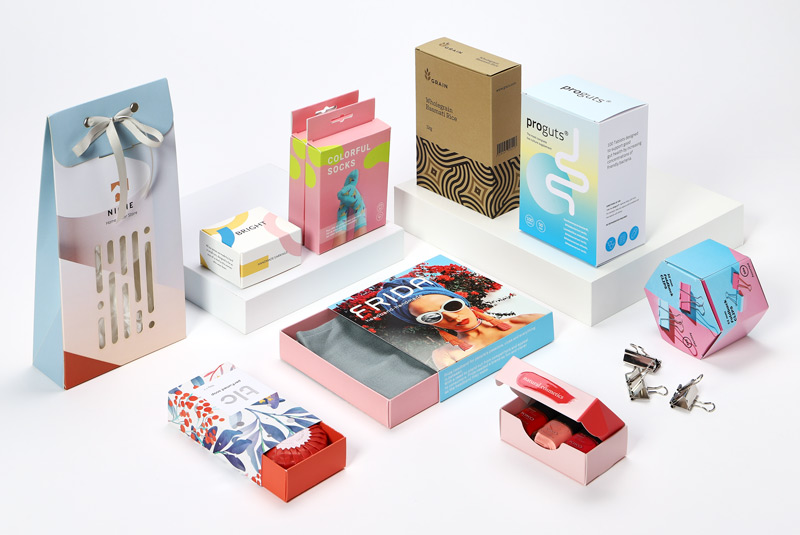
- Mechanical Fastening: Use tabs, slots, or folding techniques instead of glue or staples. This allows users to open and flatten packaging without tearing or leaving residue.
- Removable Adhesives: If adhesives are necessary, choose those that are water-soluble or designed to release easily during recycling processes.
- Minimal Use of Non-Recyclable Elements: Avoid adding metal, plastic, or other non-paper components unless they can be easily separated.
- Clear Separation Points: Design seams or perforations that guide users in taking apart the product for recycling.
Labeling and User Guidance
Even the best-designed product can end up in landfill if users don’t know how to recycle it. Effective labeling and instructions are essential:
- Recycling Symbols: Use standardized recycling symbols and codes to indicate material types.
- Disassembly Instructions: Provide simple, clear directions for taking apart packaging or products.
- Localized Guidance: Where possible, tailor instructions to the recycling infrastructure of your primary markets.
For brands operating internationally, understanding the guide to regulatory compliance in packaging graphics is crucial to ensure your labeling meets legal requirements and supports proper recycling.

Innovations and Industry Trends
The print and packaging industries are rapidly evolving to support sustainability. Digital printing, flexible packaging, and new material technologies are making it easier to create recyclable and easily disassembled products. For example, the expansion of flexible packaging and digital printing is enabling shorter runs, less waste, and more customization, all while supporting eco-friendly goals.
Other innovations include:
- Water-based adhesives and inks that simplify recycling and reduce environmental impact.
- Smart labeling that uses QR codes or digital watermarks to provide recycling information.
- Modular packaging designs that can be reused or easily separated into recyclable parts.
Staying informed about new developments, such as innovations in moisture-resistant paper coatings, can help brands and designers make better choices for the environment.
Practical Steps for Print Designers and Brands
To put these principles into action, consider the following workflow:
- Audit Your Current Designs: Identify materials, adhesives, and construction methods that hinder recycling or disassembly.
- Collaborate with Suppliers: Work with printers and material suppliers to source recyclable substrates and eco-friendly inks.
- Prototype and Test: Use digital prototyping to experiment with new designs and get feedback on ease of disassembly.
- Educate Your Team: Train designers, marketers, and production staff on sustainable design principles.
- Engage Consumers: Communicate the benefits of your eco-friendly packaging and provide clear instructions for recycling.
Common Challenges and How to Overcome Them
While the benefits of designing for disassembly and recycling are clear, there are obstacles to be aware of:
- Cost Concerns: Sustainable materials and processes can be more expensive upfront. However, they often lead to long-term savings and brand value.
- Supply Chain Limitations: Not all regions have access to the same recycling or composting infrastructure. Research local capabilities before finalizing designs.
- Performance Trade-Offs: Some eco-friendly materials may have different properties than traditional ones. Test thoroughly to ensure quality and durability.
- Consumer Behavior: Even the best designs require user participation. Invest in education and clear communication to drive recycling rates.
FAQ
What are the main benefits of designing print products for disassembly and recycling?
The primary advantages include reducing landfill waste, conserving resources, and supporting a circular economy. Products that are easy to take apart and recycle help lower environmental impact and can enhance brand reputation among eco-conscious consumers.
How can I tell if my printed packaging is recyclable?
Check the materials used and look for recycling symbols or codes. Single-material items, such as uncoated paperboard, are typically recyclable. If your packaging contains mixed materials, ensure they can be easily separated. Consult local recycling guidelines for specifics.
Are there industry standards or certifications for recyclable print design?
Yes, several certifications exist, such as FSC for responsibly sourced paper and the Mobius Loop for recyclability. It’s also important to stay updated on regional regulations and standards, which may affect labeling and material choices.
Conclusion
Adopting strategies for how to design for easy disassembly and recycling in print is not just about compliance—it’s about future-proofing your brand and contributing to a healthier planet. By prioritizing material simplicity, smart construction, and clear communication, designers and brands can create print products that are both functional and sustainable. As the industry continues to innovate, staying informed and proactive will ensure your designs meet both consumer expectations and environmental goals.