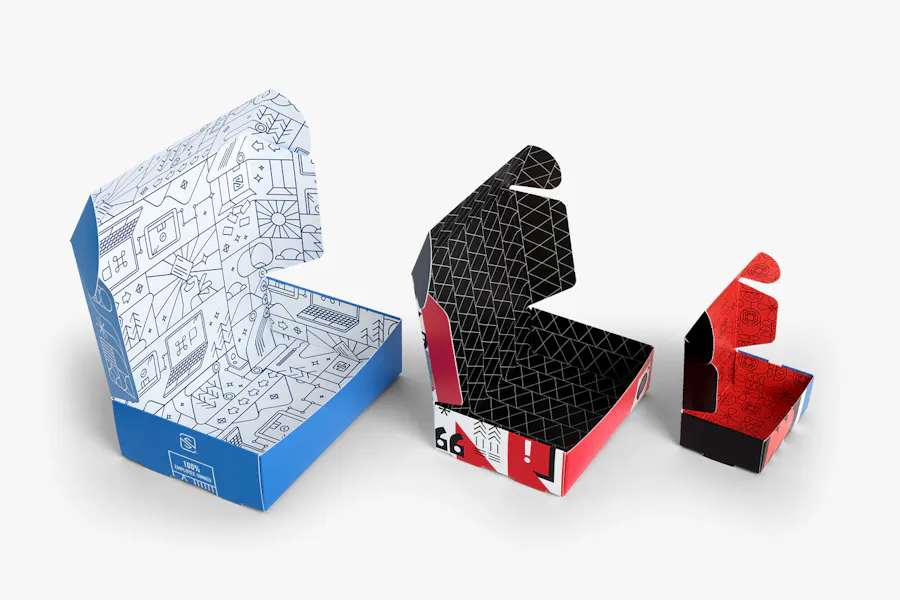

As packaging requirements evolve, the demand for innovations in moisture-resistant paper coatings continues to grow. Businesses are seeking new ways to protect products from humidity, spills, and environmental exposure while maintaining sustainability and print quality. Recent advancements in this field are reshaping how brands approach packaging, offering enhanced durability, eco-friendliness, and performance for a wide range of applications.
Understanding the latest developments in protective coatings is essential for anyone involved in packaging design, production, or procurement. These advancements are not only about keeping contents safe—they also address regulatory, environmental, and branding needs. For those interested in related topics, exploring what is digital prototyping for packaging can provide further insight into how modern packaging solutions are developed and tested.
Why Moisture Resistance Matters in Modern Packaging
Moisture can compromise the structural integrity and appearance of paper-based packaging. From food to electronics, exposure to water or high humidity can lead to product spoilage, reduced shelf life, and damaged branding. As a result, the packaging industry is investing heavily in moisture-repellent coating technologies that balance protection with sustainability and cost-effectiveness.
Traditional wax and plastic film coatings have been widely used, but they pose challenges for recycling and environmental impact. The shift toward biodegradable, compostable, and recyclable coatings is driving innovation and changing industry standards.
Key Developments in Moisture-Resistant Coating Technologies
Recent years have seen a surge in new materials and application methods designed to improve the water resistance of paper packaging. Some of the most significant advancements include:
- Biopolymer Coatings: Derived from renewable resources like corn starch, cellulose, and chitosan, these coatings offer moisture protection while remaining compostable and biodegradable.
- Aqueous Barrier Coatings: Water-based solutions that form a protective layer, providing resistance to water and grease without relying on plastics or waxes.
- Hybrid Solutions: Combining natural and synthetic polymers, these coatings achieve the desired barrier properties while improving recyclability and reducing environmental impact.
- Nanotechnology: Nano-scale additives and treatments enhance the water resistance of paper fibers, often with minimal impact on recyclability or printability.
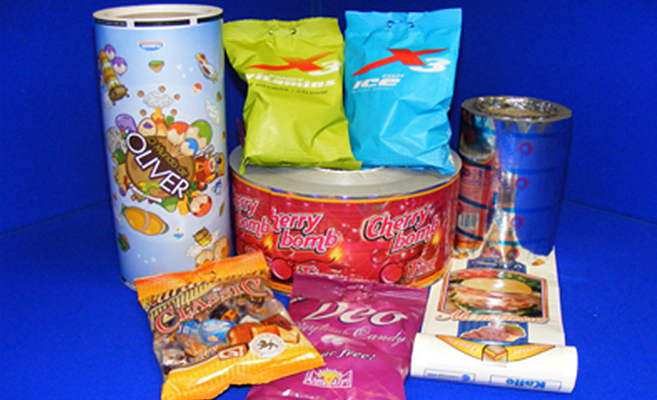
Benefits of Advanced Moisture-Repellent Solutions
Integrating the latest moisture-resistant paper coating innovations offers several advantages for manufacturers and brands:
- Extended Product Freshness: Improved barriers help maintain food quality and prevent spoilage.
- Enhanced Print Quality: Modern coatings are designed to work seamlessly with advanced printing techniques, supporting vibrant graphics and branding.
- Greater Sustainability: Many new coatings are compostable or recyclable, aligning with consumer and regulatory demands for greener packaging.
- Cost Efficiency: As new materials become more widely adopted, costs are decreasing, making high-performance coatings accessible to more businesses.
For brands looking to stay ahead, understanding the benefits of cloud-based color management can further enhance print consistency and quality across global packaging operations.
Challenges in Adopting New Coating Technologies
Despite the clear advantages, there are hurdles to widespread adoption of next-generation moisture barriers. Key challenges include:
- Compatibility with Existing Equipment: Some coatings require new application technologies or adjustments to current production lines.
- Cost Considerations: While prices are falling, some advanced coatings still carry a premium compared to traditional options.
- Performance Trade-Offs: Achieving the right balance between water resistance, recyclability, and printability can be complex.
- Regulatory Compliance: New materials must meet food safety and environmental standards in various markets.
Manufacturers are working closely with chemical suppliers and research institutions to overcome these barriers, ensuring that new solutions are practical and scalable.
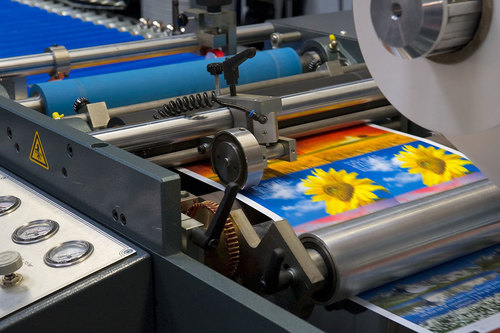
Emerging Trends and the Future of Packaging Barriers
The future of moisture-resistant packaging coatings is being shaped by several key trends:
- Increased Use of Renewable Materials: The industry is moving toward coatings derived from plants and other renewable sources, reducing reliance on fossil fuels.
- Smart Coatings: Some new products incorporate indicators that change color when exposed to moisture, providing a visual cue for package integrity.
- Customization and Digital Integration: Advances in digital printing and coating application allow for tailored barrier properties and branding on demand. For more on this, see the what is electron beam curing in printing article, which explores how new curing methods are impacting packaging.
- Global Collaboration: Partnerships between packaging companies, material scientists, and regulatory bodies are accelerating the adoption of sustainable solutions worldwide.
Looking ahead, the packaging industry is expected to see even more rapid changes as consumer preferences, environmental regulations, and technological capabilities evolve. For a broader perspective, the future of print and packaging article provides insights into where the sector is heading by 2026 and beyond.
Applications Across Industries
Moisture-resistant coatings are being adopted in a variety of sectors, each with unique requirements:
- Food and Beverage: Ensuring freshness, preventing leaks, and complying with food safety standards.
- Cosmetics and Personal Care: Protecting sensitive products from humidity and contamination.
- Electronics: Safeguarding devices and components during shipping and storage.
- Retail and E-Commerce: Enhancing the unboxing experience and reducing returns due to damaged goods.
As these coatings become more versatile, they are enabling brands to offer better protection and presentation across a wide range of packaging formats.
How to Choose the Right Moisture-Resistant Coating
Selecting the best coating for your packaging depends on several factors:
- Product Sensitivity: Consider how much moisture protection is needed based on the product’s vulnerability.
- End-of-Life Requirements: Decide whether recyclability, compostability, or biodegradability is a priority.
- Printing Needs: Ensure the coating supports the desired print quality and finishing techniques.
- Cost and Scale: Balance performance with budget and production volume requirements.
Consulting with suppliers and staying informed about the latest innovations in moisture-resistant paper coatings will help you make the most effective choice for your business. For those working with specialty substrates, learning about how to print on thin-gauge films can provide additional technical guidance.
FAQ
What are the main types of moisture-resistant coatings used in packaging today?
The most common types include biopolymer-based coatings, aqueous barrier coatings, hybrid polymer solutions, and nanotechnology-enhanced treatments. Each offers different balances of water resistance, sustainability, and printability.
Are moisture-resistant coatings recyclable or compostable?
Many modern coatings are designed to be recyclable or compostable, especially those based on biopolymers or water-based solutions. However, recyclability depends on local facilities and the specific formulation used.
How do these coatings impact the printing process?
Advanced coatings are engineered to support high-quality printing, allowing for vibrant colors and sharp graphics. It’s important to test compatibility with inks and finishing processes to ensure optimal results.
What industries benefit most from these innovations?
Food and beverage, cosmetics, electronics, and e-commerce sectors are among the primary beneficiaries, as they require packaging that can withstand moisture while maintaining product integrity and brand presentation.