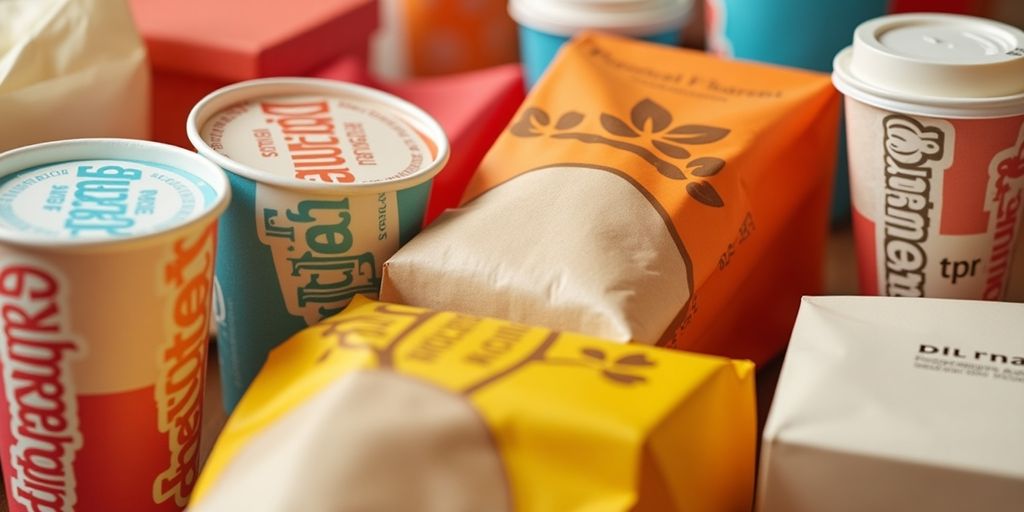

Tactile printing is transforming how brands connect with customers, especially during the crucial unboxing moment. By adding raised textures and physical sensations to packaging, this technique creates a memorable, multi-sensory experience that goes far beyond traditional visual design. As competition intensifies in e-commerce and retail, businesses are seeking new ways to stand out and leave a lasting impression. Tactile effects are quickly becoming a preferred solution for delivering both luxury and accessibility in packaging.
Understanding the fundamentals of tactile printing, its applications, and its impact on consumer perception is essential for brands aiming to elevate their packaging strategies. This article explores the core concepts, production methods, and real-world benefits of tactile finishes, helping you decide if this innovative approach is right for your next project.
For those interested in the intersection of packaging innovation and production speed, you may also want to learn about what is digital prototyping for packaging and how it accelerates the design-to-market process.
Understanding Tactile Printing and Its Core Principles
At its essence, tactile printing refers to the process of adding raised or textured elements to a printed surface. Unlike standard flat printing, tactile techniques create a physical sensation that can be felt by touch. This approach is commonly used in packaging, labels, business cards, and marketing materials to enhance engagement and accessibility.
There are several methods for achieving tactile effects, including:
- Embossing and Debossing: Pressing a design into the substrate to create raised (embossed) or recessed (debossed) areas.
- Spot UV Coating: Applying a glossy, raised layer to specific parts of the design for both visual and tactile contrast.
- Textured Varnishes and Inks: Using specialty coatings or thick inks to build up texture on the surface.
- Digital Tactile Printing: Advanced digital presses can deposit layers of clear ink or varnish to create custom textures with precision.
Each method offers distinct advantages in terms of cost, detail, and production speed. The choice depends on the desired effect, substrate, and project scale.
Why Brands Are Investing in Tactile Packaging
In today’s crowded marketplace, brands are constantly searching for ways to differentiate their products. Tactile finishes provide a unique opportunity to engage consumers’ sense of touch, which is often overlooked in packaging design. This can lead to several key benefits:
- Enhanced Brand Perception: Textured packaging is often associated with premium quality and attention to detail.
- Memorable Unboxing Experiences: The physical sensation of a raised logo or pattern can make the act of opening a product more enjoyable and memorable.
- Accessibility: Tactile elements can assist visually impaired users by providing Braille or other touchable cues.
- Increased Engagement: Studies show that multi-sensory packaging can boost consumer interest and recall.
For brands seeking to make a lasting impression, tactile printing offers a practical and effective solution that goes beyond aesthetics.

Production Techniques for Tactile Effects
The process of adding tactile finishes to packaging or print materials can vary depending on the desired outcome and production method. Here’s a closer look at the most common techniques:
Embossing and Debossing
These classic methods use a metal die and counter-die to press the substrate, creating raised or recessed areas. Embossing is popular for logos, patterns, and text, providing a luxurious feel. Debossing, on the other hand, creates an indented effect that can be subtle yet sophisticated.
Spot UV and Raised Coatings
Spot UV involves applying a glossy, raised varnish to targeted areas, such as logos or graphics. This not only adds shine but also a tactile bump that draws attention. Newer digital presses can build up multiple layers of clear ink, achieving even more pronounced textures and intricate patterns.
Textured Inks and Varnishes
Specialty inks and varnishes can be formulated to dry with a gritty, sandy, or rubbery feel. These are often used for grip-enhancing areas or to mimic natural materials like leather or wood.
Digital Tactile Printing
Advancements in digital print technology now allow for precise, customizable tactile effects without the need for expensive dies or lengthy setup times. This is especially useful for short runs, variable data, or prototyping new packaging concepts. For more on rapid packaging innovation, see our article on digital prototyping for packaging.
Applications and Industries Leveraging Tactile Printing
While luxury packaging is a natural fit for tactile finishes, the technique is being adopted across a wide range of industries:
- Cosmetics and Beauty: High-end skincare and makeup brands use textured boxes and labels to convey elegance and quality.
- Food and Beverage: Premium spirits, chocolates, and specialty foods often feature embossed or spot UV details to attract attention on shelves.
- Pharmaceuticals: Tactile cues and Braille help ensure accessibility for visually impaired consumers.
- Consumer Electronics: Packaging for gadgets and accessories uses tactile elements to reinforce brand identity and perceived value.
- Retail and E-Commerce: Subscription boxes and direct-to-consumer brands use tactile printing to create share-worthy unboxing moments.
As tactile printing becomes more accessible, even small businesses can leverage these techniques to compete with larger brands and foster customer loyalty.
Trends and the Future of Tactile Packaging
The demand for multi-sensory packaging is expected to grow as consumers seek more engaging and personalized experiences. According to a recent industry report on the future of digital print for packaging, advancements in digital technology are making tactile effects more affordable and customizable than ever before.
Emerging trends include:
- Personalization: Digital presses allow for unique tactile designs on each package, supporting limited editions and targeted campaigns.
- Sustainability: Eco-friendly inks and coatings are being developed to reduce environmental impact while maintaining tactile quality.
- Integration with Other Effects: Combining tactile finishes with metallic foils, holographics, or vibrant colors for a multi-layered sensory experience.
For brands interested in exploring the intersection of art and packaging, check out insights on trends in abstract art on product boxes for creative inspiration.
Best Practices for Implementing Tactile Printing
To maximize the impact of tactile finishes, consider the following tips:
- Define Your Objectives: Decide whether the goal is to enhance luxury, improve accessibility, or boost brand recall.
- Choose the Right Substrate: Heavier paper stocks or specialty materials often yield better tactile results.
- Balance Design and Function: Ensure that tactile elements complement the overall design and don’t interfere with readability or usability.
- Test and Iterate: Request prototypes or samples to evaluate the feel and durability of different finishes.
- Consider Production Constraints: Some tactile techniques may require longer lead times or higher minimum order quantities.
For more technical challenges and solutions in specialty printing, see our article on how to print on thin-gauge films.
Frequently Asked Questions
How does tactile printing differ from standard printing techniques?
Standard printing produces flat images and text, while tactile methods add a physical, raised or textured effect that can be felt by touch. This provides an extra sensory dimension, making packaging more engaging and accessible.
Can tactile finishes be combined with other special effects?
Yes, tactile elements can be layered with foils, holographics, or vibrant inks to create a multi-sensory experience. Combining effects can enhance both the visual and tactile appeal of packaging.
Is tactile printing suitable for small production runs?
With advances in digital printing, it’s now possible to add tactile effects to short runs and prototypes without the need for expensive dies. This makes it accessible for startups, limited editions, and personalized packaging projects.
In summary, tactile printing offers brands a powerful tool to enhance packaging, foster emotional connections, and deliver memorable experiences. As technology evolves, expect to see even more creative and accessible applications in the world of print and packaging.