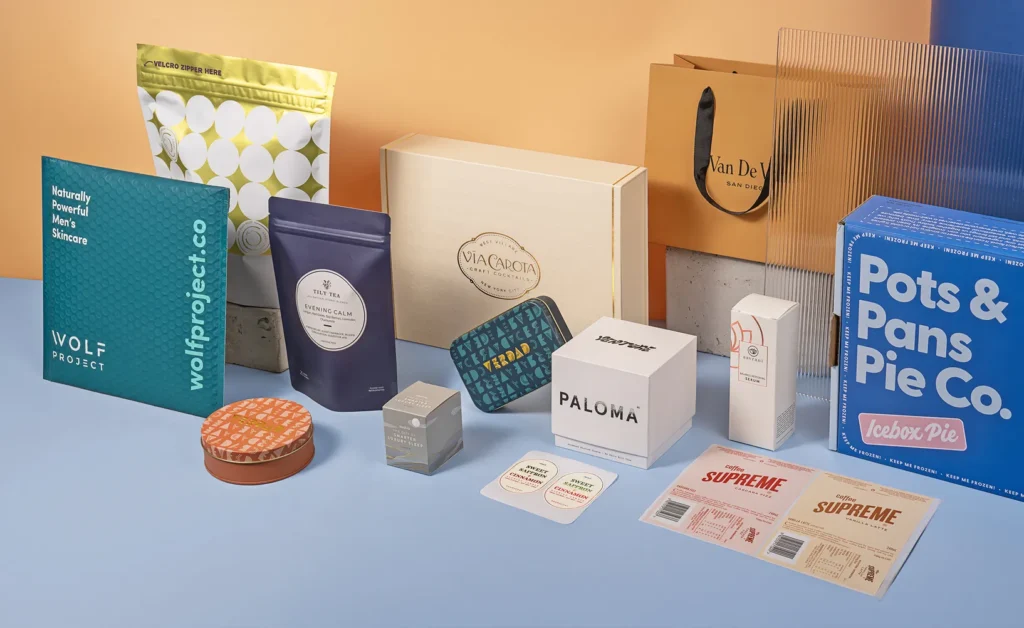

The packaging industry is witnessing a significant transformation as brands embrace trends in abstract art on product boxes and shipping containers. This shift is more than a visual update—it’s a strategic move to capture consumer attention, communicate brand values, and differentiate products in a crowded marketplace. Abstract art, with its bold colors, dynamic shapes, and expressive patterns, is now a popular choice for companies looking to stand out both on retail shelves and in the world of e-commerce.
As packaging design evolves, abstract visuals are being used to evoke emotion, create memorable unboxing experiences, and reflect the creativity of the brand. This article explores how abstract art is influencing packaging, the reasons behind its popularity, and what businesses should consider when adopting these design trends. For those interested in the technical side of packaging innovation, learning about what is digital prototyping for packaging can provide additional insights into how these designs are brought to life efficiently.
Why Abstract Art Is Gaining Popularity in Packaging
Modern consumers are drawn to packaging that feels fresh, creative, and unique. Abstract art delivers on all these fronts, offering endless possibilities for color, form, and composition. Unlike literal or representational graphics, abstract designs allow brands to express mood, energy, and personality without being tied to specific imagery. This flexibility is especially valuable for companies seeking to appeal to diverse audiences or launch limited-edition products.
Several factors are driving the adoption of abstract art in packaging:
- Emotional Connection: Abstract visuals can evoke feelings of excitement, curiosity, or calm, influencing how consumers perceive the product inside.
- Brand Differentiation: With so many products competing for attention, unique abstract patterns help brands carve out a distinct visual identity.
- Versatility: Abstract motifs work well across a range of packaging formats, from small retail boxes to large shipping containers.
- Trend Alignment: The rise of maximalism and bold design in packaging, as discussed in resources like trends in bold and maximalist packaging, supports the use of abstract art for brands looking to stay current.
Key Elements of Abstract Packaging Design
When examining the latest trends in abstract art on product boxes, several design elements stand out. These features not only make packaging visually appealing but also enhance its functionality and brand storytelling.
- Bold Color Palettes: Vivid hues and unexpected color combinations are a hallmark of abstract packaging. These choices grab attention and can be tailored to reflect seasonal campaigns or brand values.
- Dynamic Shapes and Patterns: Swirls, splashes, geometric forms, and organic lines create a sense of movement and energy, making the packaging feel lively and modern.
- Minimalist Meets Maximalist: Some brands opt for a minimalist approach with subtle abstract accents, while others go all-in with maximalist designs that cover the entire box or container.
- Texture and Finish: Matte, gloss, embossing, and specialty coatings can enhance abstract visuals, adding tactile interest and depth to the design.
These elements can be combined in countless ways, allowing each brand to create a signature look that resonates with its target audience.
How Abstract Art Impacts Brand Perception
Packaging is often the first physical touchpoint between a brand and its customers. Abstract art can make this initial interaction memorable and positive. When used thoughtfully, abstract designs can:
- Communicate innovation and creativity, positioning the brand as forward-thinking.
- Appeal to younger demographics who value individuality and artistic expression.
- Encourage social sharing, as visually striking packaging is more likely to be photographed and posted online.
- Support sustainability messaging by using abstract motifs inspired by nature or recycled materials.
Brands that successfully integrate abstract art into their packaging often see increased engagement and stronger emotional connections with their audience.
Abstract Art in Shipping Containers: Beyond the Retail Shelf
While much attention is given to retail packaging, shipping containers are also embracing abstract design. As e-commerce continues to grow, the unboxing experience has become a key part of the customer journey. Abstract visuals on shipping boxes can surprise and delight recipients, reinforcing brand identity even before the product is revealed.
Some companies use abstract patterns to signal premium quality or to differentiate between product lines. Others leverage these designs for limited-edition collaborations or seasonal promotions. The flexibility of abstract art means it can be adapted for both mass-produced and bespoke packaging solutions.
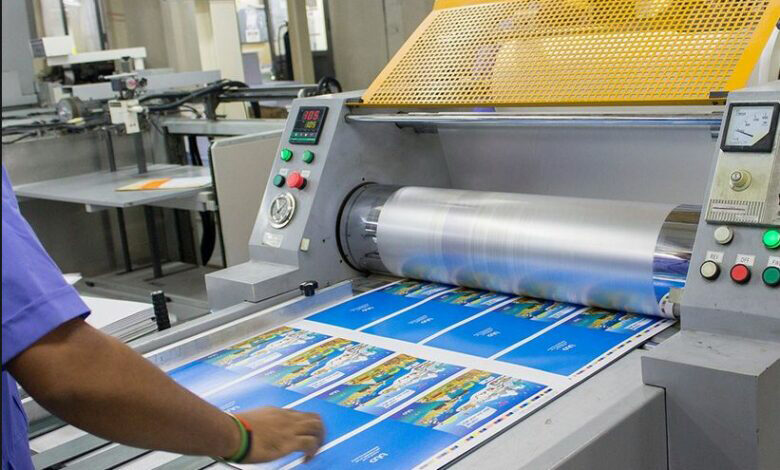
For brands exploring new printing technologies, resources like the future of digital printing in packaging provide valuable insights into how abstract designs can be efficiently produced at scale.

Best Practices for Incorporating Abstract Art in Packaging
To make the most of abstract design trends, brands should consider the following best practices:
- Align with Brand Values: Ensure that abstract visuals support the overall brand message and resonate with your target audience.
- Balance Creativity and Clarity: While abstract art is expressive, packaging should still communicate essential product information clearly.
- Test and Iterate: Use digital prototyping and consumer feedback to refine designs before large-scale production.
- Stay Consistent: Maintain a cohesive visual language across all packaging formats, from retail boxes to shipping containers.
- Consider Sustainability: Choose eco-friendly materials and printing methods to reinforce positive brand perception.
For global brands, managing color consistency across multiple markets is crucial. Exploring the benefits of cloud-based color management can help ensure that abstract designs look vibrant and accurate, no matter where the packaging is produced or shipped.
Frequently Asked Questions
What makes abstract art effective for product packaging?
Abstract art is effective because it captures attention, evokes emotion, and offers flexibility in design. Its non-literal nature allows brands to express personality and stand out, making products more memorable to consumers.
How do companies ensure consistency in abstract packaging designs across different products?
Brands achieve consistency by developing a set of visual guidelines, such as color palettes and pattern styles, and by using advanced color management tools. Digital prototyping and cloud-based color management also help maintain uniformity across various packaging formats.
Are abstract designs suitable for all types of products?
While abstract art is versatile, it works best for brands that want to project creativity, innovation, or a modern image. However, the approach can be tailored to suit a wide range of industries, from cosmetics to electronics, by adjusting colors, patterns, and finishes.
As the packaging landscape continues to evolve, embracing trends in abstract art on product boxes offers brands a powerful way to connect with consumers and differentiate themselves in a competitive market. By combining creativity with strategic thinking, companies can create packaging that not only protects products but also delights and inspires.