The landscape of packaging and logistics is changing rapidly as automation and artificial intelligence become more sophisticated. One of the most significant shifts is the integration of robotics with advanced print recognition technologies. This combination is transforming how products are sorted, packaged, and shipped, leading to greater efficiency, accuracy, and adaptability across industries. As businesses strive to meet growing consumer demands for speed and customization, understanding the future of robotic sorting and packaging print is essential for staying ahead.
From high-speed conveyor systems to intelligent vision sensors, the ability of machines to read, interpret, and act on printed information is revolutionizing supply chains. This article explores the latest advancements, practical applications, and what lies ahead for companies investing in automated print recognition for packaging. For those interested in the foundational technologies enabling these changes, learning about what is digital prototyping for packaging can provide valuable context on how rapid innovation is shaping the industry.

How Robotics and Print Recognition Are Changing Packaging Lines
Modern packaging lines are no longer limited to repetitive, pre-programmed tasks. With the integration of robotic sorting and advanced print recognition, these systems can now identify, sort, and package products based on real-time data printed on labels, barcodes, and even custom graphics. This shift is enabling:
- Increased accuracy: Robots equipped with high-resolution cameras and machine learning algorithms can detect and interpret even subtle differences in print, reducing errors in sorting and labeling.
- Greater flexibility: Automated systems can adapt to new packaging designs or product SKUs without extensive reprogramming, making it easier to handle short runs and personalized orders.
- Faster throughput: High-speed recognition and sorting allow for rapid processing, supporting just-in-time delivery and minimizing bottlenecks.
For brands operating globally, the ability to manage color consistency and print quality across locations is also crucial. Insights into the benefits of cloud-based color management can further enhance the effectiveness of automated packaging lines.
Key Technologies Driving the Evolution of Automated Packaging
The future of robotic sorting and packaging print is being shaped by several core technologies:
- Machine vision systems: These use advanced cameras and lighting to capture detailed images of packaging, enabling robots to read text, barcodes, QR codes, and even detect defects.
- Artificial intelligence (AI) and deep learning: AI algorithms train robots to recognize complex print patterns, adapt to new packaging formats, and improve accuracy over time.
- Edge computing: Processing data locally on the packaging line reduces latency, allowing for real-time decision-making and faster response to print recognition tasks.
- Collaborative robots (cobots): Designed to work safely alongside humans, cobots can handle delicate packaging, adjust to variable product flows, and support flexible manufacturing environments.
These technologies are not just theoretical—they are already being deployed in warehouses, distribution centers, and manufacturing plants around the world.
Emerging Trends in Robotic Print Recognition
Several trends are influencing how companies approach automated sorting and packaging:
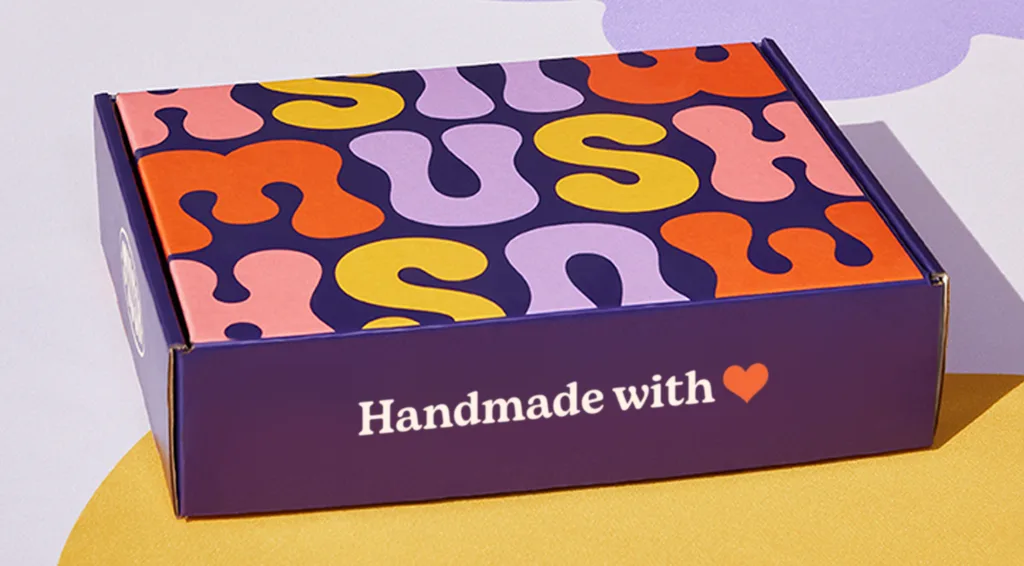
- Personalized packaging: As consumer demand for customization grows, robots must recognize and sort packages with unique prints, names, or promotional codes.
- Sustainability: Eco-friendly packaging materials and inks require robots to adapt recognition algorithms for new substrates and print finishes. For companies seeking to reduce their environmental impact, exploring tips for choosing sustainable substrates is increasingly relevant.
- Integration with digital printing: On-demand digital printing allows for rapid changes in packaging design, which robotic systems must quickly interpret and process.
- Smarter error detection: AI-driven systems can now flag misprints, missing labels, or incorrect barcodes before products leave the facility, minimizing costly recalls.
These trends are pushing the boundaries of what automated systems can achieve, making the future of robotic sorting and packaging print both dynamic and promising.
Real-World Applications and Industry Impact
Industries from food and beverage to pharmaceuticals and e-commerce are already seeing the benefits of automated print recognition. Some practical examples include:
- Order fulfillment centers: Robots read shipping labels and sort packages for last-mile delivery, reducing manual labor and speeding up processing times.
- Pharmaceutical packaging: Automated systems verify printed batch numbers and expiration dates, ensuring compliance and patient safety.
- Retail packaging lines: High-speed robots handle seasonal or promotional packaging with unique graphics, supporting marketing campaigns and product launches.
For a deeper look at how digital technologies are influencing packaging, the article on the future of digital packaging provides additional insights into where the industry is headed.
Challenges and Considerations for Adopting Automated Print Recognition
While the benefits are clear, there are also challenges to consider when implementing robotic print recognition:
- Initial investment: Upgrading equipment and integrating new technologies can require significant upfront costs.
- Data security: As systems become more connected, protecting sensitive information on packaging and labels is essential.
- Workforce adaptation: Employees need training to work alongside robots and manage exceptions or system errors.
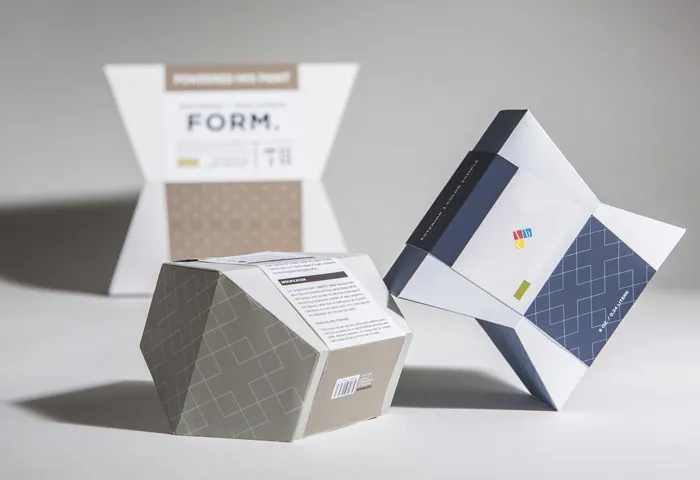
- Material variability: Different substrates, coatings, and print qualities can affect recognition accuracy, requiring ongoing calibration and testing.
Companies that address these challenges proactively will be better positioned to leverage the full potential of automated packaging solutions.
Looking Ahead: What’s Next for Automated Sorting and Print Technologies?
The next decade will likely see even greater integration of robotics, AI, and print recognition. Some anticipated developments include:
- Self-learning systems that continuously improve recognition accuracy through feedback loops and data analysis.
- Greater interoperability between packaging machines, warehouse management systems, and logistics platforms.
- Expanded use of smart packaging with embedded sensors and dynamic print elements that communicate directly with robots.
- Wider adoption in small and medium businesses as costs decrease and solutions become more accessible.
Staying informed about the latest trends, such as trends in bold and maximalist packaging, can help businesses anticipate changes in consumer preferences and packaging design that will impact automated systems.
FAQ: Robotic Sorting and Print Recognition in Packaging
How does print recognition improve packaging automation?
Print recognition enables robots to accurately read and interpret information on packaging, such as barcodes, QR codes, and custom graphics. This allows for precise sorting, labeling, and quality control, reducing errors and increasing efficiency on the packaging line.
What types of packaging can benefit from robotic sorting and print recognition?
Virtually any industry that relies on printed information for sorting or tracking can benefit, including e-commerce, pharmaceuticals, food and beverage, and retail. The technology adapts to a wide range of materials, shapes, and print types.
Are there sustainability benefits to using automated print recognition?
Yes, automated systems can help reduce waste by minimizing errors and enabling the use of sustainable substrates and inks. Robots can also quickly adapt to new eco-friendly packaging materials, supporting companies’ environmental goals.
As the future of robotic sorting and packaging print continues to evolve, businesses that embrace these technologies will gain a competitive edge in speed, accuracy, and adaptability. By staying informed and investing in the right solutions, companies can meet the demands of a rapidly changing market and deliver better experiences for customers and partners alike.