
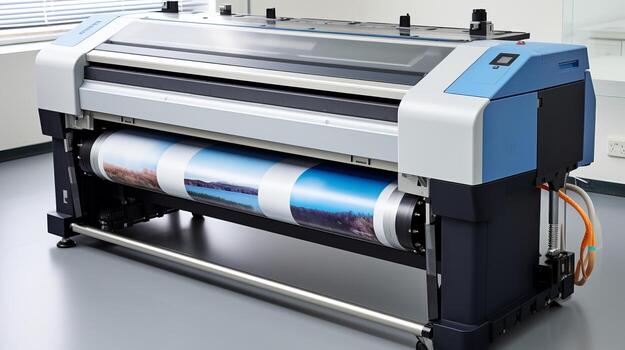

Choosing the right ink technology is a critical decision for print professionals, sign makers, and businesses investing in wide-format printing. The debate over which is better eco solvent or latex ink is ongoing, with each option offering distinct advantages and trade-offs. Understanding the differences between these ink types can help you select the best solution for your specific needs, whether you prioritize print quality, environmental impact, media compatibility, or long-term costs.
Before diving into the technical comparisons, it’s helpful to explore how these inks fit into the broader landscape of modern printing. For those interested in sustainable alternatives, you may also want to read this guide to solvent-free printing processes for additional context on eco-friendly print technologies.
Understanding Eco Solvent and Latex Ink Technologies
Both eco solvent and latex inks are widely used in large-format printing, but their chemistry and application methods differ significantly. Here’s a closer look at what sets them apart:
- Eco solvent inks use a mild solvent base to carry pigments. They are designed to be less toxic and less odorous than traditional solvent inks, making them suitable for indoor and outdoor signage.
- Latex inks are water-based and use polymer particles suspended in water. When heated, the water evaporates and the latex forms a durable film on the print surface.
Both technologies aim to balance print quality, durability, and environmental considerations, but they achieve these goals in different ways.
Key Differences: Print Quality, Durability, and Media Compatibility
When comparing eco solvent versus latex ink, print professionals often focus on three main factors: image quality, longevity, and the range of compatible substrates.
Print Quality
Eco solvent inks are known for producing vibrant colors and sharp details, especially on vinyl and other coated materials. They excel in applications where color accuracy and fine detail are critical, such as vehicle wraps and high-end banners.
Latex inks have improved significantly in recent years and now offer comparable color vibrancy and resolution. They are particularly effective for applications requiring odorless prints and instant dry times, such as indoor graphics and wall coverings.
Durability and Outdoor Performance
Both ink types provide good resistance to UV light, water, and abrasion. However, eco solvent prints generally offer slightly longer outdoor lifespans without lamination, making them a popular choice for billboards and exterior signage.
Latex prints are also durable, but their water-based nature may require lamination for maximum longevity in harsh outdoor environments. Still, latex technology is continually evolving, and many users find the durability sufficient for most applications.
Media Compatibility
Eco solvent inks are compatible with a wide range of coated and uncoated substrates, including vinyl, banners, canvas, and some fabrics. They are especially effective on media designed for solvent-based printing.
Latex inks can print on an even broader variety of materials, including paper, textiles, wallcoverings, and eco-friendly substrates. The water-based formulation allows for printing on heat-sensitive media that might be damaged by solvents.
Environmental Impact and Safety Considerations
One of the main reasons businesses consider latex ink is its reputation for being environmentally friendly. Let’s break down the ecological and health aspects of both ink types:
- Eco solvent inks produce fewer volatile organic compounds (VOCs) than traditional solvents, but they still contain some chemicals that require proper ventilation during printing. Disposal of waste ink and cleaning fluids must be managed responsibly.
- Latex inks are water-based and emit extremely low levels of VOCs. They are often certified for indoor air quality and can be used in sensitive environments like schools and hospitals. Cleanup is easier and generally requires only water.
For organizations with strict sustainability goals or those operating in enclosed spaces, latex ink may be the preferred option. However, eco solvent remains a viable choice for outdoor signage where ventilation is not a concern.
Cost Comparison: Upfront and Long-Term Expenses
Evaluating which is better eco solvent or latex ink often comes down to cost. Here are the main financial considerations:
- Printer cost: Eco solvent printers are typically less expensive upfront than latex printers. This makes them attractive for small businesses or startups.
- Ink and media costs: Eco solvent ink is generally less costly per liter than latex ink. However, latex printers may use less ink per square foot, depending on the application.
- Maintenance: Latex printers require regular maintenance cycles and the replacement of consumable parts, which can add to operational costs. Eco solvent printers also need maintenance, but the procedures are often simpler.
- Energy consumption: Latex printers use heat to cure the ink, resulting in higher electricity usage compared to eco solvent printers.
When factoring in all costs—equipment, ink, media, maintenance, and energy—it’s important to analyze your specific print volume and application mix to determine the most cost-effective solution.
Applications and Use Cases for Each Ink Type
The ideal ink technology depends on your business model, client needs, and print environment. Here are common use cases for each:
| Application | Eco Solvent | Latex |
|---|---|---|
| Outdoor Banners & Billboards | Excellent | Good (with lamination) |
| Indoor Wall Graphics | Good | Excellent |
| Vehicle Wraps | Excellent | Good |
| Wallpaper & Décor | Good | Excellent |
| Textiles & Fabrics | Limited | Excellent |
For a deeper dive into specialty print applications, you may also find value in exploring what is sublimation printing for specialty packaging and the latest trends in wood-grain and natural textures on print.
Pros and Cons: A Quick Overview
- Eco Solvent Advantages: Lower upfront cost, vibrant outdoor prints, wide media compatibility, proven technology.
- Eco Solvent Drawbacks: Some VOC emissions, requires ventilation, longer drying times, not ideal for all indoor spaces.
- Latex Advantages: Low VOCs, instant dry, odorless, broad substrate range, easy cleanup, suitable for sensitive environments.
- Latex Drawbacks: Higher printer cost, increased energy use, may require lamination for outdoor use, regular maintenance needed.
Expert Opinions and Industry Resources
Industry experts often recommend evaluating your primary applications, print environment, and sustainability requirements before making a decision. For a more technical breakdown of ink technologies, including how eco solvent compares to UV ink, see this analysis of UV ink versus eco solvent.
Frequently Asked Questions
Is eco solvent ink more durable than latex ink for outdoor signage?
Eco solvent prints generally offer longer outdoor durability without lamination, making them a strong choice for billboards and vehicle wraps. Latex prints are also durable, but may require lamination for maximum longevity in harsh weather conditions.
Which ink type is safer for indoor environments?
Latex ink is water-based and emits very low VOCs, making it ideal for indoor spaces such as schools, hospitals, and offices. Eco solvent ink is safer than traditional solvents, but still requires proper ventilation during use.
Can both ink types print on the same materials?
There is significant overlap, but latex ink is compatible with a broader range of substrates, including textiles and heat-sensitive materials. Eco solvent ink excels on vinyl and coated media designed for solvent printing.
Which technology is more cost-effective in the long run?
The answer depends on your print volume, media choices, and energy costs. Eco solvent printers have lower upfront costs, while latex printers may offer savings in cleanup and faster turnaround. It’s best to analyze your specific workflow to determine the most economical option.
Conclusion: Making the Right Choice for Your Printing Needs
Deciding which is better eco solvent or latex ink depends on your business priorities. If you need vibrant, durable outdoor prints and want a proven, cost-effective technology, eco solvent may be the right fit. If environmental safety, instant drying, and broad media compatibility are top concerns, latex ink is worth considering. Evaluate your typical projects, workspace, and sustainability goals to make an informed choice that supports your business growth.




