
As sustainability becomes a top priority for brands and consumers alike, innovative materials like mycelium are reshaping the packaging landscape. Mycelium, the root structure of fungi, offers a biodegradable and renewable alternative to traditional packaging substrates. But as this material gains traction, questions arise about how graphics, branding, and print technologies will adapt to its unique properties. This article explores the evolution of mycelium packaging graphics, the print technologies enabling their success, and what the future holds for eco-conscious brands seeking both performance and visual impact.
For those interested in the intersection of rapid prototyping and sustainable packaging, our guide on what is digital prototyping for packaging provides a deeper look at how digital tools are speeding up innovation in this field.
Emerging Trends in Sustainable Packaging Graphics
The shift toward eco-friendly materials is influencing not just the substrate, but also the visual language of packaging. Brands using mycelium-based solutions are adopting design strategies that highlight their commitment to the environment. Earth-toned palettes, minimalist layouts, and natural textures are increasingly popular, aligning with consumer expectations for authenticity and transparency.
As discussed in our article on trends in earth-toned color palettes, these color choices are more than aesthetic—they communicate a brand’s values and reinforce the sustainable narrative. For mycelium packaging, the graphics often embrace the organic look of the material, using subtle gradients, tactile finishes, and eco-friendly inks to create a harmonious and responsible appearance.
Print Technology Innovations for Mycelium-Based Substrates
Printing on mycelium presents unique challenges and opportunities. The surface texture, porosity, and absorbency of mycelium differ from traditional paper or plastic, requiring specialized print processes and ink formulations. Recent advances in digital and offset printing have made it possible to achieve high-quality, durable graphics on these unconventional substrates.
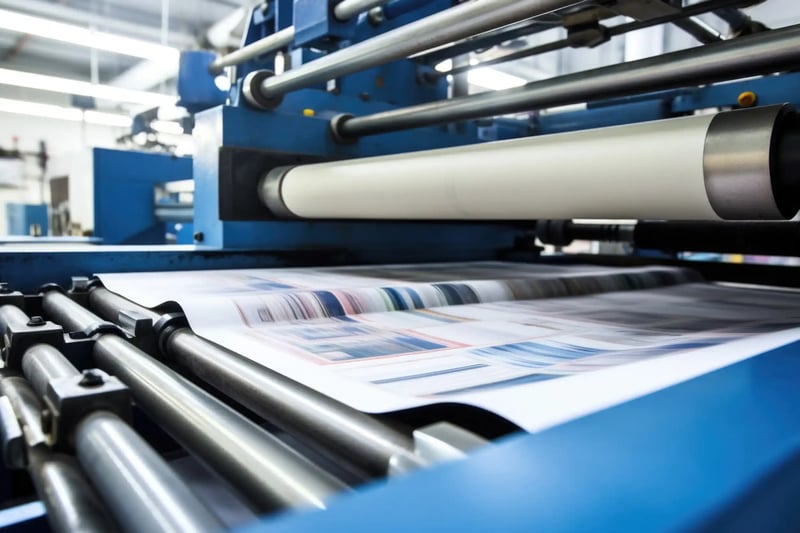
Key developments include:
- Water-based and bio-based inks that minimize environmental impact and bond effectively with mycelium surfaces.
- Low-temperature curing processes to prevent damage to heat-sensitive substrates.
- Digital print workflows that enable short runs, customization, and rapid prototyping for sustainable packaging concepts.
These advances allow brands to maintain vibrant, consistent branding while meeting strict sustainability goals. For more on leveraging digital print effects, see our guide on how to use gradients in digital packaging print.
Design Considerations for Next-Generation Mycelium Packaging Graphics
Creating effective graphics for mycelium-based packaging requires a nuanced approach. Designers must account for the material’s color, texture, and variability. Unlike bleached paperboard or plastic, mycelium often has a natural, off-white or beige tone with visible fibers or patterns. This organic appearance can be embraced as part of the design, using negative space and selective color to highlight the substrate’s unique qualities.
Other important considerations include:
- Choosing ink colors that contrast well with the natural base without overpowering it.
- Opting for simple, bold graphics that remain legible on textured surfaces.
- Testing print durability to ensure graphics withstand handling and environmental exposure.
Brands are also exploring interactive and smart packaging elements, such as QR codes or thermochromic inks. These features can be integrated into mycelium packaging to enhance user engagement while maintaining eco-friendly credentials. For a deep dive into temperature-sensitive print effects, our article on what is thermochromic ink offers practical insights.
Market Outlook and Industry Adoption
The adoption of mycelium-based packaging is accelerating, driven by consumer demand and regulatory pressure to reduce plastic waste. Major brands in food, cosmetics, and electronics are piloting mycelium solutions, often in partnership with startups specializing in biofabrication. As the technology matures, the focus is shifting from proof-of-concept to scalable, cost-effective production with consistent print quality.
According to industry forecasts, the global market for sustainable packaging is expected to grow steadily over the next decade. Advances in print technology will play a critical role in enabling this growth, ensuring that eco-friendly materials like mycelium can deliver both functional protection and compelling shelf presence. For a comprehensive analysis of digital print’s role in packaging, see the Smithers report on the future of digital print for packaging.

Integrating Cloud-Based Color Management for Consistency
One of the challenges with mycelium substrates is maintaining color consistency across production runs and facilities. Cloud-based color management systems are emerging as a solution, enabling brands and print providers to synchronize color profiles, monitor quality, and reduce waste. These systems are particularly valuable for global brands seeking to ensure their sustainable packaging looks the same in every market.
For more on the benefits and implementation of these systems, our article on benefits of cloud-based color management explores how technology is streamlining the print process for eco-friendly packaging.
FAQ: Mycelium Packaging Graphics and Print Technology
What makes mycelium packaging different from traditional materials?
Mycelium packaging is made from the root structure of fungi, making it biodegradable and renewable. Unlike plastic or paperboard, it decomposes naturally and requires less energy to produce. Its unique texture and color influence how graphics and print appear on the surface.
Can mycelium packaging support high-quality, full-color graphics?
Yes, advances in digital and offset printing, along with eco-friendly ink formulations, allow for vibrant and durable graphics on mycelium substrates. However, designers often adapt their artwork to complement the organic look and feel of the material.
How are brands ensuring color consistency on mycelium packaging?
Brands are adopting cloud-based color management systems to synchronize color profiles and monitor print quality across different production sites. This technology helps maintain consistent branding while reducing waste and rework.
Looking Ahead: The Next Chapter in Sustainable Packaging Design
The evolution of mycelium packaging graphics is just beginning. As print technology continues to advance and more brands embrace bio-based materials, the industry will see new possibilities for creative, sustainable, and effective packaging. The integration of smart features, improved color management, and innovative design strategies will ensure that eco-friendly packaging not only protects products but also elevates brand identity in a competitive marketplace.
Staying informed about the latest trends and technologies is essential for anyone involved in packaging design or production. By leveraging the unique properties of mycelium and the latest print innovations, brands can meet sustainability goals without compromising on visual impact or consumer appeal.