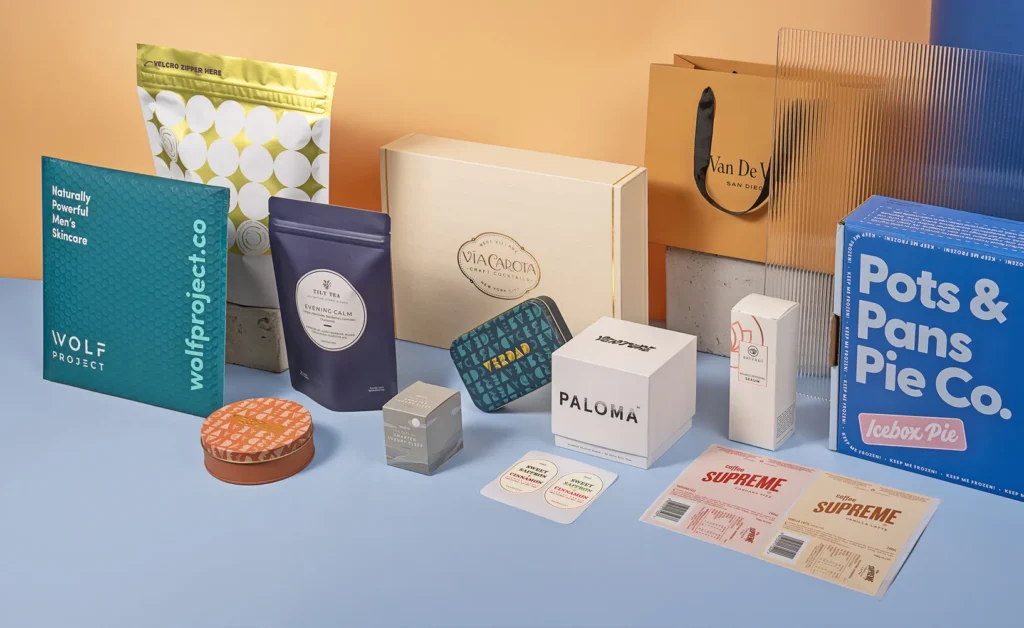

The world of packaging design is rapidly evolving, with brands and manufacturers embracing bold, imaginative styles inspired by science fiction and visions of the future. As we look ahead to 2026, trends in futuristic and sci-fi packaging aesthetics are shaping how products stand out on shelves and online. These design directions are not only about visual impact—they also reflect advances in materials, sustainability, and digital print technology.
In this article, we’ll explore the most influential themes, visual cues, and production techniques driving the next wave of packaging innovation. You’ll discover how brands are leveraging metallic finishes, holographic effects, minimalism, and interactive elements to create memorable unboxing experiences. Plus, we’ll highlight how digital prototyping and short-run printing empower even small brands to experiment with these forward-thinking looks.
For brands seeking agility and cost-effective experimentation, understanding the benefits of short-run digital printing for startups can be a game-changer. This approach allows for rapid prototyping and quick adaptation to emerging visual trends, making it easier to test new sci-fi-inspired designs without large upfront investments.
Key Visual Elements Defining Futuristic Packaging
Modern packaging inspired by science fiction often features a blend of sleek minimalism and high-tech embellishments. Here are some of the most prominent visual motifs and materials shaping the look of tomorrow’s packaging:
- Metallic and Iridescent Finishes: Foils, chrome, and holographic laminates evoke a sense of advanced technology and luxury. These finishes catch the light and create dynamic shelf presence.
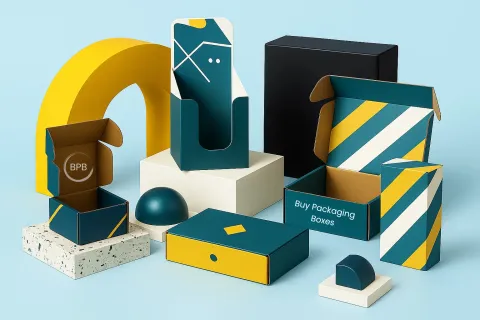
- Geometric and Modular Shapes: Unconventional box forms, angular lines, and tessellated patterns suggest innovation and break away from traditional packaging silhouettes.
- Neon and UV-Activated Colors: Bright, electric hues—sometimes only visible under blacklight—add a cyberpunk edge and reinforce the futuristic theme.
- Minimalist Typography and Iconography: Clean, sans-serif fonts and simple icons communicate clarity and a forward-thinking attitude, often paired with bold color blocking.
- Transparent and Translucent Materials: Windows, overlays, and see-through elements hint at advanced materials and allow consumers to preview the product inside.
Emerging Technologies Shaping Sci-fi Packaging
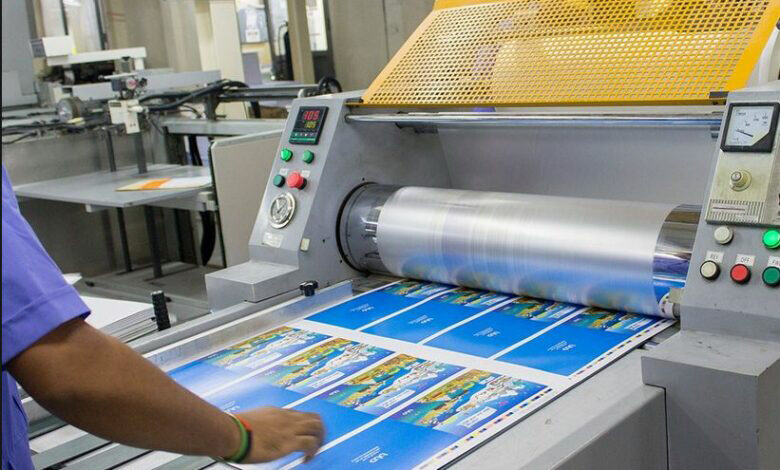
Advancements in print and production technology are enabling designers to realize concepts that once seemed impossible. Here’s how new tools are fueling the next generation of packaging:
- Digital Printing: Short-run and on-demand digital printing allow for intricate graphics, variable data, and rapid design iteration. This flexibility supports limited editions and personalized packaging with futuristic motifs.
- Smart Packaging: Embedded NFC chips, QR codes, and augmented reality markers turn boxes into interactive experiences. Consumers can scan packages to unlock digital content, instructions, or immersive brand stories.
- Sustainable Innovations: As eco-consciousness grows, brands are integrating recycled materials, biodegradable films, and plant-based inks—even within high-tech designs. For example, the future of mycelium packaging graphics demonstrates how organic materials can be combined with advanced print techniques for a truly modern look.
- Prototyping and Rapid Iteration: Digital prototyping tools make it easier to visualize and test sci-fi-inspired packaging before committing to full production. Learn more about what is digital prototyping for packaging and how it accelerates innovation.
Color Palettes and Visual Storytelling for 2026
Color is a powerful tool in futuristic packaging, conveying mood and positioning products as cutting-edge. For 2026, expect to see:
- Galactic Gradients: Smooth blends of purples, blues, and pinks mimic nebulae and cosmic phenomena, creating a sense of wonder and exploration.
- Monochrome with Accents: Black, white, or silver bases punctuated by vivid neon or metallic details for a high-contrast, high-impact look.
- Earth-Technology Fusion: Some brands are blending natural tones with synthetic finishes, reflecting the intersection of sustainability and innovation. For inspiration, see the trends in earth-toned color palettes for sustainable packaging.
Visual storytelling is also central to these designs. Packaging often features abstract graphics, circuit-like patterns, or even illustrations of imagined worlds, inviting consumers to become part of a brand’s futuristic narrative.
How Brands Can Adopt Futuristic Packaging Styles
Adopting these forward-looking aesthetics doesn’t require a blockbuster budget. Here are some practical steps for brands of all sizes:
- Start with Digital Prototyping: Use 3D modeling and digital mockups to visualize sci-fi-inspired concepts before committing to print. This minimizes risk and allows for fast iteration.
- Leverage Short-Run Printing: Test new designs in small batches to gauge consumer response. This approach is especially valuable for limited editions, seasonal launches, or influencer collaborations.
- Experiment with Materials: Combine traditional substrates with metallic foils, holographic films, or translucent plastics for added depth and intrigue.
- Integrate Interactive Elements: Add QR codes or NFC tags to connect packaging with digital experiences, such as AR product demos or exclusive online content.
- Stay Informed on Print Technology: Keep up with the latest advances in digital print and finishing. For a deeper dive, check out this guide on future digital printing trends in packaging.
Balancing Innovation with Sustainability
While futuristic packaging often conjures images of high-tech materials and bold effects, there’s a growing emphasis on eco-friendly solutions. Brands are challenged to balance visual innovation with responsible sourcing and recyclability. This means seeking out compostable films, plant-based inks, and modular designs that minimize waste.
For those interested in integrating sustainability into their workflows, learning how to implement circular design principles in printing can help align futuristic aesthetics with environmental responsibility.
FAQ: Futuristic and Sci-fi Packaging Directions
What are the most popular materials used in sci-fi-inspired packaging?
Common materials include metallic foils, holographic laminates, translucent plastics, and recycled substrates. Brands are also experimenting with biodegradable films and plant-based inks to combine innovation with sustainability.
How can small brands afford to use advanced packaging techniques?
Digital printing and short-run production make it possible for smaller businesses to test and launch futuristic designs without large upfront costs. These technologies allow for rapid prototyping and customization, lowering the barrier to entry.
Are interactive packaging features expensive to implement?
Adding QR codes or NFC tags is increasingly affordable, especially as digital printing technology advances. These features can be integrated into packaging runs with minimal additional cost, providing a high-impact way to engage consumers.
How do futuristic packaging trends impact consumer perception?
Packaging with sci-fi aesthetics often signals innovation, quality, and a forward-thinking brand identity. It can create a memorable first impression and encourage consumers to share their unboxing experiences online.
Conclusion
As we approach 2026, the influence of science fiction and future-focused design continues to grow in the packaging industry. From metallic finishes and interactive elements to sustainable innovations, the next generation of packaging is both visually striking and technologically advanced. By staying informed on the latest trends in futuristic and sci-fi packaging aesthetics and leveraging digital tools, brands can create memorable, meaningful experiences that resonate with modern consumers.