Navigating the world of eco solvent ink can be overwhelming for those new to large-format printing. Whether you’re starting a print shop, upgrading your equipment, or simply exploring sustainable printing options, understanding what to look for in eco-friendly inks is essential. This guide breaks down the basics, highlights key considerations, and offers practical advice to help you make informed choices when purchasing eco solvent ink for your printer.
Eco solvent inks have become a popular choice for businesses and hobbyists alike due to their lower environmental impact, vibrant color output, and compatibility with a wide range of media. Before diving into the specifics of purchasing, it’s helpful to understand how these inks compare to other options. For a detailed comparison, see the eco solvent ink vs sublimation resource.
What Is Eco Solvent Ink?
Eco solvent inks are a type of ink used primarily in wide-format inkjet printers for producing outdoor and indoor signage, banners, vehicle wraps, and more. Unlike traditional solvent inks, eco solvent formulations use milder, biodegradable solvents that emit fewer volatile organic compounds (VOCs). This makes them safer for both users and the environment.
The inks are known for their durability, water resistance, and ability to adhere to a variety of substrates, including vinyl, canvas, and coated papers. For those interested in understanding the technical aspects and environmental benefits, this overview of eco solvent printing provides a thorough explanation.
Key Considerations When Choosing Eco Solvent Ink
Selecting the right ink involves more than just picking a brand. Several factors influence print quality, longevity, and overall satisfaction. Here are the most important aspects to keep in mind:
- Printer Compatibility: Not all inks work with every printer model. Always check your printer’s specifications and recommended ink types before purchasing.
- Color Gamut and Vibrancy: High-quality eco solvent inks offer a broad color range and produce vivid, consistent results. This is especially important for graphics, signage, and photographic prints.
- Durability and Weather Resistance: One of the main advantages of eco solvent ink is its resistance to fading, water, and UV exposure. Look for inks rated for outdoor use if your prints will be exposed to the elements.
- Drying Time: Faster drying inks can improve workflow efficiency and reduce smudging, especially in high-volume environments.
- Environmental Impact: Choose inks with low VOC emissions and biodegradable components to minimize your ecological footprint.
- Cost and Yield: Consider the price per liter and the estimated print yield. Sometimes, a slightly higher upfront cost results in better long-term value.
Understanding Ink Compatibility and Printer Requirements
Before making a purchase, it’s crucial to verify that the ink is suitable for your specific printer model. Manufacturers often list compatible printers on the packaging or product description. Using the wrong ink can lead to poor print quality, clogging, or even damage to the printhead.
For troubleshooting common issues such as clogging or banding, resources like the eco solvent ink clogging solutions and eco solvent ink banding problem guides are invaluable.
Comparing Eco Solvent Ink to Other Printing Inks
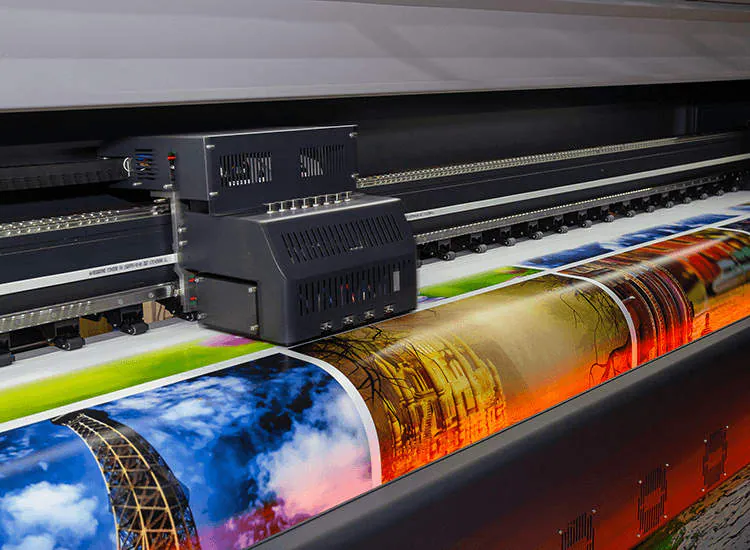
When evaluating eco solvent ink, it’s helpful to compare it to other popular ink types, such as traditional solvent and water-based inks. Eco solvent options tend to offer a balance between durability and environmental safety. They are less harsh than full-solvent inks, which can emit strong odors and require special ventilation, but more robust than water-based inks, which may lack weather resistance.
For a deeper dive into how these inks stack up, the eco solvent ink vs solvent ink comparison article covers performance, application, and cost differences in detail.
Common Applications and Media Types
Eco solvent inks are versatile and suitable for a wide range of applications. Some of the most common uses include:
- Outdoor banners and billboards
- Vehicle wraps and decals
- Window graphics
- Indoor signage and displays
- Canvas art prints
- Labels and stickers
These inks adhere well to coated and uncoated vinyl, canvas, polyester fabrics, and certain papers. Always check the compatibility of your chosen ink with the intended substrate to ensure optimal results.
Tips for First-Time Buyers
If you’re new to purchasing eco solvent ink, keep these practical tips in mind:
- Start with Small Quantities: Test a small batch of ink before committing to larger volumes. This allows you to evaluate color, drying time, and compatibility without significant investment.
- Check Expiry Dates: Always verify the manufacturing and expiration dates. Using expired ink can lead to print defects and clogging.
- Store Properly: Keep ink bottles sealed and stored in a cool, dry place away from direct sunlight to maintain quality.
- Read User Reviews: Look for feedback from other users with similar printers or applications. Real-world experiences can highlight potential issues or advantages.
- Consult Manufacturer Guidelines: Follow your printer manufacturer’s recommendations for ink types and maintenance routines to avoid warranty issues.
Addressing Common Issues with Eco Solvent Ink
Even with high-quality ink, problems can arise. Some frequent concerns include printhead clogging, banding, and cracking. These issues are often related to improper storage, expired ink, or incompatible media.
For troubleshooting and solutions, refer to resources like eco solvent ink cracking and the previously mentioned guides on clogging and banding. Staying proactive with maintenance and using compatible products can greatly reduce these challenges.
Frequently Asked Questions
Is eco solvent ink safe for indoor use?
Yes, eco solvent inks emit significantly fewer VOCs than traditional solvent inks, making them safer for indoor environments. However, ensure proper ventilation in your workspace and follow the manufacturer’s safety guidelines.
How long do prints made with eco solvent ink last outdoors?
Prints produced with eco solvent ink can last from 2 to 5 years outdoors, depending on exposure to sunlight, weather conditions, and the quality of the substrate. Using UV-protective laminates can further extend the lifespan.
Can I use eco solvent ink in any inkjet printer?
No, eco solvent inks are designed for specific wide-format inkjet printers. Always check your printer’s compatibility before purchasing to avoid damage and ensure optimal print results.
What’s the difference between eco solvent and regular solvent ink?
Eco solvent inks use milder, biodegradable solvents and emit fewer harmful chemicals, making them more environmentally friendly. Regular solvent inks are more durable but produce stronger odors and require more stringent handling.
Conclusion
Choosing the right eco solvent ink involves understanding your printer’s requirements, evaluating ink quality, and considering your specific application needs. By focusing on compatibility, durability, and environmental impact, you can achieve vibrant, long-lasting prints while minimizing your ecological footprint. For those seeking more detailed comparisons or troubleshooting advice, the internal resources linked throughout this article provide further guidance.