

Understanding the different eco solvent ink packaging types is essential for anyone involved in digital printing, whether you’re a print shop owner, a technician, or a business sourcing supplies. The packaging format not only affects how ink is stored and handled but also influences print quality, equipment compatibility, and operational efficiency. With the growing demand for environmentally friendly and cost-effective printing solutions, knowing your options helps you make informed decisions and avoid costly mistakes.
If you’re just starting out or want to ensure you’re choosing the right ink for your equipment, it’s helpful to review a comprehensive eco solvent ink buying guide before diving into the specifics of packaging formats. This article will break down the main packaging styles, their advantages, and how to select the best option for your needs.
Why Packaging Matters for Eco Solvent Ink
The type of container used for eco solvent ink is more than just a vessel. It plays a crucial role in maintaining ink stability, preventing contamination, and ensuring safe transport and storage. Different printers and workflows require specific packaging types, and using the wrong one can lead to leaks, clogs, or even equipment damage.
For those comparing ink technologies, it’s also useful to understand the eco solvent ink vs aqueous ink differences, as packaging requirements can vary significantly between ink types.
Common Eco Solvent Ink Packaging Types
Manufacturers offer several packaging solutions to suit different printing environments. Below are the most widely used formats, each with its own benefits and considerations.
Bottles: The Versatile Choice
Bottles are the most traditional and flexible packaging for eco solvent ink. They are typically made from high-density polyethylene (HDPE) or similar plastics that resist chemical corrosion. Bottle sizes range from 100ml to 1 liter or more, making them suitable for both small businesses and high-volume print shops.
- Advantages: Easy to store, pour, and refill. Compatible with a wide range of printers, especially those with refillable tanks or bulk ink systems.
- Considerations: Requires careful handling to avoid spills and contamination. Not always ideal for high-speed, unattended printing environments.
Cartridges: Precision and Convenience
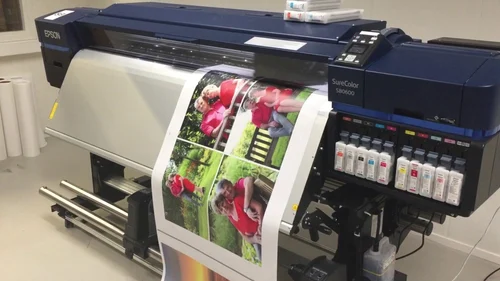
Cartridges are pre-filled, sealed units designed for direct installation into compatible printers. They are often used in desktop and wide-format printers from brands like Roland, Mimaki, and Epson. Cartridges come in various capacities, usually between 220ml and 700ml.
- Advantages: Clean and easy to replace. Reduces the risk of contamination and spillage. Ensures consistent ink delivery and color accuracy.
- Considerations: Typically more expensive per milliliter than bottles. Must match the printer model exactly to avoid compatibility issues.
Bags and Pouches: Bulk and Sustainability
For high-volume operations, ink bags or pouches are gaining popularity. These flexible containers are designed for use in bulk ink supply systems, often found in industrial or production-level printers. Capacities can reach several liters, reducing the frequency of replacements.
- Advantages: Lower packaging waste, reduced shipping costs, and less downtime for refills. Some systems allow for continuous ink supply, minimizing interruptions.
- Considerations: Requires compatible bulk ink systems. Initial setup may be more complex than using bottles or cartridges.
Factors to Consider When Choosing Ink Packaging
Selecting the right packaging for your eco solvent ink involves more than just matching the container to your printer. Here are some key factors to keep in mind:
- Printer Compatibility: Always check your printer’s specifications and manufacturer recommendations. Some printers only accept cartridges, while others are designed for bottles or bulk systems.
- Volume Requirements: High-output environments benefit from bulk packaging, while smaller operations may prefer the flexibility of bottles or cartridges.
- Handling and Storage: Consider your workspace and how ink will be stored. Bottles require careful handling, while cartridges and bags are more contained.
- Cost Efficiency: Bulk packaging often offers the lowest cost per milliliter, but may require a larger upfront investment in compatible systems.
- Sustainability: Bags and pouches typically generate less waste than rigid bottles or cartridges, aligning with eco-friendly business practices.
For a deeper dive into selecting the right ink, see this resource on how to choose eco solvent ink.
Comparing Packaging Types for Eco Solvent Inks
| Packaging Format | Best For | Main Benefits | Potential Drawbacks |
|---|---|---|---|
| Bottles | Refillable printers, small to medium shops | Flexible, cost-effective, easy to store | Spill risk, manual handling required |
| Cartridges | Desktop and wide-format printers | Clean, precise, easy to swap | Higher cost, model-specific |
| Bags/Pouches | Industrial, high-volume printing | Bulk supply, less waste, fewer refills | Needs compatible system, setup complexity |
Tips for Safe Handling and Storage
Regardless of which packaging you choose, proper handling and storage are vital to maintain ink quality and ensure safety:
- Store ink containers in a cool, dry place away from direct sunlight.
- Keep packaging sealed until ready for use to prevent contamination.
- Wear gloves when handling open bottles or refilling tanks.
- Dispose of empty containers according to local regulations to minimize environmental impact.
Further Reading and Resources
For those interested in the science and sustainability of these inks, this overview of eco solvent digital ink provides a detailed look at their formulation and environmental benefits.
If you’re comparing ink types for your next project, the eco solvent ink vs solvent ink comparison is a helpful reference for understanding the practical differences in performance and application.
Frequently Asked Questions
What is the most common packaging for eco solvent ink?
Bottles are the most widely used packaging format, offering flexibility for refilling a variety of printers. However, cartridges and bulk bags are also popular, depending on the printer model and production needs.
Can I use any packaging type with my printer?
No. Always check your printer’s compatibility before purchasing ink. Some printers require proprietary cartridges, while others are designed for bottles or bulk ink systems. Using the wrong packaging can cause malfunctions or void warranties.
Are eco solvent ink bags more environmentally friendly?
Generally, yes. Bags and pouches use less material than rigid bottles or cartridges, resulting in less packaging waste. They are especially beneficial for high-volume users looking to reduce their environmental footprint.
How should I store unused eco solvent ink?
Keep ink in its original, sealed packaging in a cool, dry place away from sunlight and extreme temperatures. This helps preserve ink quality and prevents premature degradation.
Is there a difference in print quality between packaging types?
The packaging itself does not affect print quality, as long as the ink is fresh and uncontaminated. However, improper handling or using incompatible packaging can lead to issues that may impact output.




