The packaging industry is evolving rapidly, with brands and manufacturers seeking sustainable, high-quality solutions for their printing needs. Eco solvent ink for packaging has become a popular choice, offering a balance of vibrant color, durability, and environmental responsibility. This guide explores what makes these inks unique, their benefits for packaging applications, and how to choose and use them effectively.
Whether you’re a print shop owner, packaging designer, or production manager, understanding the role of eco-friendly inks can help you meet both regulatory standards and customer expectations for greener products. If you’re interested in broader uses, you might also want to read about eco solvent ink industrial applications for a comprehensive overview.
What Is Eco Solvent Ink and Why Use It for Packaging?
Eco solvent ink is a type of ink formulated with mild, biodegradable solvents that are less harmful to the environment compared to traditional solvent-based inks. These inks are designed to reduce volatile organic compound (VOC) emissions, making them safer for both operators and the environment. For packaging, this means you can achieve high-quality prints while supporting sustainability initiatives.
Unlike water-based or UV inks, eco solvent formulations offer excellent adhesion to a wide range of packaging substrates, including coated and uncoated papers, films, and certain plastics. This versatility is key for brands looking to maintain consistent quality across different packaging types.
Key Benefits of Eco Solvent Ink in Packaging Production
Adopting eco solvent ink for packaging brings several advantages:
- Reduced Environmental Impact: Lower VOC emissions and biodegradable components help companies meet regulatory and sustainability goals.
- Vivid, Long-Lasting Colors: These inks deliver sharp, vibrant images that resist fading, even on flexible packaging materials.
- Compatibility: Suitable for a variety of substrates, including vinyl, polypropylene, and specialty packaging films.
- Durability: Prints are water-resistant and scratch-resistant, making them ideal for products that face handling and transportation.
- Cost-Effectiveness: Longer printhead life and reduced maintenance compared to harsher solvent inks can lower operational costs.
To learn more about how these inks perform in different settings, see our eco solvent ink large format printing guide for additional insights.

How Eco Solvent Inks Work in Packaging Printing
The printing process with eco solvent inks is similar to standard solvent printing, but with less environmental impact. The ink is jetted onto the packaging substrate and the mild solvent carrier evaporates, leaving behind the pigment or dye. This results in a durable, high-resolution image that adheres well to many packaging materials.
For those working with specialty or flexible packaging, print calibration is crucial. Proper calibration ensures color accuracy and ink adhesion, especially when switching between substrates. For step-by-step instructions, refer to our eco solvent ink print calibration guide.
Choosing the Right Eco Solvent Ink for Your Packaging Needs
Not all eco solvent inks are created equal. When selecting an ink for packaging, consider the following factors:
- Substrate Compatibility: Make sure the ink is formulated for the materials you use most often, such as paperboard, flexible films, or synthetic labels.
- Color Gamut: Look for inks that offer a wide range of colors and consistent output, especially if your packaging features detailed graphics or brand colors.
- Regulatory Compliance: Packaging for food, cosmetics, or pharmaceuticals may require inks that meet specific safety standards.
- Drying Time: Fast-drying inks can improve production efficiency and reduce smudging on high-speed lines.
- Printhead Compatibility: Always check that the ink matches your printer’s technology to avoid clogging or reduced printhead life.
For more details on ink properties and their advantages, see this in-depth article explaining eco solvent ink advantages and applications.
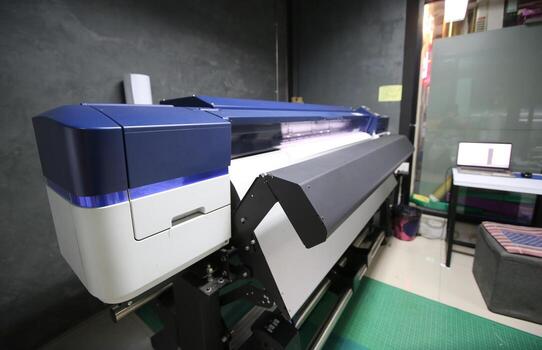
Best Practices for Printing with Eco Solvent Inks
To get the most out of your eco solvent ink setup, follow these tips:
- Storage: Keep ink cartridges or bottles sealed and stored in a cool, dry place to maintain quality.
- Printer Maintenance: Regularly clean printheads and run maintenance cycles to prevent clogging and ensure consistent output.
- Test Prints: Always run test prints on new substrates to check for adhesion and color accuracy.
- Lamination: Some packaging may require extra protection. For guidance, see our article on does eco solvent ink need lamination to determine if your application would benefit from this step.
- Ventilation: Even though eco solvent inks are less hazardous, ensure your print area is well-ventilated for operator safety.
Applications and Limitations in Packaging
Eco solvent ink for packaging is ideal for:
- Product labels and stickers
- Flexible pouches and bags
- Carton and box printing
- Outdoor packaging that requires weather resistance
However, there are some limitations. These inks may not be suitable for all food-contact surfaces unless specifically certified. Additionally, certain specialty films or highly absorbent papers might require pre-treatment or alternative ink systems.
Frequently Asked Questions
Is eco solvent ink safe for food packaging?
Not all eco solvent inks are certified for direct food contact. Always check with your supplier for compliance with food safety regulations if your packaging will touch edible products.
Can eco solvent ink be used on fabric packaging?
Some eco solvent inks can print on certain fabrics, especially coated textiles. For more details, see our guide on can eco solvent ink print on fabric.
Do prints made with eco solvent ink require lamination?
Lamination is not always necessary, as these inks are water- and scratch-resistant. However, for applications needing extra durability or a specific finish, lamination can provide added protection. Refer to our article on does eco solvent ink need lamination for more information.
How does eco solvent ink compare to UV and water-based inks?
Eco solvent inks offer a balance of durability, flexibility, and environmental friendliness. UV inks cure instantly and are highly durable but may not be suitable for all substrates. Water-based inks are very eco-friendly but may lack the adhesion and resistance needed for certain packaging materials.
Conclusion
As the demand for sustainable packaging grows, eco solvent ink for packaging stands out as a practical solution that delivers both quality and environmental benefits. By understanding its properties, choosing the right formulation, and following best practices, you can produce packaging that meets modern standards for performance and responsibility.