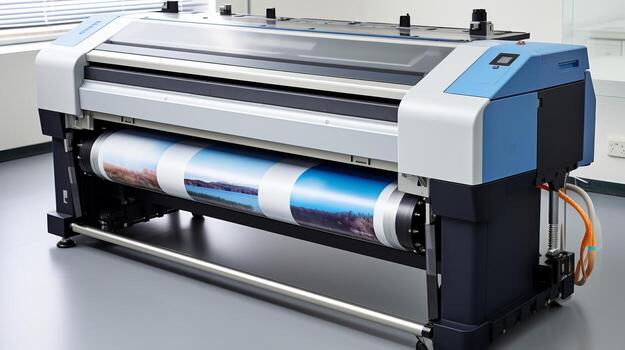

Floor graphics have become a popular solution for wayfinding, branding, and advertising in retail, hospitality, and public spaces. The demand for vibrant, durable, and environmentally conscious printing solutions has led many print professionals to consider eco solvent ink for floor graphics. This type of ink offers a balance between print quality, longevity, and reduced environmental impact, making it a preferred choice for both indoor and outdoor floor signage.
In this article, we’ll explore the benefits of using eco-friendly solvent inks for floor signage, how they compare to other ink types, and what to consider when selecting materials and processes. For those interested in broader applications, you can also learn about eco solvent ink for packaging to see how these inks perform in different print environments.
Understanding Eco Solvent Ink for Floor Graphics
Eco solvent ink for floor graphics is formulated with mild, biodegradable solvents that emit fewer volatile organic compounds (VOCs) compared to traditional solvent inks. This makes them safer for both print operators and the environment. These inks are designed to adhere to a variety of substrates commonly used for floor signage, including vinyl, PVC, and specialty films.
The unique chemistry of eco solvent inks allows for high color vibrancy and sharp detail, which is essential for graphics that need to stand out in busy environments. Unlike water-based inks, eco solvent options offer enhanced resistance to abrasion, moisture, and foot traffic, making them suitable for high-traffic areas.
Key Advantages of Using Eco Solvent Inks on Floor Signage
- Durability: Eco solvent prints are highly resistant to scuffs, scratches, and cleaning chemicals, ensuring that floor graphics remain legible and visually appealing over time.
- Vivid Colors: The ink’s formulation produces rich, saturated colors that help graphics attract attention and communicate messages effectively.
- Environmental Benefits: Lower VOC emissions and reduced hazardous waste make these inks a more sustainable choice for businesses aiming to minimize their ecological footprint.
- Versatility: Suitable for a wide range of substrates, eco solvent inks can be used for both temporary and long-term floor installations.
- Cost-Effectiveness: With improved print longevity, there’s less need for frequent replacement, saving money in the long run.
Comparing Eco Solvent Ink to Other Printing Technologies
When evaluating options for floor graphics, it’s important to compare eco solvent inks with other common ink types:
- Latex Inks: These water-based inks are also eco-friendly and offer good durability, but may require specialized media and equipment. They are often preferred for indoor applications where odor and drying time are concerns.
- UV-Curable Inks: UV inks cure instantly under UV light and provide excellent abrasion resistance. However, they can be more expensive and may not be as flexible on certain substrates, which can be a drawback for floor graphics that need to withstand bending or flexing.
- Traditional Solvent Inks: While these offer strong adhesion and durability, they emit higher levels of VOCs and require more extensive ventilation and handling precautions.
For a deeper dive into the differences, you can read this comprehensive overview of eco solvent printing and its advantages over other ink technologies.
Choosing the Right Media and Lamination for Floor Graphics
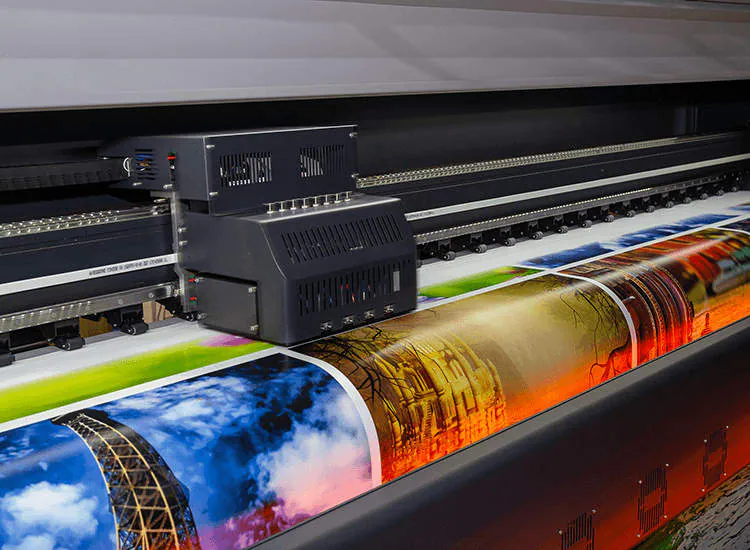
Selecting the proper media is crucial for successful floor graphics. Most eco solvent inks are compatible with self-adhesive vinyl, which is commonly used due to its flexibility and ease of installation. For environments exposed to heavy traffic or cleaning, pairing the print with a slip-resistant overlaminate is recommended. This not only protects the graphic but also ensures safety for pedestrians.
If you’re curious about whether additional protection is needed, the does eco solvent ink need lamination guide provides detailed information on when and why lamination is beneficial for floor signage.
Best Practices for Printing and Installing Floor Graphics
- Surface Preparation: Ensure the floor is clean, dry, and free of dust or grease before installation to promote strong adhesion.
- Printer Settings: Use the manufacturer’s recommended profiles for eco solvent inks to achieve optimal color and durability.
- Curing Time: Allow prints to fully cure before applying lamination or installing on the floor. This helps prevent smudging and ensures maximum ink adhesion.
- Application: Use a squeegee or roller to apply the graphic smoothly, avoiding air bubbles and wrinkles.
- Maintenance: Clean the graphics gently with non-abrasive cleaners to extend their lifespan and maintain appearance.
Expanding Applications Beyond Floor Graphics
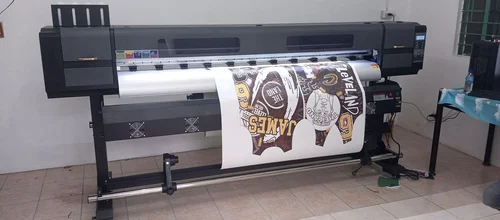
While floor signage is a prominent use case, eco solvent inks are also suitable for a variety of other applications. These include wall murals, window graphics, and even certain types of fabric prints. For those interested in textile printing, the article can eco solvent ink print on fabric explores the compatibility and results of using these inks on different materials.
Large format printing is another area where eco solvent technology excels. It offers the ability to produce banners, posters, and displays with consistent quality and durability. Learn more about this in the eco solvent ink large format printing guide.
For businesses with industrial-scale needs, eco solvent ink industrial applications provides insights into how these inks are used across various sectors.
Frequently Asked Questions
Is eco solvent ink safe for indoor floor graphics?
Yes, eco solvent inks emit significantly fewer VOCs than traditional solvent inks, making them a safer option for indoor environments. They are commonly used in retail stores, schools, and hospitals where air quality is a concern.
How long do floor graphics printed with eco solvent ink last?
With proper installation and maintenance, floor graphics produced with eco solvent inks can last from several months up to a year or more, depending on foot traffic and cleaning frequency. Using a protective overlaminate can further extend their lifespan.
Can eco solvent ink be used on all types of floor surfaces?
Eco solvent inks are compatible with a wide range of printable vinyl and films designed for floor use. However, it’s important to choose media that is specifically engineered for the intended surface (such as tile, concrete, or laminate) and to follow manufacturer recommendations for best results.