
Printing directly onto glass has become a popular choice for both businesses and individuals seeking to combine durability with striking visual appeal. From custom signage and branded packaging to contemporary wall art and architectural features, this technique offers a unique set of advantages that set it apart from traditional printing methods. In this article, we’ll explore the benefits of printing on glass, highlight key applications, and explain why this process is increasingly favored in modern design and manufacturing.
Whether you’re considering glass printing for commercial branding, interior décor, or personalized gifts, understanding the practical and aesthetic advantages can help you make informed decisions. For those interested in exploring creative uses, you might find inspiration in glass wall art ideas that showcase the versatility of printed glass in contemporary spaces.
Why Choose Glass Printing for Modern Applications?
One of the most compelling reasons to opt for glass as a printing substrate is its ability to deliver vibrant, long-lasting results. Unlike paper or plastic, glass offers a non-porous, smooth surface that supports high-resolution images and crisp text. This makes it ideal for applications where clarity and color fidelity are paramount.
Additionally, glass is inherently resistant to moisture, UV exposure, and chemical degradation. These properties ensure that printed graphics remain vivid and intact even in challenging environments, such as bathrooms, kitchens, or outdoor installations.
Key Benefits of Printing on Glass Surfaces
Let’s take a closer look at the most significant benefits of printing on glass for both commercial and personal projects:
1. Exceptional Durability and Longevity
Printed glass stands out for its resilience. The inks or enamels used in the process are often fused or cured onto the surface, resulting in graphics that are scratch-resistant and less likely to fade over time. This makes glass printing an excellent choice for signage, displays, and architectural panels that must withstand frequent handling or exposure to the elements.
2. Striking Visual Impact
Glass offers a unique luminosity and depth that enhances the appearance of printed designs. The transparency or translucency of the material allows for creative effects such as backlighting, layering, and color gradients. This is particularly valuable in decorative applications, such as photo printing on glass, where image vibrancy and detail are essential.
3. Versatility Across Industries
Printing on glass is not limited to a single sector. It is widely used in architecture, retail, hospitality, and product packaging. For example, custom glass signs offer a sleek, professional look for businesses, while printed glass panels can serve as privacy screens or decorative partitions in offices and homes. The ability to customize size, shape, and design makes glass printing suitable for a broad range of creative and functional needs.
4. Easy Maintenance and Hygiene
Glass surfaces are easy to clean and naturally resistant to bacteria and mold. This makes them ideal for environments where hygiene is a priority, such as hospitals, laboratories, and food service areas. Printed glass can be wiped down without damaging the design, ensuring both aesthetics and cleanliness are maintained over time.
Popular Techniques for Glass Printing
Several methods are used to transfer images and text onto glass, each with its own strengths. The most common include:
- Screen Printing: Ideal for bold graphics and high-volume production, screen printing uses stencils and special inks to create durable designs.
- Digital UV Printing: This technique allows for full-color, high-resolution images and is suitable for short runs or custom projects.
- Etching and Sandblasting: These processes create frosted or textured effects, often used for decorative panels and privacy glass.
For a deeper dive into the latest advancements, check out innovations in glass printing to see how technology is shaping new possibilities in this field.
If you’re interested in the technical side, this overview of top glass printing methods provides a helpful comparison of the main approaches used by professionals.
Design Flexibility and Customization
One of the standout benefits of printing on glass is the freedom it offers designers and brands. Glass can be printed in virtually any color, including opaque, translucent, or metallic finishes. This flexibility allows for intricate patterns, gradients, and even photographic reproductions. Whether you want a subtle frosted effect or a bold, full-color mural, glass printing can accommodate your vision.
Moreover, the process supports both small and large formats, making it suitable for everything from compact product labels to expansive wall installations. For privacy solutions, techniques like opaque glass printing techniques can be used to create panels that obscure visibility while still allowing light to pass through.
Environmental Considerations and Sustainability
Glass is a sustainable material, being both recyclable and reusable. Printing on glass can support eco-friendly initiatives, especially when paired with water-based or UV-cured inks that minimize environmental impact. Unlike plastic substrates, glass does not leach harmful chemicals and can be recycled repeatedly without loss of quality. This makes it a responsible choice for brands and consumers who prioritize sustainability.
Common Uses for Printed Glass
The versatility of glass printing is reflected in its wide range of applications, including:
- Architectural Features: Decorative panels, partitions, and facades in commercial and residential buildings.
- Retail Displays: Eye-catching signage, shelving, and product showcases that enhance brand visibility.
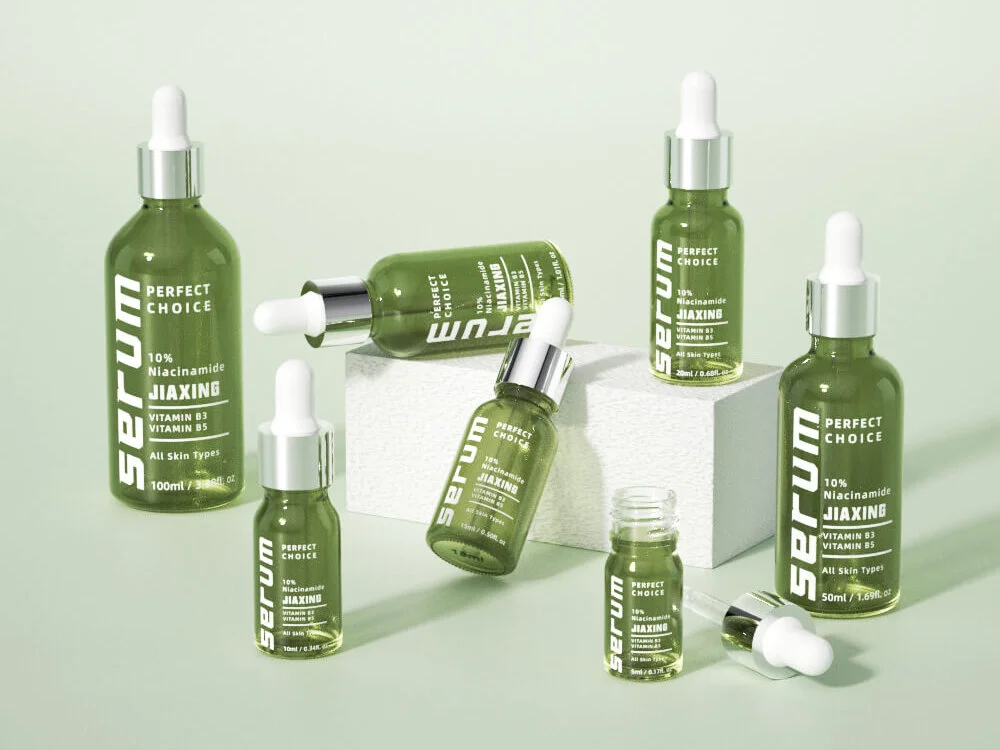
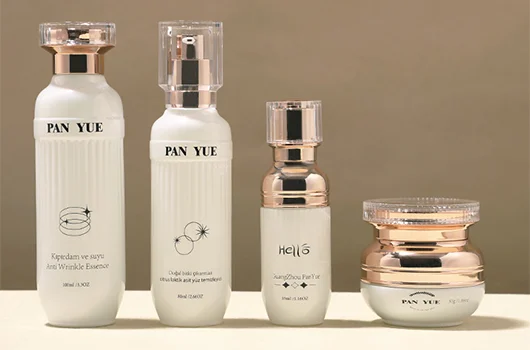
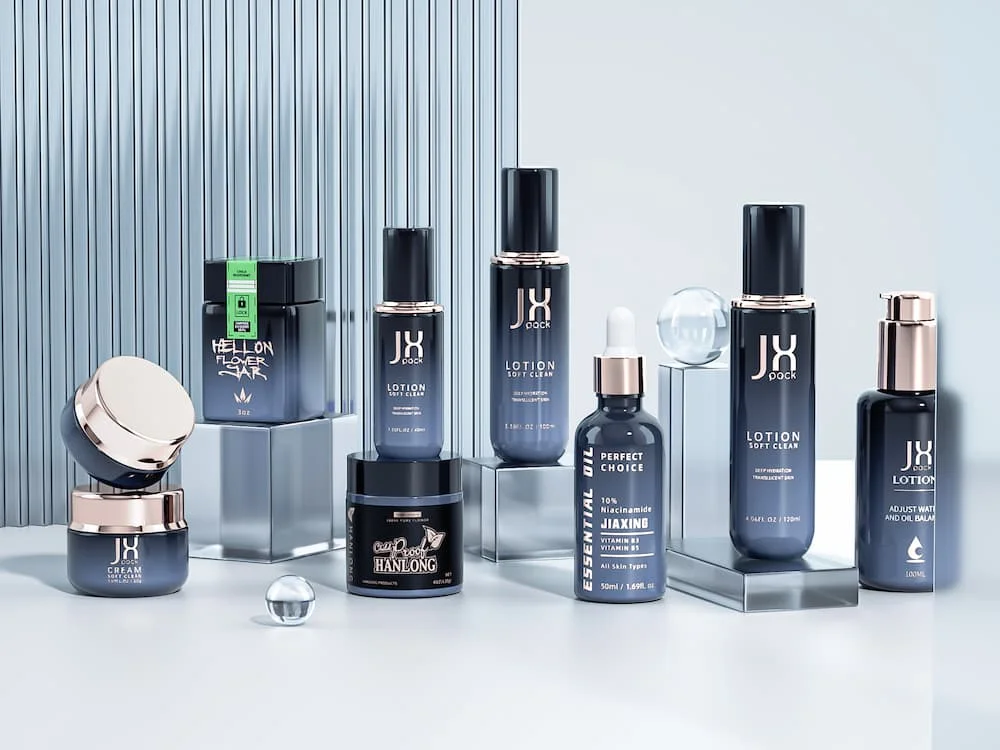
- Packaging: Premium bottles and jars with custom branding for cosmetics, food, and beverages.
- Interior Décor: Wall art, splashbacks, and tabletops that add a modern touch to any space.
- Privacy Solutions: Frosted or patterned glass panels for offices, bathrooms, and meeting rooms.
For more inspiration, explore the creative possibilities with photo printing on glass and see how this technique can transform ordinary spaces into works of art.
Frequently Asked Questions
What types of images work best for glass printing?
High-resolution images with strong contrast and vibrant colors tend to produce the best results. Vector graphics and photographs can both be used, but it’s important to ensure the file quality matches the intended print size for optimal clarity.
Is printed glass safe for use in kitchens and bathrooms?
Yes, glass is non-porous and easy to sanitize, making it suitable for wet or hygienic environments. The printed surface is typically sealed or fused, ensuring the design remains intact even with regular cleaning.
How does glass printing compare to other materials in terms of durability?
Glass is more resistant to scratches, fading, and moisture than many other substrates like plastic or acrylic. When properly printed and cured, the graphics can last for many years with minimal maintenance.
Can printed glass be used outdoors?
Absolutely. The durability of glass and the UV-resistant inks used in modern printing processes make it suitable for outdoor signage, architectural features, and decorative panels exposed to the elements.
Conclusion
The benefits of printing on glass are clear: unmatched durability, brilliant visual effects, design flexibility, and environmental responsibility. Whether for branding, décor, or functional installations, glass printing delivers lasting value and creative freedom. As technology continues to advance, expect even more innovative applications and techniques to emerge, making this medium a smart choice for forward-thinking designers and businesses.