The world of glass decoration is experiencing a remarkable transformation. Advances in technology and creative techniques are opening new possibilities for designers, manufacturers, and brands. Innovations in glass printing are not only changing how products look, but also how they perform, how sustainable they are, and how they connect with consumers. From high-definition digital prints to tactile effects and eco-friendly processes, these breakthroughs are shaping the next generation of glass packaging, décor, and functional products.
As the demand for unique, high-quality, and sustainable glass designs grows, understanding the latest methods and their impact is crucial for anyone involved in packaging, interior design, or product branding. This article explores the most significant developments, compares traditional and modern approaches, and highlights what these changes mean for the future of design.

For those interested in related surface trends, the article on trends in wood-grain and natural textures on print provides additional insight into how material innovation is influencing packaging and product design.
Modern Methods Transforming Glass Decoration
Traditional glass decoration relied heavily on manual techniques such as screen printing, etching, and painting. While these methods still have their place, recent years have seen a surge in digital and hybrid processes that offer greater flexibility, precision, and creative freedom. The shift toward digital technology is one of the most notable innovations in glass printing, enabling detailed imagery, variable data, and short-run customization that were previously impossible or cost-prohibitive.
- Digital Printing: High-resolution, full-color images can now be printed directly onto glass surfaces with remarkable clarity. This method supports intricate designs, gradients, and even photographic quality, making it ideal for branding and personalization.
- UV-Curable Inks: These inks cure instantly under ultraviolet light, providing durable, scratch-resistant prints that adhere well to glass. UV printing is energy-efficient and reduces waste compared to traditional processes.
- Hybrid Techniques: Combining digital and screen printing allows for both detailed imagery and tactile effects, such as raised textures or metallic finishes. This approach leverages the strengths of both technologies for premium results.
Comparing Digital and Screen Printing on Glass
Choosing the right printing method depends on design goals, production volume, and budget. Glass printing innovations have made digital methods more accessible, but screen printing remains popular for certain applications. To understand the differences, it’s helpful to consider factors like color vibrancy, durability, and cost-effectiveness.
For a detailed breakdown, the article comparing digital and screen printing for glass provides a comprehensive look at the pros and cons of each approach.
- Digital Printing: Best for complex, multicolor designs and small to medium runs. Offers fast turnaround and minimal setup.
- Screen Printing: Ideal for bold, solid colors and large production volumes. Provides excellent opacity and durability, especially for functional glassware.
Hybrid workflows are increasingly common, allowing designers to combine the best features of both methods for unique visual and tactile effects.
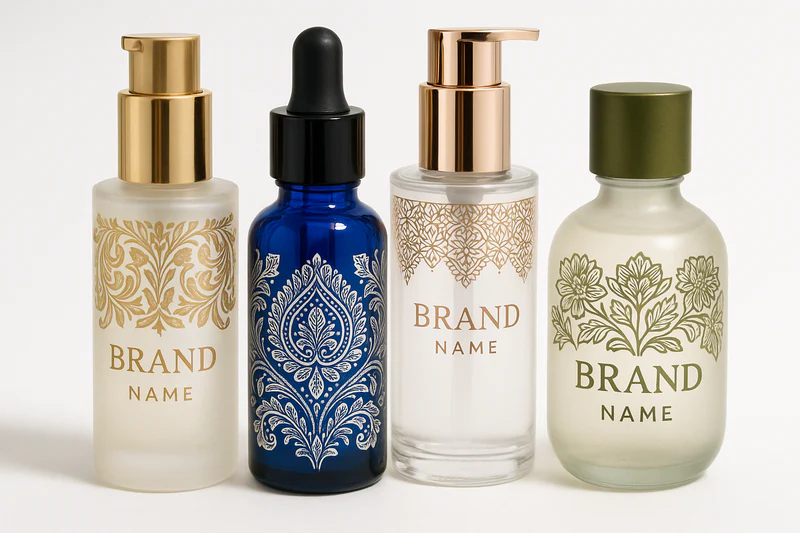
Emerging Trends in Glass Printing Technology
Several trends are shaping the future of glass decoration. These developments are driven by consumer demand for personalization, sustainability, and enhanced product experiences. Some of the most influential trends include:
- Personalization and Short Runs: Advances in digital technology allow brands to offer limited editions, custom artwork, and individualized packaging without the high costs of traditional setups.
- Sustainable Printing: Eco-friendly inks, water-based processes, and energy-efficient curing methods are reducing the environmental impact of glass decoration. These innovations align with broader industry moves toward solvent-free printing processes and responsible manufacturing.
- Functional and Tactile Effects: Raised textures, frosted finishes, and interactive elements are being used to create memorable product experiences. These effects can also improve grip and usability for glassware.
- Integration with Smart Packaging: QR codes, NFC tags, and other digital markers can be printed directly onto glass, connecting physical products with digital content and enhancing consumer engagement.
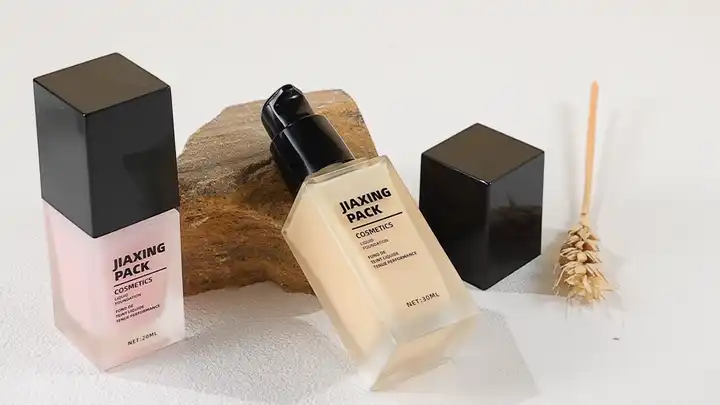
Applications Across Industries
The impact of recent innovations in glass printing extends far beyond traditional packaging. These technologies are being adopted in a variety of sectors, each with unique requirements and creative opportunities:
- Cosmetics and Fragrance: High-end bottles and jars feature intricate prints, metallic accents, and tactile finishes that enhance shelf appeal and brand identity.
- Food and Beverage: Custom-printed glassware, bottles, and jars help brands stand out and communicate product information clearly and attractively.
- Interior Design: Architectural glass panels, decorative tiles, and mirrors benefit from digital printing, enabling large-scale graphics and custom patterns for residential and commercial spaces.
- Consumer Electronics: Printed glass is used for device covers, touch panels, and displays, combining aesthetics with functional performance.
For specialty packaging needs, you might also explore what is sublimation printing for specialty packaging to see how other print technologies are evolving alongside glass decoration.
Challenges and Considerations in Adopting New Glass Printing Techniques
While the benefits are clear, adopting new glass decoration methods comes with challenges. Manufacturers must consider factors such as ink adhesion, curing times, and compatibility with different glass types. Quality control is essential to ensure consistent results, especially for products that require food safety or durability in harsh environments.
Another consideration is the investment in new equipment and training. While digital printers offer flexibility and lower minimum order quantities, the upfront costs can be significant for smaller operations. However, as technology matures and becomes more accessible, these barriers are gradually decreasing.
Staying informed about the latest glass printing innovations can help businesses make strategic decisions about when and how to upgrade their processes. For those interested in automation and the next wave of production efficiency, the article on the future of cobots in packaging decoration offers a glimpse into how robotics are reshaping the industry.
Frequently Asked Questions
What are the main advantages of digital glass printing over traditional methods?
Digital glass printing offers high-resolution imagery, faster setup, and the ability to produce short runs or variable designs without costly screens or plates. It is ideal for detailed graphics, personalization, and rapid prototyping.
How do sustainable printing practices impact glass decoration?
Eco-friendly inks, water-based processes, and energy-efficient curing reduce the environmental footprint of glass decoration. These practices support brand sustainability goals and can appeal to environmentally conscious consumers.
Can tactile and functional effects be achieved with modern glass printing?
Yes, hybrid and advanced digital techniques allow for raised textures, frosted finishes, and even interactive elements like QR codes. These effects enhance both the visual and functional qualities of glass products.
Looking Ahead: The Evolving Role of Glass Printing in Design
The rapid pace of innovations in glass printing is empowering designers and brands to push creative boundaries while meeting practical needs. As digital and sustainable technologies continue to advance, expect to see even more striking, functional, and eco-friendly glass products across industries. Staying informed and adaptable will be key for anyone looking to leverage these new possibilities in the years ahead.