
As the demand for eco-friendly solutions grows, businesses and consumers alike are rethinking how products are packaged and printed. One of the most significant advances in this area is the shift toward water-based inks for packaging applications. These inks are gaining popularity for their environmental advantages, safety, and performance, making them a preferred choice for brands committed to sustainability.
In this article, we’ll explore the key benefits of water-based inks in packaging, how they compare to traditional alternatives, and why they are becoming a cornerstone of responsible packaging practices. If you’re interested in broader strategies for eco-friendly printing, you may also want to read this guide on how to sustainable packaging printing.
Why Choose Water-Based Inks for Packaging?
Traditional inks, such as solvent-based or oil-based varieties, often contain volatile organic compounds (VOCs) and other chemicals that can be harmful to both people and the environment. In contrast, water-based inks use water as the primary solvent, significantly reducing hazardous emissions and improving workplace safety. This makes them a natural fit for sustainable packaging initiatives.
1. Reduced Environmental Impact
One of the most compelling reasons to adopt water-based inks in packaging is their minimal environmental footprint. These inks emit far fewer VOCs compared to solvent-based alternatives, leading to improved air quality and a lower carbon footprint. By choosing water-based formulations, brands can align their packaging processes with global sustainability goals and regulatory requirements.
2. Improved Safety for Workers and Consumers
Safety is a top priority in any manufacturing environment. Water-based inks are less toxic and produce fewer harmful fumes, creating a safer atmosphere for employees involved in printing and packaging. Additionally, the absence of hazardous chemicals makes these inks safer for end-users, especially in food packaging, where ink migration can be a concern.
3. Enhanced Print Quality and Versatility
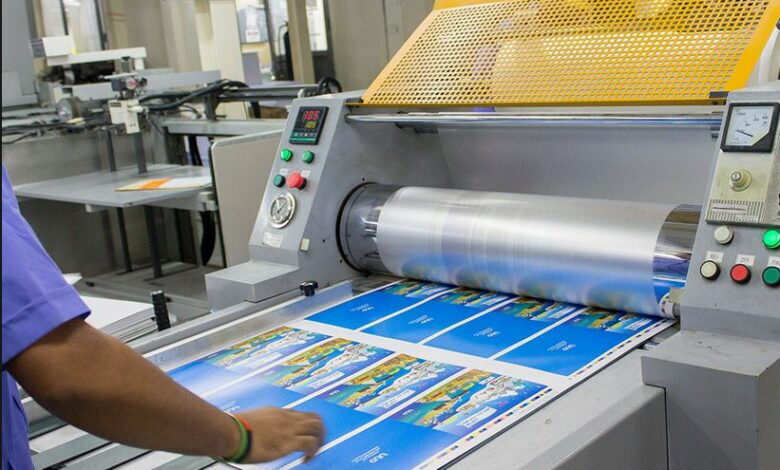
Modern water-based inks deliver vibrant colors and sharp details, rivaling or even surpassing the print quality of traditional inks. They adhere well to a variety of substrates, including paper, cardboard, and some biodegradable films, making them suitable for a wide range of packaging formats. This versatility allows brands to maintain high visual standards while supporting sustainability.
4. Compliance with Food Packaging Regulations
Food safety is a critical consideration in packaging. Water-based inks are often formulated to comply with stringent food contact regulations, reducing the risk of contamination. Their low migration properties make them ideal for printing on food wrappers, boxes, and labels, ensuring that packaging is both safe and compliant.
5. Easier Cleanup and Reduced Waste
Unlike solvent-based inks, water-based formulations can be cleaned up with simple soap and water, eliminating the need for harsh chemicals. This not only simplifies maintenance for printers but also reduces hazardous waste generation. The result is a cleaner production process and lower disposal costs.
6. Cost-Effective for Sustainable Operations
While the initial switch to water-based inks may require some adjustments, many businesses find that these inks offer long-term cost savings. Reduced regulatory compliance costs, lower waste disposal fees, and simplified cleaning processes all contribute to a more economical operation. Additionally, as demand for sustainable packaging grows, using water-based inks can enhance a brand’s reputation and marketability.

7. Supporting a Circular Economy
The use of water-based inks in packaging supports the principles of a circular economy by making recycling and composting easier. Since these inks are generally more compatible with recycling processes and less likely to introduce contaminants, they help ensure that packaging materials can be effectively recovered and reused. This contributes to a more sustainable lifecycle for packaging products.
Comparing Water-Based and Solvent-Based Inks
When evaluating ink options for sustainable packaging, it’s important to understand the differences between water-based and solvent-based inks. Solvent-based inks are known for their durability and fast drying times, but they often contain high levels of VOCs and require special handling and disposal. In contrast, water-based inks offer a safer, greener alternative with minimal environmental and health risks.
For a deeper look at digital printing trends and their impact on packaging, you can refer to this comprehensive overview of the future of digital printing in packaging.
Implementing Water-Based Inks in Your Packaging Workflow
Transitioning to water-based inks may involve some process changes, such as adjusting drying systems or selecting compatible substrates. However, the benefits—ranging from environmental responsibility to regulatory compliance—make this shift worthwhile for most businesses. For those interested in exploring other eco-friendly ink options, such as eco solvent ink for packaging, there are additional resources available.
Frequently Asked Questions
Are water-based inks suitable for all types of packaging materials?
Water-based inks work best on absorbent substrates like paper and cardboard. Advances in formulation have expanded their compatibility, but some non-porous materials may still require special primers or alternative ink systems.
How do water-based inks affect the recyclability of packaging?
These inks are generally more compatible with recycling processes than solvent-based inks. Their composition reduces the risk of contaminating recycled materials, supporting a more circular and sustainable packaging lifecycle.
What are the main regulatory considerations when using water-based inks?
Water-based inks often comply with strict food safety and environmental regulations, making them a preferred choice for food and beverage packaging. However, it’s important to verify that the specific ink formulation meets all relevant standards for your application.