
Printing on clear glass has become a cornerstone of modern packaging, branding, and interior design. Achieving crisp, high-definition results on transparent surfaces requires specialized methods and a deep understanding of the materials involved. Whether you are a manufacturer, designer, or enthusiast, mastering clear glass printing techniques can unlock new creative and commercial opportunities. This article explores the most effective processes, tips for optimal clarity, and how to avoid common pitfalls when working with glass substrates.
For those interested in learning about potential challenges, the article on common mistakes in glass printing offers valuable insights to help you avoid costly errors early in your projects.
Understanding the Challenges of Printing on Transparent Glass
Printing on clear glass is fundamentally different from working with opaque surfaces. The transparency of glass means that any imperfection, misalignment, or inconsistency in ink application will be highly visible. Achieving vibrant, sharp images requires careful surface preparation and the right selection of printing methods. Factors such as glass composition, thickness, and intended use also play a significant role in determining the best approach.
Unlike plastic or metal, glass does not absorb ink. Instead, inks and coatings must adhere to the surface, which can be challenging due to the smooth, non-porous nature of glass. This makes surface treatment and curing essential steps for long-lasting, high-definition results.
Popular Clear Glass Printing Techniques for Precision Results
Several advanced methods have been developed to achieve detailed and durable prints on glass. Below are the most widely used approaches, each with its unique advantages and ideal use cases.
Screen Printing: The Industry Standard for Glass
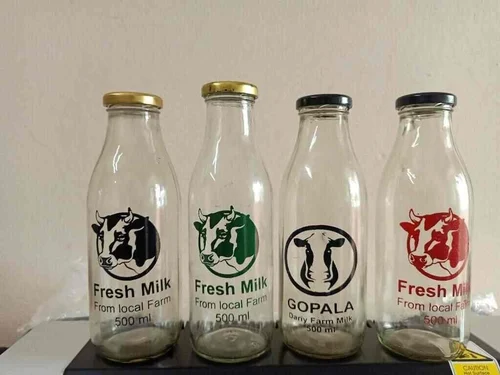
Screen printing remains the most popular method for decorating glass bottles, jars, and panels. This technique uses a mesh screen to transfer ink onto the glass surface, allowing for bold colors and precise registration. Specialized inks, such as ceramic or UV-curable types, are chosen for their adhesion and durability on glass.
For those interested in hands-on projects, screen printing kits like the Caydo set are widely available and suitable for both beginners and professionals. After viewing the following image showcasing printed glass bottles, you can find recommended tools to get started.
UV Digital Printing: High-Resolution and Versatility
UV digital printing is a modern solution that delivers photo-quality images directly onto glass. This process uses ultraviolet light to instantly cure specially formulated inks, resulting in vibrant colors and sharp details. UV printing is ideal for short runs, custom designs, and projects requiring gradients or fine text. The technology also supports variable data, making it suitable for personalized products and limited editions.
One of the main benefits of UV digital printing is its flexibility. It can handle both flat and curved glass items, including bottles, awards, and architectural panels. The instant curing process minimizes smudging and allows for quick turnaround times.
Glass Etching: Subtle, Permanent Decoration
Etching is a classic technique that produces a frosted or textured effect on glass. There are two main types: chemical etching, which uses acid creams, and abrasive blasting, which employs sand or other media. Both methods create permanent, subtle designs that are resistant to wear and washing.
Chemical etching creams, such as Armour Etch, are popular for DIY projects and small-scale production. They are easy to apply and can be used with stencils for precise patterns. For more intricate or large-scale work, sandblasting offers greater control and depth.
Pad Printing: Precision for Small and Irregular Items
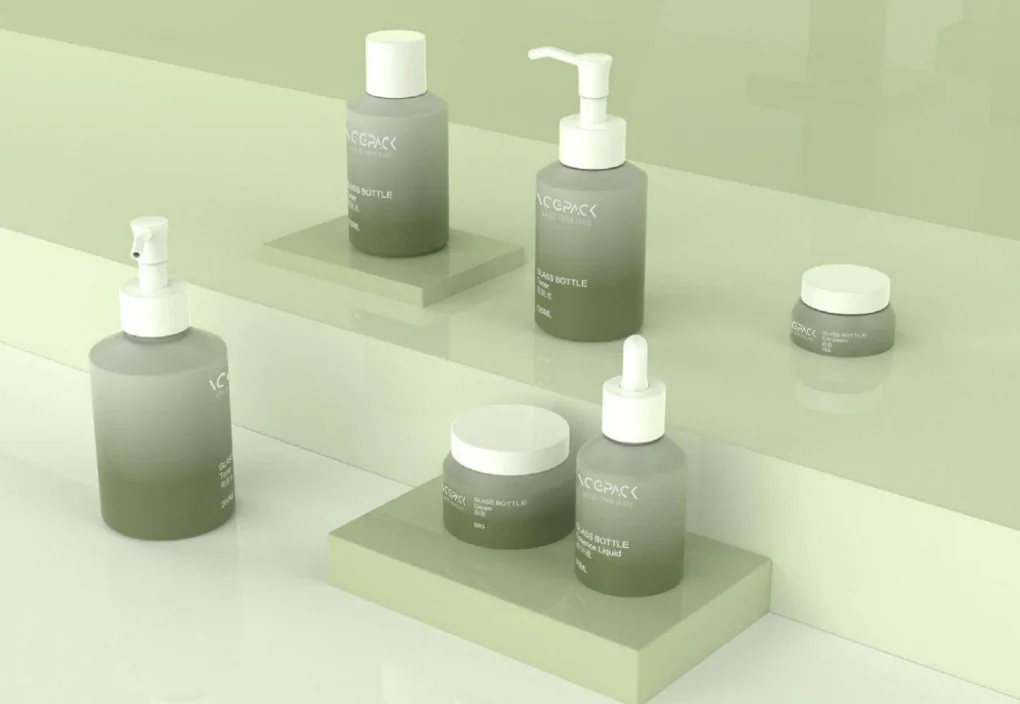
Pad printing is commonly used for objects with complex shapes, such as glassware, vials, or cosmetic containers. A silicone pad picks up ink from an etched plate and transfers it onto the glass, ensuring accurate placement even on curved or uneven surfaces. This method is ideal for logos, serial numbers, and small graphics where sharpness is critical.
Optimizing Image Quality and Durability
To achieve the best results with any glass printing process, careful attention to preparation and finishing is essential. Here are key steps to ensure clarity and longevity:
- Surface Cleaning: Remove dust, oils, and residues using alcohol or specialized cleaners. Even minor contaminants can cause ink to bead or peel.
- Pre-Treatment: Some glass types benefit from flame or plasma treatment, which increases surface energy and improves ink adhesion.
- Ink Selection: Use inks formulated specifically for glass. These often require curing by heat or UV light to achieve full hardness and resistance.
- Curing: Proper curing is vital. Under-cured inks may scratch or wash off, while over-curing can cause brittleness.
- Protective Coatings: For high-wear applications, a clear overcoat can add extra protection without affecting transparency.
Applications and Creative Possibilities
High-definition glass printing is used across a range of industries. In packaging, it provides a premium look for spirits, cosmetics, and gourmet foods. In architecture, printed glass panels are used for signage, partitions, and decorative facades. Designers are also exploring creative uses of printed glass to add unique visual effects to interiors and branded environments.
For luxury homes and commercial spaces, high end interior glass applications showcase how advanced printing can transform ordinary glass into a statement piece. The ability to combine color, texture, and transparency opens up new avenues for artistic expression and functional design.

Expert Tips for Flawless Glass Printing
- Test First: Always run a test print on a sample piece of glass to verify ink compatibility and adhesion.
- Control Environment: Print in a clean, dust-free area to prevent particles from settling on wet ink.
- Use Registration Tools: For multi-color or layered designs, precise alignment tools are essential to avoid misregistration.
- Consult with Suppliers: Work with ink and equipment suppliers who specialize in glass applications for the best technical support.
- Stay Updated: New technologies and materials are continually emerging. Explore resources like this comprehensive overview of glass printing methods for the latest industry developments.
Choosing the Right Method for Your Project
The ideal printing technique depends on your specific needs. For large production runs with simple graphics, screen printing offers speed and cost-effectiveness. For custom, high-resolution images, UV digital printing is unmatched in flexibility. Etching provides a timeless, tactile finish, while pad printing excels with small or irregularly shaped items.
Consider the following factors when selecting a process:
- Type and shape of glass item
- Design complexity and color requirements
- Durability and resistance needs
- Production volume and budget
- Environmental and safety considerations
For businesses, integrating printed glass into displays or product packaging can enhance branding. Explore more about branding opportunities with printed glass to see how companies are leveraging these techniques for maximum impact.
Frequently Asked Questions
What is the most durable method for printing on clear glass?
Screen printing with ceramic inks and proper curing is considered one of the most durable options. Chemical etching also provides permanent results, especially for items exposed to frequent handling or washing.
Can I print full-color photos on glass?
Yes, UV digital printing allows for high-resolution, full-color images on both flat and curved glass surfaces. This method is ideal for detailed graphics, gradients, and photographic reproductions.
How do I prevent ink from peeling off glass?
Proper surface cleaning, pre-treatment, and using inks specifically formulated for glass are essential. Always follow manufacturer recommendations for curing times and temperatures to ensure strong adhesion.
Are there eco-friendly options for glass printing?
Many suppliers now offer low-VOC and water-based inks for glass. UV-curable inks also reduce emissions compared to traditional solvent-based products. Always check with your supplier for the latest sustainable solutions.
Where can I learn more about advanced glass printing?
Industry resources and guides, such as the smart device glass printing article, provide in-depth information on precision coatings and emerging technologies in the field.