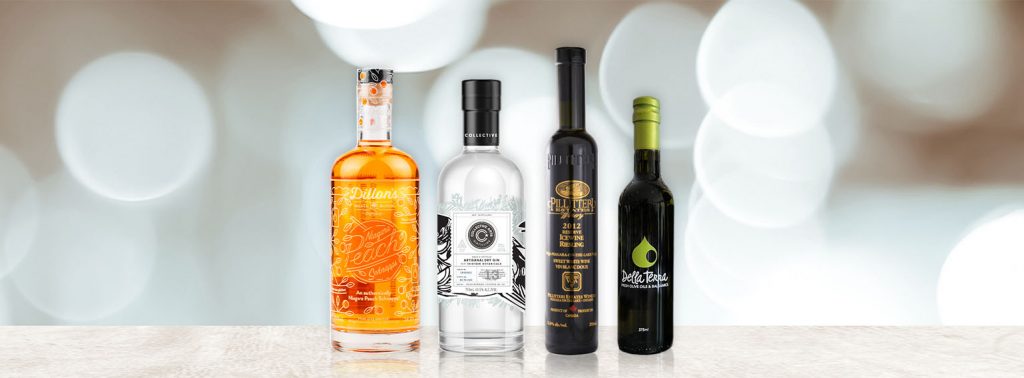

Adding color to glass surfaces can instantly transform an ordinary room into a lively, inviting environment. Whether you’re updating your home, designing a retail display, or working on a hospitality project, colored glass decoration methods offer versatile solutions for achieving bold, modern, or even subtle effects. These techniques not only enhance aesthetics but also serve practical purposes, such as improving privacy or reinforcing branding.
In this guide, we’ll explore a variety of ways to decorate glass with color, from traditional approaches to innovative printing and finishing techniques. If you’re interested in more creative glass applications, you might also enjoy our article on glass wall art ideas, which covers contemporary printed decor for interiors.
Popular Techniques for Adding Color to Glass
There are several established and emerging colored glass decoration methods that suit different budgets, project sizes, and design goals. Let’s look at the most widely used approaches:
Screen Printing and Ceramic Inks
Screen printing is a classic way to apply vibrant, opaque colors to glass surfaces. This process uses a mesh screen and squeegee to transfer ceramic inks onto the glass. The piece is then fired at high temperatures, fusing the ink to the surface for a durable, scratch-resistant finish. Screen printing is ideal for bottles, jars, architectural panels, and signage, allowing for precise logos, patterns, and text.
For those interested in DIY or small-batch projects, screen printing kits are available for home use. These kits make it easy to experiment with your own designs on glassware or decorative panels.
Etching and Frosting for Subtle Color Effects
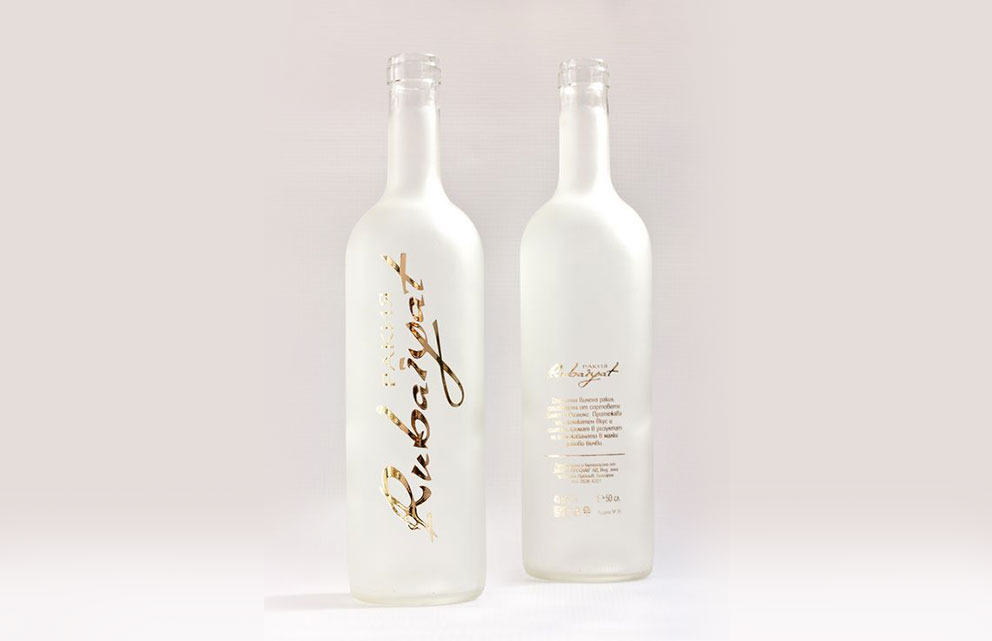
Etching and frosting are techniques that create a soft, matte finish on glass, diffusing light and adding a touch of privacy. While these methods don’t add pigment, they can be combined with colored films or paints to produce layered, multidimensional effects. Chemical etching creams are widely used for DIY projects, while sandblasting is common in commercial applications.
For a more in-depth look at privacy solutions, see our article on opaque glass printing techniques, which covers methods for creating decorative and functional glass panels.
Modern Approaches to Glass Coloration
Advancements in technology have expanded the range of colored glass decoration methods available to designers and manufacturers. Here are some of the most innovative options:
Digital Printing on Glass
Digital printing allows for high-resolution images, gradients, and complex patterns to be applied directly to glass. Specialized UV-cured inks bond to the surface, producing vivid, durable results suitable for both indoor and outdoor use. This method is perfect for custom wall art, branded displays, and architectural features.
If you’re curious about the future of glass design, check out our discussion on innovations in glass printing, which explores new technologies and creative possibilities.
Colored Films and Laminates
Applying colored films or laminates is a flexible, non-permanent way to update glass surfaces. These materials come in a wide range of hues, transparencies, and finishes, from glossy to matte. Films are popular for office partitions, retail windows, and residential projects where easy removal or updates are desired.
Some films even offer UV protection or privacy features, making them both decorative and functional.
Specialty Finishes and Decorative Accents
Beyond traditional coloring, there are specialty finishes that add luxury and depth to glass objects:
Foil Stamping and Metallic Effects
Foil stamping applies metallic or holographic foils to glass, creating eye-catching highlights and premium branding. This method is often used for cosmetic bottles, perfume packaging, and limited-edition products. The process involves transferring foil onto glass using heat and pressure, resulting in a reflective, elegant finish.

Hand Painting and Stained Glass Techniques
Hand painting remains a beloved approach for unique, artisanal glass decor. Artists use special glass paints to create intricate designs, gradients, or abstract effects. Once painted, the glass is often kiln-fired to set the colors permanently. Stained glass, with its rich history, involves assembling colored glass pieces into decorative panels using lead came or copper foil. These techniques are perfect for windows, lamps, and accent pieces that serve as focal points in any space.
Acid Etching and Sandblasting
For those seeking a more tactile finish, acid etching and sandblasting offer ways to create frosted or textured surfaces. These methods can be used alone or combined with colored paints or films for layered effects. They are especially popular for privacy panels, shower enclosures, and decorative doors.
Choosing the Right Method for Your Project
Selecting the best colored glass decoration methods depends on your specific needs, such as durability, cost, design complexity, and whether the finish should be permanent or temporary. Here’s a quick comparison:
| Method | Best For | Durability | Customization |
|---|---|---|---|
| Screen Printing | Logos, patterns, text | High | Moderate |
| Digital Printing | Photos, gradients, complex images | High | Very High |
| Colored Films | Temporary updates, privacy | Medium | High |
| Foil Stamping | Luxury packaging, accents | High | Low |
| Hand Painting | Artisanal, custom decor | Medium | Very High |
Tips for Successful Glass Decoration
- Always clean glass thoroughly before applying any decoration to ensure proper adhesion and a flawless finish.
- Test your chosen method on a small area or sample piece first, especially if you’re new to glass decoration.
- For permanent results, opt for kiln-fired or UV-cured processes. For flexibility, choose films or removable paints.
- Consider combining techniques, such as etching with colored films, for unique effects.
- Work in a well-ventilated area and follow all safety instructions, particularly when using chemicals or heat.
Where to Find Professional Glass Printing Services
If you prefer to leave the process to experts, many companies now offer advanced glass printing and finishing. For a closer look at professional solutions, visit this overview of print-on-glass services to see how commercial providers achieve vivid, long-lasting results for both small and large projects.
For more inspiration on custom wall art, don’t miss our article on photo printing on glass, which covers options for personalizing your space with high-impact visuals.
Frequently Asked Questions
What is the most durable way to add color to glass?
Screen printing with ceramic inks and digital printing with UV-cured inks are among the most durable methods. Both fuse color to the glass surface, making them resistant to scratching, fading, and washing.
Can I decorate glass at home?
Yes, many techniques such as hand painting, etching with cream, and applying colored films are suitable for DIY projects. Screen printing kits and etching creams are widely available for home use.
Are colored glass decorations safe for food and drink containers?
When decorating glassware for food or beverages, always use non-toxic, food-safe paints or inks. Commercially decorated bottles and glasses typically use certified materials and processes to ensure safety.
How do I remove colored film from glass?
Most colored films are designed to be removable. Gently lift a corner and peel away the film. Any adhesive residue can be cleaned with a glass-safe solvent or warm soapy water.
What’s the difference between stained glass and painted glass?
Stained glass uses colored glass pieces joined together, while painted glass involves applying color to the surface. Both offer unique visual effects and can be used for windows, panels, and decor.