

As digital printing continues to expand across industries, the conversation around sustainability and environmental responsibility grows more important. One area that draws attention is the eco solvent ink environmental impact. Businesses, print shops, and environmentally conscious consumers are increasingly interested in understanding how these inks compare to traditional options, what makes them “eco,” and what their real-world consequences are for the environment.
This article provides a clear look at the ecological footprint of eco solvent inks, how they differ from conventional solvents, and what to consider when choosing inks for your printing needs. For those interested in the financial side of sustainable printing, exploring eco solvent printing profit margins can also provide valuable insights.
What Sets Eco Solvent Inks Apart?
Eco solvent inks are designed as a less harmful alternative to traditional solvent-based inks. The key difference lies in the composition. While standard solvent inks use aggressive, petroleum-based chemicals that release high levels of volatile organic compounds (VOCs), eco solvent inks use milder, biodegradable solvents derived from renewable resources.
This change in formulation leads to several environmental and practical benefits:
- Lower VOC emissions, resulting in improved air quality and safer working conditions.
- Reduced odor, making them more suitable for indoor printing environments.
- Biodegradable components that break down more easily in the environment.
- Compatibility with a wide range of media, including banners, vehicle wraps, and signage.
Evaluating the Environmental Impact of Eco Solvent Inks
To fully understand the eco solvent ink environmental impact, it’s important to look at the entire lifecycle of the ink—from production and use to disposal.
Raw Material Sourcing and Production
Eco solvent inks are produced using solvents that are less hazardous and often derived from plant-based sources. This reduces the reliance on non-renewable petroleum products and lowers the carbon footprint associated with manufacturing. However, the production process still requires energy and resources, so the overall impact depends on the sourcing and efficiency of the manufacturing facility.
Usage and Indoor Air Quality
One of the most significant advantages of eco solvent inks is their effect on indoor air quality. Because they emit fewer VOCs, they pose less risk to operators and nearby personnel. This makes them a preferred choice in print shops, schools, and offices where ventilation may be limited.
For those looking to further optimize their printing setup, consider reviewing eco solvent ink print speed strategies to balance environmental benefits with productivity.
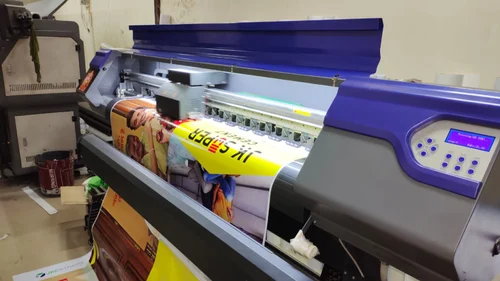
Waste Management and Biodegradability
Disposal is another area where eco solvent inks offer improvements. Their biodegradable nature means that, when managed properly, they break down more quickly and with less toxicity than traditional inks. However, it’s essential to follow local regulations for ink and cartridge disposal, as improper handling can still lead to environmental harm.
Comparing Eco Solvent Inks to Other Printing Technologies
When considering the broader landscape, eco solvent inks sit between traditional solvent inks and water-based or UV-curable inks in terms of environmental friendliness. While water-based inks are generally the least polluting, they may not offer the same durability or media compatibility as eco solvents. UV inks, meanwhile, have their own environmental considerations, such as energy use and potential chemical hazards.
For a deeper dive into the costs associated with sustainable printing, see the eco solvent ink cost overview.
Benefits and Limitations of Eco Solvent Inks
Understanding both the advantages and the limitations of eco solvent inks helps users make informed decisions.
Key Benefits
- Reduced environmental footprint compared to traditional solvent inks.
- Improved safety for operators due to lower VOCs and reduced odor.
- Good outdoor durability and weather resistance for signage and vehicle graphics.
- Versatility across a variety of substrates.
Potential Drawbacks
- Still not completely free of VOCs—some emissions remain, though at much lower levels.
- May require specialized maintenance routines for optimal performance. For tips, see maintenance tips for smoother printer operations and performance.
- Biodegradability depends on proper disposal and local waste processing capabilities.
- May be less suitable for applications requiring the absolute lowest environmental impact, such as food packaging.
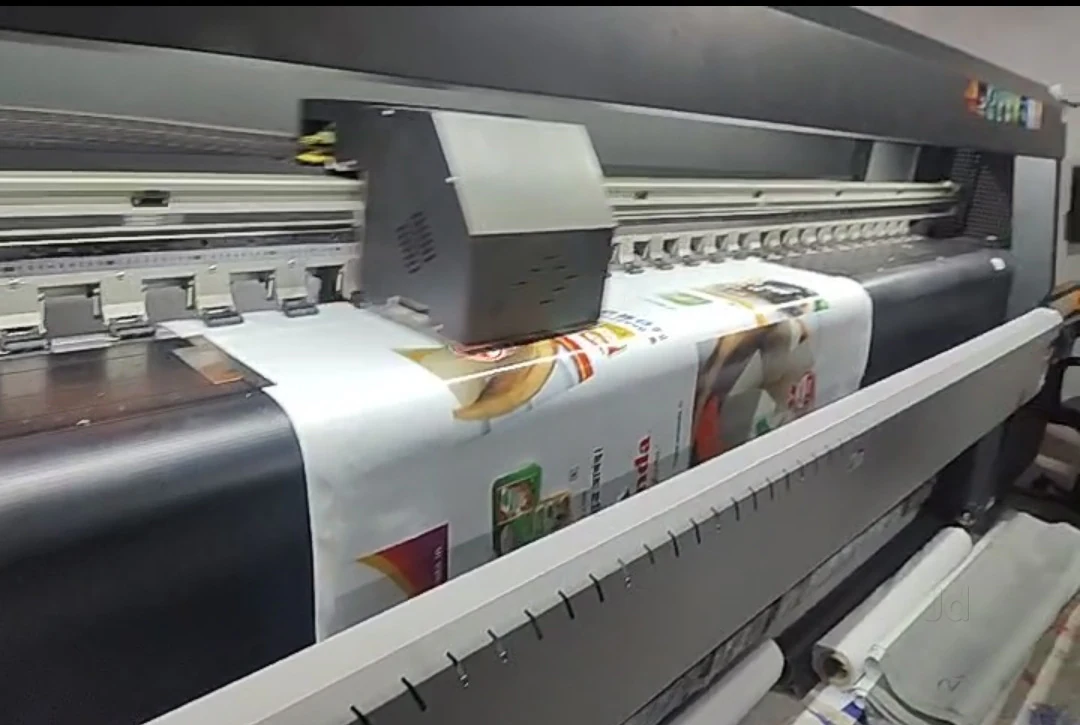
How to Minimize the Environmental Impact of Printing
While choosing eco solvent inks is a step in the right direction, there are additional measures print shops and businesses can take to further reduce their ecological footprint:
- Implement recycling programs for ink cartridges and packaging.
- Use energy-efficient printers and optimize print settings for minimal waste.
- Choose substrates that are recyclable or made from recycled materials.
- Regularly maintain equipment to prevent leaks and spills, which can contaminate water and soil.
- Train staff on best practices for sustainable printing and waste management.
For those setting up new operations, understanding the eco solvent printing startup cost can help balance sustainability with budget considerations.
Frequently Asked Questions
Are eco solvent inks completely non-toxic?
While eco solvent inks are formulated to be less hazardous than traditional solvent inks, they are not entirely non-toxic. They emit significantly lower levels of VOCs and contain milder chemicals, but safe handling and proper ventilation are still recommended.
Can eco solvent inks be used for indoor applications?
Yes, these inks are well-suited for indoor use due to their low odor and reduced emissions. They are commonly used for wall graphics, banners, and displays in offices, schools, and retail spaces.
How do eco solvent inks compare to water-based inks in terms of sustainability?
Water-based inks generally have a lower environmental impact because they contain minimal solvents and are easier to clean up. However, eco solvent inks offer better durability and media compatibility, making them a practical choice for outdoor and high-traffic applications.
What maintenance is required for printers using eco solvent inks?
Regular maintenance is important to ensure optimal performance and longevity of print heads. Using recommended cleaning solutions and following manufacturer guidelines can help prevent clogs and maintain print quality.
Conclusion
The shift toward eco solvent inks reflects a growing commitment to sustainability in the printing industry. By using inks with lower VOC emissions, biodegradable components, and improved safety profiles, businesses can reduce their environmental impact without sacrificing quality or versatility. While no ink is entirely without ecological consequences, making informed choices and adopting responsible printing practices can make a significant difference.
For those interested in color management and achieving the best results with eco solvent inks, the eco solvent ink icc profiles setup guide is a helpful resource.