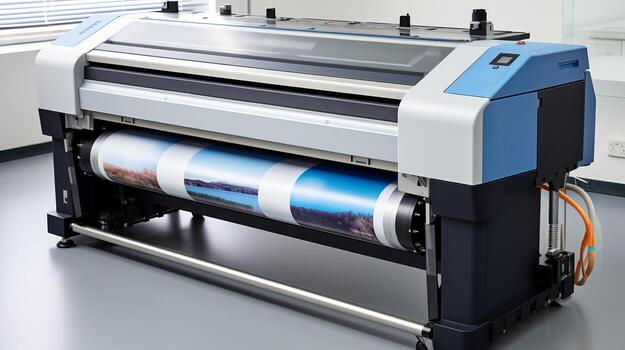

Starting a business in wide-format printing with eco solvent technology is an attractive option for entrepreneurs seeking to enter the signage, graphics, or custom print markets. Understanding the eco solvent printing startup cost is crucial for planning, budgeting, and ensuring a smooth launch. This guide provides a detailed look at the main expenses involved, from equipment and supplies to setup and ongoing operational costs. Whether you’re considering a small print shop or a larger production facility, having a clear financial roadmap will help you make informed decisions and avoid unexpected surprises.
Before diving into the details, it’s helpful to compare eco solvent printing with other ink technologies. For a comprehensive analysis of how eco solvent stacks up against UV-based systems, see this in-depth eco solvent ink vs uv ink comparison.
Key Factors Influencing Initial Investment
The total outlay for launching an eco solvent print shop depends on several core factors. These include the scale of your operation, the type and size of equipment you select, your location, and the range of services you plan to offer. Below, we break down the main categories that contribute to your startup budget.
- Printer selection: Entry-level models cost less but may limit production speed or print width.
- Workspace requirements: Renting or purchasing a suitable facility adds to upfront costs.
- Material and supply inventory: Stocking up on media, inks, and consumables is essential for smooth operations.
- Finishing equipment: Laminators, cutters, and trimmers may be necessary depending on your product offerings.
- Software and computers: Design and RIP software, as well as capable computers, are required for professional output.
- Training and setup: Initial training and installation services can be a significant but worthwhile investment.
Breakdown of Major Startup Expenses
Let’s explore each major cost category in detail to give you a realistic sense of what to expect when budgeting for an eco solvent print business.
Eco Solvent Printer: The Core Investment
The largest portion of your initial budget will go toward the printer itself. Entry-level eco solvent printers suitable for small shops typically range from $5,000 to $12,000. Mid-range models with higher speeds and wider print widths can cost between $15,000 and $25,000. High-end, production-grade machines may exceed $30,000.
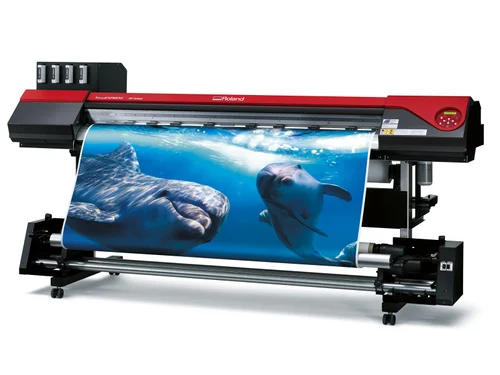
When choosing a printer, consider not just the purchase price but also the manufacturer’s support, warranty, and the availability of replacement parts. Some brands offer bundled deals that include starter inks or media, which can help reduce your initial outlay.
Workspace and Facility Costs
Renting a commercial space is another significant component of your startup budget. Costs vary widely by region and size, but a small workshop or storefront may start at $500 to $2,000 per month. If you plan to operate from home or a garage, you can save on rent, but ensure your workspace meets ventilation and safety requirements for solvent-based printing.
Don’t forget to budget for utilities, insurance, and any necessary renovations or upgrades to accommodate your equipment.
Media, Inks, and Consumables
Stocking up on printable media (vinyl, banners, canvas, etc.) and eco solvent inks is essential. Initial inventory for a small operation may cost $1,000 to $3,000, depending on the variety and volume you need. Ongoing supply expenses will scale with your production volume.
For a deeper understanding of how eco solvent inks compare to other technologies, you might also be interested in the eco solvent ink vs solvent ink guide.
Finishing Equipment and Accessories
To offer a full range of products, you’ll likely need finishing tools such as laminators, trimmers, and cutting plotters. Entry-level laminators start around $800, while professional models can exceed $3,000. A basic vinyl cutter may cost $400 to $1,500.
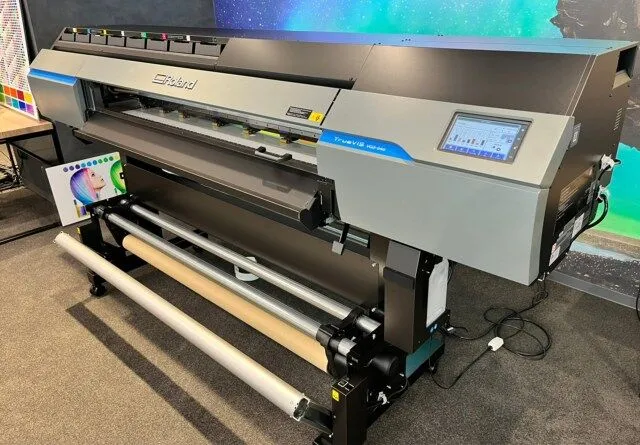
Additional accessories, such as work tables, storage racks, and safety gear, should also be factored into your budget. These items can add another $500 to $2,000 to your initial costs.
Software, Computers, and Design Tools
Professional printing requires robust design and workflow software. A capable computer and monitor may cost $1,000 to $2,000. Design software (such as Adobe Creative Cloud) and RIP (Raster Image Processor) software can add $500 to $2,000 annually, depending on your licensing needs.
Training, Setup, and Miscellaneous Costs
Investing in training for yourself and any staff is highly recommended, especially if you’re new to large-format printing. Training sessions, installation, and calibration services may cost $500 to $2,500. Miscellaneous expenses, such as business registration, marketing materials, and signage, can add another $500 to $1,500.
Sample Startup Budget Table
| Expense Category | Estimated Cost Range (USD) |
|---|---|
| Eco Solvent Printer | $5,000 – $25,000+ |
| Workspace/Facility | $500 – $2,000/month |
| Media & Inks Inventory | $1,000 – $3,000 |
| Finishing Equipment | $1,200 – $4,500 |
| Computers & Software | $1,500 – $4,000 |
| Training & Setup | $500 – $2,500 |
| Miscellaneous | $500 – $1,500 |
Ongoing Operational Expenses
Beyond the initial investment, running an eco solvent print business involves recurring costs. These include:
- Media and ink replenishment
- Equipment maintenance and repairs
- Utility bills (electricity, ventilation, internet)
- Staff wages (if applicable)
- Marketing and advertising
- Software subscriptions
Regular maintenance is vital for print quality and equipment longevity. For tips on keeping your system in top shape, see the cleaning cycles in latex printing guide.
Tips for Reducing Startup and Running Costs
Careful planning can help you minimize your initial and ongoing expenses. Here are some practical strategies:
- Start with essential equipment and add more as your business grows.
- Negotiate with suppliers for bulk discounts on media and inks.
- Consider purchasing gently used or refurbished printers and finishing tools from reputable sources.
- Invest in training to reduce costly mistakes and maximize productivity.
- Explore leasing options for high-cost equipment to preserve cash flow.
For a deeper dive into the differences between ink technologies and how they impact costs, you can read this detailed comparison of UV ink and eco solvent ink.
Frequently Asked Questions
What is the minimum budget required to start an eco solvent printing business?
For a small-scale operation, you can expect to invest at least $10,000 to $15,000 for essential equipment, supplies, and setup. Larger or more advanced shops may require $25,000 or more.
Are there hidden costs in eco solvent printing startups?
Some often-overlooked expenses include facility upgrades for ventilation, insurance, software subscriptions, and regular maintenance. It’s important to budget for these to avoid surprises.
How does eco solvent printing compare to other printing technologies in terms of cost?
Eco solvent systems typically have a lower entry cost than UV printers but may be more expensive than basic aqueous inkjet setups. They offer a balance of durability, media compatibility, and affordability. For a comprehensive look at the differences, see the eco solvent ink vs uv ink article.
What ongoing maintenance is required for eco solvent printers?
Regular cleaning cycles, nozzle checks, and occasional part replacements are necessary to maintain print quality and prevent downtime. For more details, refer to the nozzle check for latex printers guide, which covers similar maintenance principles.
Conclusion
Launching an eco solvent print shop requires careful budgeting and a clear understanding of all associated costs. By breaking down the eco solvent printing startup cost into its key components—equipment, workspace, supplies, and ongoing expenses—you can plan effectively and set your business up for success. Take the time to compare equipment, negotiate with suppliers, and invest in training to maximize your return on investment and build a sustainable, profitable operation.