

The world of industrial signage demands vibrant, durable, and environmentally conscious solutions. Eco solvent ink for industrial signage has become a preferred choice for businesses seeking high-quality prints that withstand harsh conditions while minimizing environmental impact. This guide explores the essentials of eco solvent inks, their advantages for large-scale signage, and practical considerations for professionals and businesses.
Whether you manage a print shop, oversee facility branding, or are researching sustainable printing options, understanding how eco solvent technology fits into industrial signage production can help you make informed decisions. We’ll cover what sets these inks apart, their compatibility with different materials, and how they compare to other ink types.
For those interested in broader applications, you may also want to explore our eco solvent ink industrial applications resource, which covers additional use cases beyond signage.
Understanding Eco Solvent Inks in Signage Production
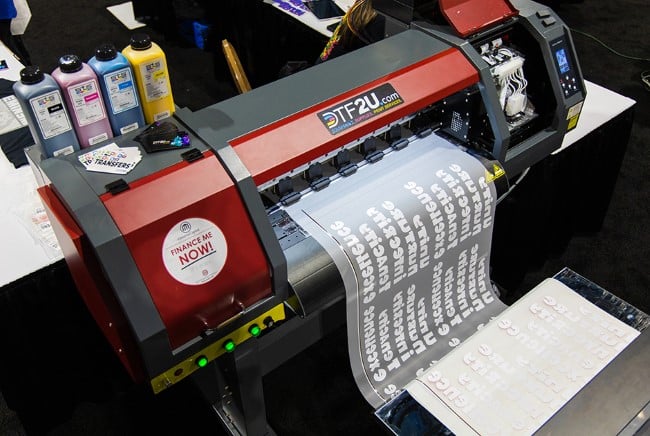
Eco solvent inks are a type of mild-solvent ink formulated to be less harmful to the environment and operators compared to traditional solvent inks. They are commonly used in wide-format printers for producing banners, billboards, vehicle wraps, and other forms of industrial signage.
The main difference between eco solvent and standard solvent inks lies in their chemical composition. Eco solvent formulations use biodegradable solvents derived from ether extracts, which emit significantly fewer volatile organic compounds (VOCs). This makes them a safer choice for indoor and outdoor signage, especially in environments where air quality and safety regulations are strict.
Key Benefits of Eco Solvent Ink for Industrial Signage
- Durability: Prints created with eco solvent ink are resistant to fading, water, and abrasion. This makes them suitable for long-term outdoor use, even in challenging weather conditions.
- Vivid Colors: These inks deliver rich, vibrant colors that enhance the visual impact of signage, helping businesses attract attention and communicate messages clearly.
- Environmental Safety: With lower VOC emissions and reduced odor, eco solvent inks are safer for workers and the environment. They are often used in settings where traditional solvent inks would be unsuitable.
- Material Compatibility: Eco solvent inks adhere well to a wide range of substrates, including vinyl, PVC, banners, and certain coated fabrics, making them versatile for various signage applications.
- Cost-Effectiveness: While the initial investment in compatible printers and inks may be higher, the long lifespan and reduced maintenance needs often result in lower overall costs.
Comparing Eco Solvent Inks to Other Industrial Printing Solutions
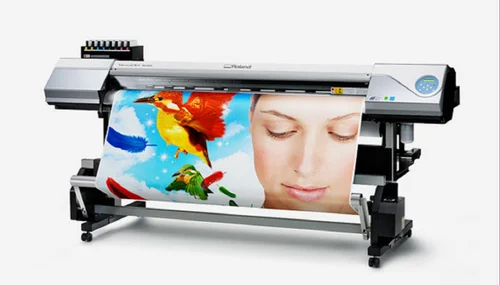
When choosing an ink for industrial signage, it’s important to compare eco solvent options with other popular ink types such as traditional solvent, UV-curable, and aqueous inks.
| Ink Type | Durability | Environmental Impact | Material Compatibility | Typical Use |
|---|---|---|---|---|
| Eco Solvent | High | Low VOC, less hazardous | Vinyl, PVC, banners, some fabrics | Indoor & outdoor signage |
| Traditional Solvent | Very High | High VOC, hazardous | Wide range, especially uncoated vinyl | Billboards, vehicle wraps |
| UV-Curable | Excellent | Low VOC, energy-intensive | Almost any substrate | Specialty, rigid signage |
| Aqueous | Moderate | Very low VOC | Papers, coated materials | Indoor posters, displays |
As shown above, eco solvent ink for industrial signage offers a strong balance of durability, environmental safety, and substrate versatility, making it a popular choice for both indoor and outdoor applications.
Applications and Material Compatibility
One of the strengths of eco solvent ink technology is its ability to bond with a variety of materials commonly used in industrial signage. These include:
- Self-adhesive vinyl: Ideal for vehicle graphics, window decals, and wall wraps.
- PVC banners: Used for outdoor advertising, event signage, and trade show displays.
- Backlit films: Suitable for illuminated signage and lightboxes.
- Coated fabrics: Some eco solvent inks are compatible with specialty textiles for soft signage.
For those interested in printing on textiles, our article on can eco solvent ink print on fabric provides more details on fabric compatibility and best practices.
Print Quality and Longevity in Harsh Environments
Industrial signage often faces exposure to sunlight, rain, wind, and pollution. Eco solvent inks are engineered to deliver prints that remain vivid and legible over time, even in demanding outdoor settings. The ink’s chemical structure allows it to penetrate and bond with the substrate, resulting in high resistance to fading and scratching.
While these inks are highly durable, some applications may benefit from additional protection. For example, lamination can further extend the lifespan of outdoor signs. If you are considering whether to laminate your prints, see our comprehensive does eco solvent ink need lamination guide.
Printer Compatibility and Maintenance Tips
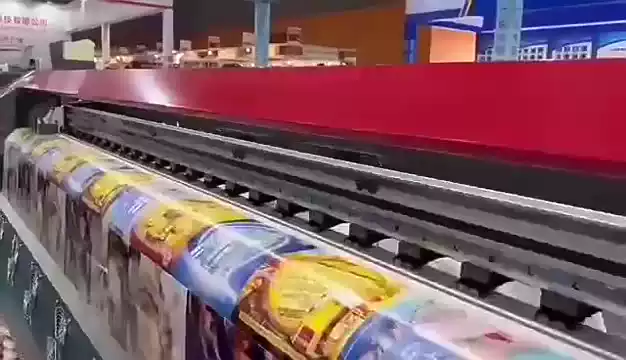
Not all printers are designed to work with eco solvent inks. Wide-format printers from leading brands often specify which ink types are supported. Before switching inks, always check the manufacturer’s recommendations to avoid damaging printheads or voiding warranties.
- Use only recommended cleaning solutions and maintenance routines for eco solvent-compatible printers.
- Store ink cartridges and bottles in a cool, dry place to maintain quality.
- Regularly perform nozzle checks and printhead cleanings to prevent clogging.
- Calibrate your printer for optimal color accuracy; see our eco solvent ink print calibration guide for step-by-step instructions.
Environmental Considerations and Industry Standards
As sustainability becomes a higher priority, many organizations are adopting eco solvent inks to reduce their environmental footprint. These inks help businesses comply with stricter air quality and workplace safety regulations, especially in urban or enclosed environments.
For a deeper dive into the chemistry and environmental impact of these inks, see this detailed overview of eco solvent digital ink.
Frequently Asked Questions
What makes eco solvent ink different from traditional solvent ink?
Eco solvent ink uses milder, biodegradable solvents that emit fewer VOCs and are less hazardous to both users and the environment. While traditional solvent inks offer high durability, they can be more toxic and require extensive ventilation.
Can eco solvent ink be used for both indoor and outdoor signage?
Yes, these inks are suitable for a wide range of applications, including both indoor and outdoor signage. Their resistance to fading, water, and abrasion makes them ideal for environments exposed to weather and sunlight.
Do prints made with eco solvent ink require lamination?
While eco solvent prints are highly durable, lamination can provide extra protection against UV rays, scratches, and chemicals. For some high-traffic or outdoor applications, lamination is recommended to maximize longevity.
What materials are compatible with eco solvent inks?
Common substrates include self-adhesive vinyl, PVC banners, backlit films, and some coated fabrics. Always check the manufacturer’s specifications for compatibility with your chosen material.
How do I maintain my printer when using eco solvent inks?
Regular maintenance includes using the correct cleaning solutions, storing inks properly, and performing routine nozzle checks and printhead cleanings. Proper calibration ensures consistent print quality and extends equipment life.
Conclusion
Choosing eco solvent ink for industrial signage offers a practical, sustainable, and cost-effective solution for producing high-impact graphics that last. By understanding the benefits, applications, and maintenance requirements, businesses can achieve professional results while supporting environmental goals. For more on large-format printing and advanced techniques, see our eco solvent ink large format printing guide.




