

Understanding how eco solvent inks perform outdoors is essential for anyone involved in wide-format printing, signage, or vehicle graphics. The durability of prints exposed to sun, rain, and fluctuating temperatures depends heavily on the ink’s formulation and its ability to resist environmental stress. This guide explores the factors that influence eco solvent ink weather resistance, what makes these inks suitable for demanding conditions, and how to maximize their longevity in real-world applications.
Whether you’re a print service provider, a designer, or a business owner considering eco solvent prints for outdoor use, knowing the science behind their resilience can help you make informed choices. For those interested in the technical side, the eco solvent ink chemical composition guide offers a deeper look at the ingredients that contribute to weatherproof performance.
What Makes Eco Solvent Inks Suitable for Outdoor Use?
The popularity of eco solvent inks in outdoor advertising and signage is largely due to their robust weather resistance. Unlike water-based inks, eco solvent formulations use mild, biodegradable solvents that help pigments adhere strongly to a variety of substrates, including vinyl, banner materials, and self-adhesive films.
- UV Resistance: These inks are engineered to withstand prolonged exposure to sunlight, reducing the risk of fading and color shift.
- Water Repellency: Once cured, eco solvent prints become water-resistant, making them ideal for rainy or humid environments.
- Scratch and Abrasion Protection: The ink forms a durable layer that resists scratches, scuffs, and general wear from handling or cleaning.
- Chemical Stability: Eco solvent inks are less likely to react with pollutants or cleaning agents, preserving print quality over time.
These properties make eco solvent prints a preferred choice for billboards, vehicle wraps, outdoor banners, and window graphics. For a step-by-step overview of maintaining ink performance, see the eco solvent ink refill guide.
Key Factors Affecting Eco Solvent Ink Weather Resistance
While eco solvent inks are designed for durability, several factors influence how well they hold up against the elements. Understanding these can help you optimize both print quality and lifespan.
1. Ink Formulation and Pigment Quality
The core of eco solvent ink weather resistance lies in its formulation. High-quality pigments are less prone to fading and provide better coverage. Advanced formulations may also include UV absorbers or stabilizers that further enhance resistance to sunlight and ozone.
For those interested in the science behind these inks, the eco solvent ink formulation guide explains how different ingredients contribute to outdoor performance.
2. Substrate Compatibility
The surface you print on matters. Some substrates, like high-grade vinyl, offer better adhesion and longer-lasting results. Lower-quality materials may not bond as well with the ink, leading to premature peeling or fading. Always match your ink to the recommended substrate for optimal results.
3. Curing and Drying Processes
Proper curing is essential for maximum durability. Eco solvent inks require adequate time to dry and bond with the substrate. Insufficient drying can leave prints vulnerable to smudging, water damage, or reduced UV resistance. Most printers use controlled heating systems to accelerate this process and ensure consistent results.
4. Environmental Exposure
The intensity and duration of exposure to sunlight, rain, wind, and pollutants will ultimately determine how long prints last outdoors. In regions with high UV levels or frequent storms, even the best inks may eventually show signs of wear. Regular maintenance and strategic placement can help extend the life of outdoor graphics.
Enhancing Durability: Lamination and Protective Coatings
While eco solvent inks are inherently tough, adding a layer of lamination or a protective coating can significantly boost their resistance to weather and physical damage. Laminates shield prints from UV rays, moisture, and abrasion, making them ideal for high-traffic or harsh environments.
For detailed advice on choosing and applying laminates, refer to the eco solvent ink lamination guide. This resource covers types of laminates, application tips, and how to avoid common pitfalls.
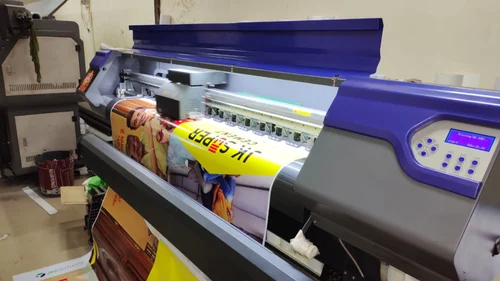
Real-World Applications of Weather-Resistant Eco Solvent Prints
The versatility of eco solvent inks extends across a wide range of outdoor uses. Their ability to maintain color vibrancy and adhesion under tough conditions makes them a mainstay in advertising, branding, and information displays.
- Billboards and Banners: Large-format prints that must endure sun, wind, and rain for months or years.
- Vehicle Wraps: Graphics applied to cars, buses, and trucks, exposed to road grime, washing, and UV rays.
- Window and Wall Graphics: Outdoor-facing displays that require both visual impact and resilience.
- Transit and Fleet Advertising: Mobile signage that faces constant environmental challenges.
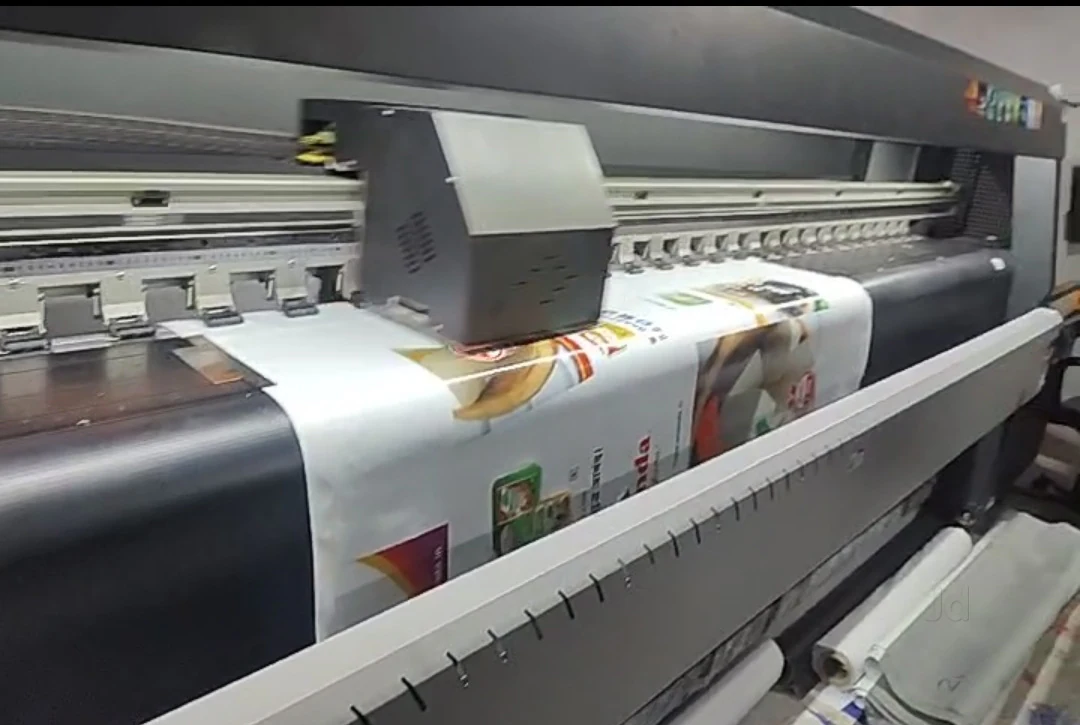
Maintenance Tips for Prolonged Outdoor Performance
Even the most robust prints benefit from regular care. Simple maintenance can help preserve both appearance and structural integrity:
- Clean prints gently with mild soap and water; avoid harsh chemicals that could degrade the ink or substrate.
- Inspect for signs of peeling, fading, or abrasion, especially after severe weather events.
- Reapply protective coatings or replace laminates as needed to maintain optimal protection.
- Store unused prints in a cool, dry place away from direct sunlight.
For more advice on keeping your printing equipment in top shape, see these maintenance tips for smoother printer operations and performance.
Advances in Eco Solvent Ink Technology
Recent innovations have further improved the weather resistance of eco solvent inks. Nano pigment technology, for example, enhances color stability and penetration, resulting in even longer-lasting prints. To learn more about these advancements, the eco solvent ink nano pigment guide provides insights into how these tiny particles make a big difference in outdoor durability.
Frequently Asked Questions
How long do eco solvent prints last outdoors?
With proper substrate selection and lamination, eco solvent prints can last from 2 to 5 years outdoors, depending on environmental exposure and maintenance. High UV areas or harsh climates may reduce this lifespan, while protected or shaded locations can extend it.
Are eco solvent inks waterproof?
Yes, once fully cured, eco solvent inks are water-resistant and suitable for outdoor use. However, for maximum protection against prolonged moisture or submersion, adding a laminate or clear coat is recommended.
Can I use eco solvent inks on any material?
These inks are compatible with a wide range of coated and uncoated materials, but best results are achieved on substrates specifically designed for solvent printing, such as vinyl and banner fabrics. Always check manufacturer recommendations to ensure optimal adhesion and durability.
Do I need to laminate all eco solvent prints?
While not always required, lamination is highly recommended for prints exposed to heavy wear, frequent cleaning, or extreme weather. It extends the life of the print and enhances resistance to fading, scratching, and moisture.