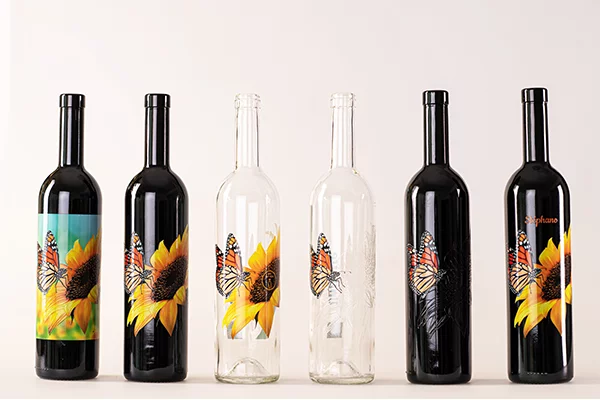

Achieving glass printing color accuracy is essential for brands, designers, and manufacturers who want their printed glass products to reflect the intended look and feel. Whether you’re producing luxury packaging, custom wall art, or architectural panels, getting colors to appear vibrant and true-to-design on glass can be challenging. This article explores the key factors that influence color fidelity, the technologies available, and practical steps you can take to ensure your printed glass matches your creative vision.
From understanding the science behind ink and substrate interaction to choosing the right printing process, color management is a critical part of any glass decoration project. If you’re interested in how contemporary artists and designers use glass as a canvas, you may also want to explore glass wall art ideas for inspiration and practical tips.
Understanding the Challenges of Color Reproduction on Glass
Printing on glass presents unique challenges compared to paper or plastic. Glass is non-porous, transparent or translucent, and can have a natural tint. These properties affect how inks adhere, cure, and ultimately how colors appear to the eye. The following factors play a significant role in achieving accurate color results:
- Substrate Transparency: Clear glass allows light to pass through, which can dilute or alter the perceived color intensity.
- Glass Tint: Many glass types have a slight green or blue tint, which can shift the appearance of printed colors.
- Ink Opacity: Opaque inks are often needed for vibrant results, especially for light or pastel shades.
- Layering: Multiple ink layers or a white underbase may be required to achieve solid, consistent colors.
- Curing Process: UV curing or thermal processes can affect ink color and adhesion.
Understanding these variables is the first step toward controlling and predicting the final outcome of your printed glass project.
Technologies for Enhanced Glass Printing Color Accuracy
Advancements in printing technology have made it easier to achieve precise color matching on glass. Here are some of the most common methods used today:
UV Digital Printing
UV digital printing is a popular choice for custom glass decoration. This process uses UV-curable inks that are instantly hardened by ultraviolet light. The result is sharp, durable prints with excellent color retention. UV printing also allows for high-resolution images and gradients, making it ideal for detailed artwork or photographic reproduction.
For a deeper dive into this technology, check out UV digital printing on glass for technical details and application examples.
Screen Printing
Screen printing remains a standard for large production runs and bold, solid colors. Specialized ceramic or organic inks are pushed through a mesh screen onto the glass surface. This method is highly effective for producing consistent, repeatable colors, especially when using opaque inks and a white base layer.
Direct-to-Glass Inkjet Printing
Direct-to-glass inkjet systems offer flexibility for short runs and complex designs. These printers can apply multiple ink layers, including white, to boost color vibrancy and coverage. Color management software helps maintain consistency across batches and substrates.
Etching and Frosting
While not a color process per se, etching and frosting can be combined with color printing to create unique visual effects. These techniques diffuse light and soften colors, adding depth and texture to the finished product.
Best Practices for Achieving Consistent Color Results
To ensure your printed glass matches your expectations, consider the following best practices:
- Color Profiling: Work with a printer who uses ICC color profiles and calibrated equipment to translate digital designs into accurate prints.
- Proofing: Request physical samples or proofs before full production. This allows you to see how colors appear on your specific glass substrate.
- White Underbase: For transparent or colored glass, printing a white ink layer beneath the color can dramatically improve vibrancy and opacity.
- Ink Selection: Choose inks formulated for glass, considering factors like UV resistance, scratch durability, and food safety if applicable.
- Lighting Conditions: Evaluate color samples under the same lighting conditions as the final installation or use environment.
- Consistent Substrates: Use glass from the same batch or supplier to minimize tint and thickness variations.
These steps help minimize surprises and ensure your finished product aligns with your original vision.
Color Management in Custom and Industrial Glass Printing
Color management is not just about technology—it’s also about process control and communication. Here’s how to optimize your workflow:
Design File Preparation
Start with high-resolution, color-managed files. Use vector graphics for logos and text, and embed color profiles in raster images. Clearly specify Pantone or CMYK values for critical brand colors.
Collaboration with Printers
Share your expectations and reference samples with your print provider. Discuss any concerns about glass tint, ink coverage, or special effects. Experienced printers can recommend adjustments to artwork or process to achieve the best results.
Quality Control and Batch Consistency
Implement a quality control process to check color consistency across production runs. This is especially important for large projects or repeat orders. Document settings and materials used for future reference.
For more on how new technologies are shaping the industry, see innovations in glass printing for a look at the latest trends and breakthroughs.
Applications and Creative Possibilities
With accurate color reproduction, the creative possibilities for glass printing expand dramatically. Here are a few applications where color fidelity is especially important:
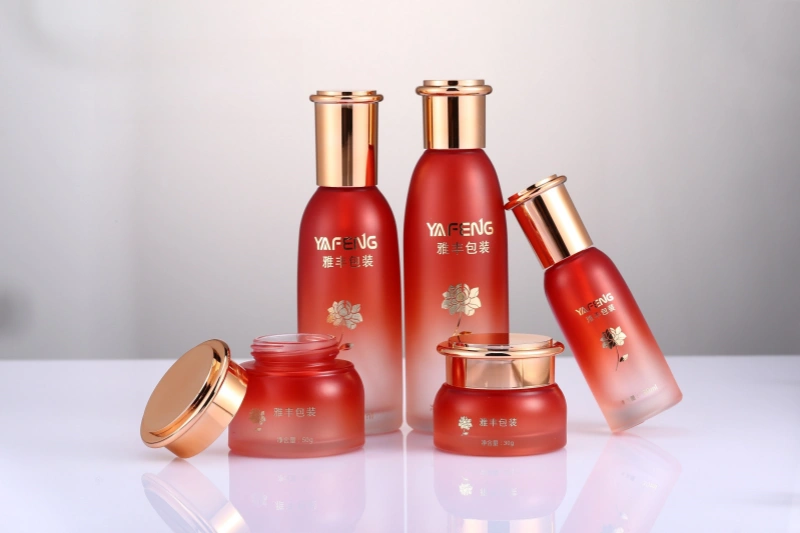
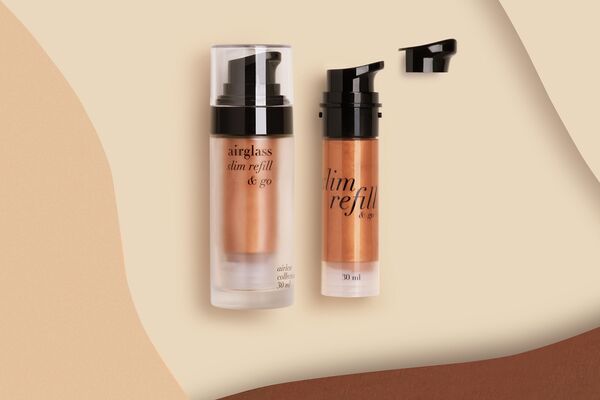
- Luxury Packaging: Perfume bottles, cosmetic jars, and spirits packaging demand precise brand colors and high-impact graphics.
- Architectural Glass: Decorative panels, privacy screens, and signage rely on consistent hues and opacity for visual impact and privacy.
- Memorial Products: Custom-printed glass tributes require faithful reproduction of photos and text. Learn more about this application in printed glass memorial products.
- Wall Art and Decor: Artists and designers use glass as a medium for vibrant, long-lasting artwork. Explore photo printing on glass for ideas on creating custom wall art with true-to-life colors.
- Functional Glassware: Drinkware, awards, and branded merchandise benefit from durable, dishwasher-safe color prints.
Frequently Asked Questions
How can I ensure my brand colors are accurately reproduced on glass?
Work with a print provider who uses color management tools, such as ICC profiles and calibrated equipment. Always request physical proofs and specify Pantone or CMYK values for critical colors. Using a white underbase on transparent glass can also help maintain color integrity.
What printing method offers the best color accuracy for glass?
UV digital printing provides excellent color control and is suitable for detailed graphics and gradients. For solid, repeatable colors in large runs, screen printing with opaque inks and a white base is highly effective. The best method depends on your design, quantity, and performance requirements.
Does the type of glass affect printed color results?
Yes, the natural tint, thickness, and transparency of the glass can all influence how colors appear. Using glass from the same supplier and batch helps ensure consistency. Your print provider can help adjust artwork or ink selection to compensate for any substrate variations.