
The demand for high resolution glass printing has grown rapidly, driven by industries seeking visually striking, durable, and customizable glass products. From luxury packaging and architectural panels to branded displays and smart device coatings, the ability to print sharp, vivid details on glass opens up new creative and commercial possibilities. This article explores the essential techniques, benefits, and applications of advanced glass printing, offering practical insights for businesses, designers, and anyone interested in this innovative process.
Before diving into the technical aspects and methods, it’s important to understand how precision printing on glass differs from traditional approaches. The process requires specialized equipment, materials, and expertise to ensure that colors remain vibrant, lines stay crisp, and the final product stands up to handling and environmental exposure.
For those interested in avoiding common pitfalls, our guide on common mistakes in glass printing provides practical tips to help ensure the best results from your projects.
What Sets High Quality Glass Printing Apart?
Achieving exceptional detail and color accuracy on glass requires more than just a standard printer and ink. The process involves several key factors:
- Surface Preparation: Glass must be meticulously cleaned and sometimes treated to ensure ink adhesion and prevent smudging or fading.
- Specialized Inks: UV-curable, ceramic, or organic inks are formulated to bond with glass, providing durability and resistance to scratching or washing.
- Advanced Printing Methods: Techniques such as digital UV printing, screen printing, and ceramic decal transfer allow for precise reproduction of images, gradients, and fine text.
- Color Management: Accurate color profiling and calibration are essential for maintaining consistency across batches and substrates.
These elements combine to produce glass items with sharp, consistent, and visually appealing results that stand out in both commercial and artistic applications.
Popular Techniques for Achieving Vivid Detail
There are several established and emerging methods for printing on glass, each with its own advantages and best-use scenarios. Here are the most common approaches for producing high-resolution results:
Digital UV Printing
This method uses ultraviolet light to instantly cure specially formulated inks as they are applied to the glass surface. Digital UV printing is highly versatile, supporting full-color images, gradients, and even white ink for opaque or layered effects. It is ideal for short runs, prototyping, and projects requiring intricate detail or variable data.
For a deeper dive into the leading processes, the article on top three methods of glass printing offers a comprehensive overview of the most effective techniques in the industry.
Screen Printing for Glass
Screen printing remains a popular choice for larger production runs and applications where durability is paramount. Using fine mesh screens and squeegees, this technique can deposit thick, opaque layers of ink or ceramic frit onto the glass. While traditionally limited to simpler graphics, advances in screen technology now allow for finer lines and more vibrant colors than ever before.
Ceramic Decal Transfer
This process involves printing designs onto special transfer paper using ceramic inks, which are then applied to the glass and fired in a kiln. The result is a permanent, scratch-resistant image that can withstand repeated washing and exposure to heat. Ceramic decal transfer is commonly used for glassware, tiles, and decorative panels where longevity and vivid color are essential.
Applications and Benefits of Precision Glass Printing
High-definition glass printing is transforming a range of industries. Some of the most notable applications include:
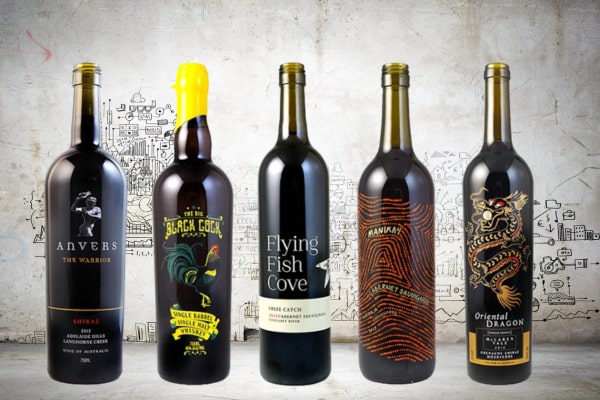
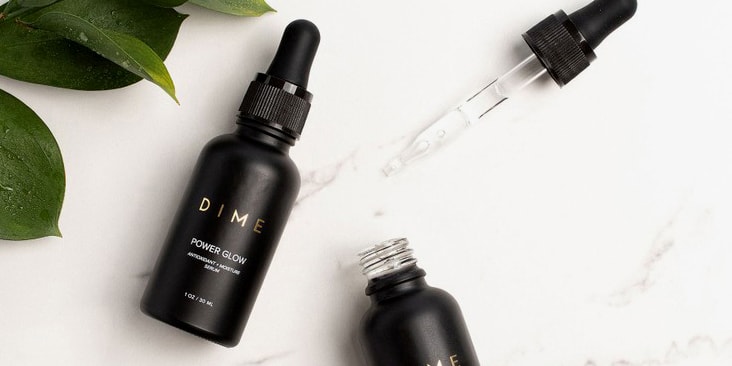
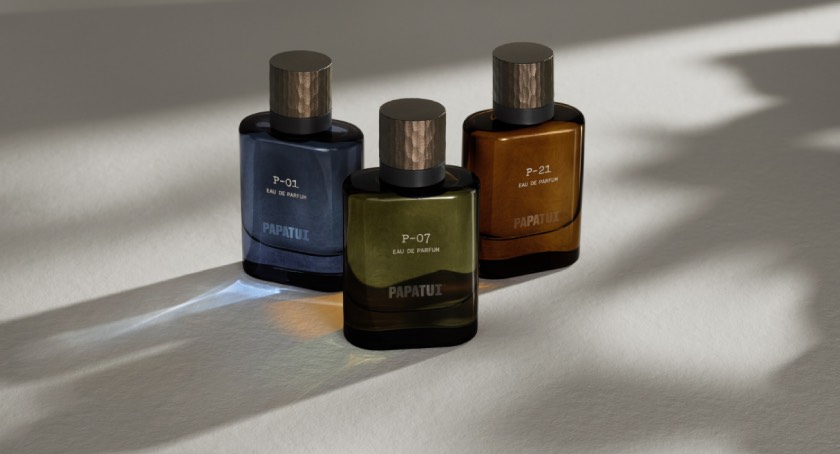
- Luxury Packaging: Perfume bottles, cosmetic jars, and beverage containers benefit from detailed branding and decorative effects that enhance shelf appeal.
- Architectural Glass: Custom-printed panels, partitions, and facades add artistic flair and privacy while maintaining light transmission.
- Interior Design: Printed glass backsplashes, tabletops, and wall art offer unique ways to personalize spaces. For more inspiration, see our article on creative uses of printed glass for interiors.
- Electronics and Smart Devices: Precision printing is crucial for touchscreens, displays, and technical coatings. Learn more about this in our guide to smart device glass printing.
- Branding and Displays: Retailers and event organizers use printed glass for signage, display cases, and point-of-sale materials to create a premium impression. Discover more about branding opportunities with printed glass.
Beyond aesthetics, the main advantages of modern glass printing include:
- Durability: Properly printed glass resists fading, scratching, and environmental wear.
- Customization: Digital workflows allow for short runs and personalized designs without high setup costs.
- Eco-Friendliness: Many inks and processes are now formulated to reduce environmental impact, supporting sustainable production goals.
Tips for Achieving Crisp, Vivid Results
To get the most out of advanced glass printing, consider the following best practices:
- Choose the Right Method: Match your project’s requirements—such as color complexity, durability, and batch size—to the most suitable printing technique.
- Prepare the Surface: Ensure glass is free from dust, oils, and residues. Some processes may require a primer or pre-treatment for optimal ink adhesion.
- Use High-Quality Artwork: Vector graphics and high-resolution images (at least 300 DPI) help maintain sharpness and avoid pixelation.
- Test and Calibrate: Run test prints to check color accuracy and adhesion. Adjust printer settings and color profiles as needed.
- Handle with Care: Allow sufficient curing or firing time before handling printed glass to prevent smudging or damage.
For those working on high-end projects, our resource on high end interior glass applications provides further insights into using printed glass for luxury environments.
Frequently Asked Questions
What is the difference between digital UV and screen printing on glass?
Digital UV printing offers greater flexibility for full-color, high-detail images and is ideal for short runs or variable data. Screen printing, while traditionally used for simpler designs, is highly durable and cost-effective for large batches. Advances in both methods now allow for finer detail and more vibrant colors.
How durable are printed glass products?
When produced with the right inks and processes, printed glass can be highly resistant to scratching, fading, and environmental exposure. Ceramic and UV-cured inks, in particular, offer excellent longevity, making them suitable for both indoor and outdoor use.
Can I print photographs or complex artwork onto glass?
Yes, modern digital printing methods can reproduce photographs, gradients, and intricate designs with impressive clarity. It’s important to use high-resolution source files and work with a provider experienced in high definition glass printing for best results.
What industries benefit most from advanced glass printing?
Industries such as luxury packaging, architecture, interior design, electronics, and retail displays make extensive use of precision glass printing to enhance product appeal, branding, and functionality.
Conclusion
Precision printing on glass is a transformative technology, enabling businesses and designers to create products that are not only visually stunning but also durable and customizable. By understanding the available techniques, preparing artwork and surfaces carefully, and choosing the right process for the application, it’s possible to achieve crisp, vivid results that stand out in any setting. As technology continues to advance, the possibilities for creative and commercial uses of printed glass will only expand.