
The rapid growth of online retail has transformed how products are packaged, shipped, and presented to consumers. As e-commerce continues to expand, businesses are rethinking their packaging strategies to meet new demands for both aesthetics and functionality. This shift is driving significant changes in the impact of e-commerce on packaging printing trends, influencing everything from design innovation to the durability of materials used.
With more products traveling directly to consumers’ doorsteps, packaging is no longer just a protective shell—it’s a critical touchpoint for brand experience and customer satisfaction. Companies are investing in advanced printing techniques, sustainable materials, and robust construction to ensure their packages stand out and survive the rigors of shipping. For those interested in how luxury brands are adapting, the evolution of luxury packaging printing offers additional insights into high-end market trends.
How Online Retail Is Shaping Packaging Printing
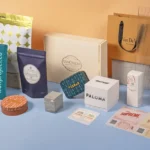
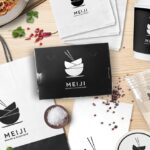
The shift to digital shopping has placed new pressures on packaging. Unlike traditional retail, where products are displayed on shelves, e-commerce relies on packaging to communicate brand identity and product value from the moment a parcel arrives. This has led to a surge in demand for customized printing solutions that can deliver vibrant colors, intricate graphics, and personalized messaging.
Digital printing technologies, such as inkjet and laser, are now widely used to produce short-run, high-quality packaging tailored to specific campaigns or customer segments. These methods allow for rapid prototyping and quick adjustments, which are essential in the fast-paced world of online sales. As a result, brands can respond to trends and consumer preferences with greater agility.
Durability: Meeting the Demands of Shipping and Handling
With packages traveling through multiple distribution centers and delivery vehicles, durability has become a top priority. E-commerce packaging must withstand impacts, moisture, and temperature changes without compromising the product or the printed design. This has led to the adoption of stronger substrates, reinforced edges, and protective coatings that help maintain both structural integrity and visual appeal.
Advances in printing inks and finishes also play a role. UV-cured inks, for example, offer enhanced resistance to smudging and fading, ensuring that branding remains sharp even after a long journey. Laminates and varnishes add an extra layer of protection while providing a premium look and feel.
Emerging Printing Techniques in the E-commerce Era
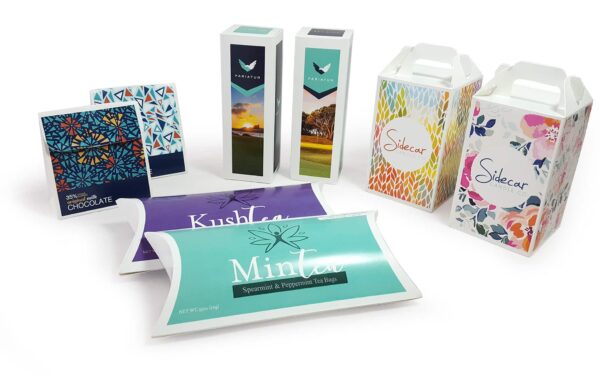
The need for flexibility and speed has accelerated the adoption of innovative printing methods. Digital and hybrid presses enable brands to experiment with variable data printing, allowing for unique graphics or QR codes on each package. This not only enhances personalization but also supports interactive experiences, such as augmented reality or product authentication.
For businesses seeking to stay ahead, exploring innovative food packaging printing techniques can provide inspiration for new applications. Flexible packaging, for example, is gaining popularity due to its lightweight nature and ability to accommodate creative shapes and finishes.
Eco-Friendly Materials and Sustainable Printing
Environmental concerns are influencing packaging choices across the industry. E-commerce brands are increasingly opting for recyclable, compostable, or biodegradable materials to reduce their ecological footprint. Sustainable inks, such as those derived from soy or water-based formulas, are also being used to minimize environmental impact.
Implementing sustainable packaging printing practices not only appeals to eco-conscious consumers but can also improve brand reputation and compliance with evolving regulations.
Design Trends Driven by Online Shopping
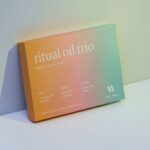
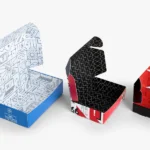
The visual aspect of packaging is more important than ever in the digital marketplace. Bold typography, minimalist layouts, and vibrant colors are commonly used to capture attention and convey brand values. Unboxing experiences, often shared on social media, have become a marketing tool in themselves, prompting brands to invest in memorable graphics and tactile finishes.
Interactive elements like QR codes, NFC tags, and smart labels are also making their way into e-commerce packaging. These features enable brands to connect with customers post-purchase, providing access to product information, loyalty programs, or augmented reality content. For a deeper dive into these innovations, see what is smart packaging technology.
Challenges and Opportunities for Brands
Adapting to the evolving landscape of online retail presents both obstacles and possibilities. The need for durable, visually appealing, and sustainable packaging can increase costs and complexity. However, it also opens up avenues for differentiation and customer engagement.
Brands that invest in advanced printing technologies and eco-friendly materials can build stronger connections with their audience. Staying informed about the latest packaging printing trends is essential for maintaining a competitive edge. For a forward-looking perspective, the packaging printing trends 2026 resource highlights upcoming innovations and market shifts.
Industry Insights: Flexible Packaging and Digital Printing
The move toward flexible packaging and digital printing is reshaping the industry. Flexible materials offer advantages in terms of weight, storage, and shipping efficiency, while digital presses allow for greater customization and faster turnaround times. According to industry experts on the future of packaging, these technologies are enabling printers to meet the unique demands of e-commerce and deliver more value to brands and consumers alike.
As the online marketplace matures, expect to see continued investment in automation, smart packaging, and integrated supply chains—all supported by advances in printing and materials science.
Frequently Asked Questions
How has online shopping influenced packaging design and printing?
The rise of digital retail has led to a greater emphasis on customization, durability, and sustainability in packaging. Brands are adopting digital printing techniques for faster, more flexible production and are using stronger materials to ensure packages arrive intact.
What are the main durability concerns for e-commerce packaging?
Packages must withstand rough handling, moisture, and temperature changes during transit. This has prompted the use of reinforced materials, protective coatings, and advanced inks that resist smudging and fading.
Are sustainable materials becoming standard in e-commerce packaging?
Yes, many brands are transitioning to recyclable, compostable, or biodegradable materials. Sustainable inks and eco-friendly production methods are also gaining traction as consumers and regulators demand greener solutions.