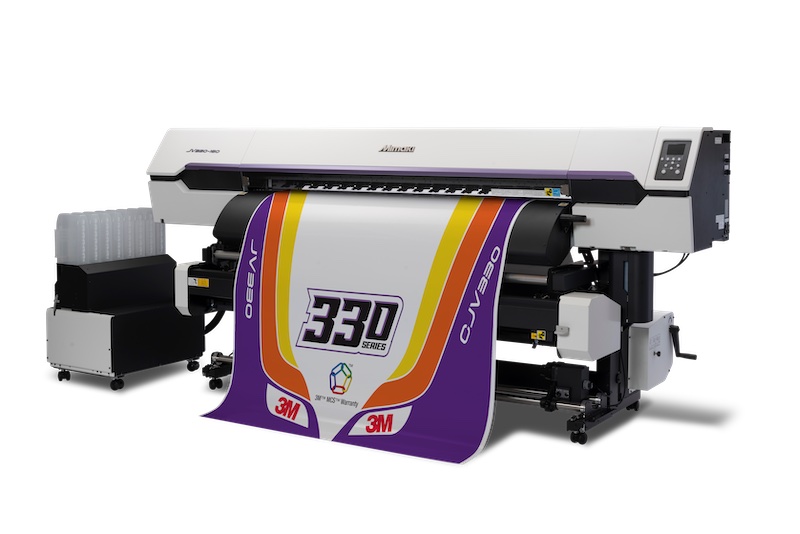

When it comes to outdoor signage, banners, and vehicle wraps, one of the most common questions is whether eco solvent ink can withstand the elements. Businesses and print professionals want to ensure their graphics remain vibrant and legible, even after exposure to rain, sunlight, and fluctuating temperatures. Understanding the water resistance and overall durability of eco solvent ink is essential for making informed choices about outdoor printing projects.
This article explores the waterproof qualities of eco solvent ink, how it compares to other ink types, and what factors influence its performance in outdoor environments. We’ll also look at practical tips for maximizing print longevity and provide resources for those seeking sustainable printing solutions. For readers interested in broader eco-friendly print strategies, you may also want to learn about what is carbon neutral printing and how it supports sustainable brands.
Understanding Eco Solvent Ink and Its Water Resistance
Eco solvent ink is a popular choice in the large-format printing industry, especially for applications that require both environmental responsibility and outdoor durability. Unlike traditional solvent inks, eco solvent formulations use milder, biodegradable solvents, resulting in lower emissions and less odor during printing. But is eco solvent ink waterproof enough for demanding outdoor use?
The answer is generally yes—eco solvent ink is designed to be water-resistant once it has properly cured on compatible media. The ink penetrates the surface of materials such as vinyl, banner fabrics, and certain coated papers, creating a bond that resists water, humidity, and even some cleaning agents. This makes it suitable for outdoor signage, vehicle graphics, and window decals that may be exposed to rain or splashes.
How Eco Solvent Ink Performs Outdoors
For outdoor graphics, durability is about more than just water resistance. Eco solvent prints are valued for their ability to withstand a range of environmental factors:
- Waterproof qualities: Once cured, prints made with eco solvent ink repel water and resist smudging or running, even in wet conditions.
- UV resistance: These inks are formulated to resist fading from sunlight, maintaining color vibrancy for months or even years outdoors.
- Scratch and abrasion resistance: Eco solvent prints are less likely to be damaged by handling or cleaning compared to water-based inks.
However, the degree of waterproofing depends on several factors, including the type of media used, the curing process, and whether a protective laminate is applied. For maximum longevity, many print professionals recommend laminating outdoor graphics, especially in harsh climates or high-traffic areas.
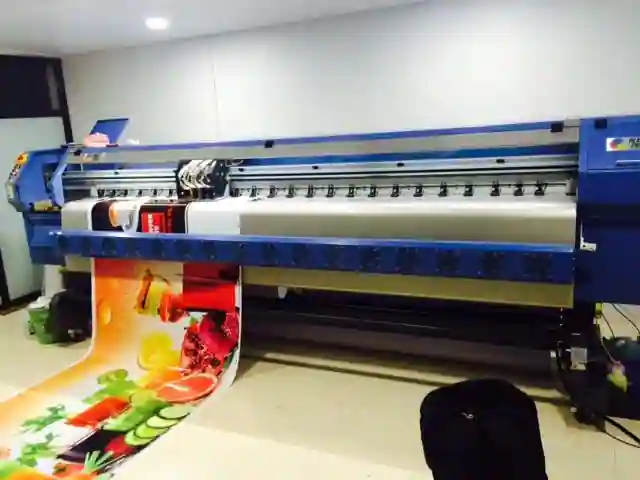
Comparing Eco Solvent Ink to Other Outdoor Printing Options
When evaluating inks for outdoor applications, it’s helpful to compare eco solvent technology to other common choices:
| Ink Type | Water Resistance | Outdoor Durability | Environmental Impact |
|---|---|---|---|
| Eco Solvent | High (after curing) | 6 months to 3 years (with/without lamination) | Lower VOCs, less hazardous |
| Traditional Solvent | Very high | Up to 5 years | Higher VOCs, more hazardous |
| Latex | High | Up to 3 years | Water-based, eco-friendly |
| UV-Curable | Excellent | 3–5 years | Low emissions, instant curing |
| Dye/Pigment (Aqueous) | Low–moderate | Not recommended for outdoor use | Water-based, less durable |
As shown above, eco solvent ink offers a strong balance between environmental responsibility and outdoor performance. While traditional solvent inks may last longer in extreme conditions, eco solvent options are more sustainable and still provide excellent water resistance for most outdoor signage needs.
Factors That Affect Water Resistance in Eco Solvent Prints
Even though eco solvent ink is waterproof after curing, several variables can influence the final result:
- Media compatibility: The ink must be used with materials designed for solvent printing, such as coated vinyl or banners. Using the wrong substrate can reduce water resistance.
- Curing time: Prints need adequate time to dry and cure. Rushing this process can leave prints vulnerable to smudging or water damage.
- Lamination: Adding a clear laminate layer provides extra protection against water, UV rays, and abrasion, extending the life of outdoor graphics.
- Environmental exposure: Extreme weather, pollution, and physical wear can all impact how long prints remain vibrant and intact outdoors.
For those seeking to further improve sustainability in print production, consider exploring tips for reducing waste in the printing process to complement the use of eco solvent inks.
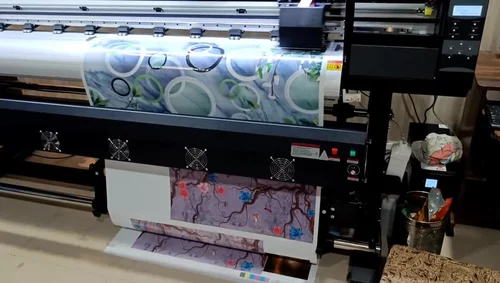
Best Practices for Maximizing Outdoor Print Longevity
To get the most from eco solvent prints in outdoor settings, follow these practical guidelines:
- Choose compatible media: Always use substrates rated for solvent or eco solvent printing to ensure proper ink adhesion and waterproofing.
- Allow full curing: Give prints adequate time (often 24–48 hours) to cure before exposing them to moisture or handling.
- Apply lamination for high-exposure areas: For vehicle wraps, outdoor banners, or signs in harsh climates, lamination adds a crucial layer of protection.
- Regular maintenance: Clean prints gently with non-abrasive materials to preserve both the ink and the substrate.
- Monitor for wear: Inspect graphics periodically and replace or refresh as needed to maintain a professional appearance.
For more in-depth information on eco solvent technology, you can read this comprehensive guide on eco solvent ink from a leading industry resource.
Frequently Asked Questions
How long do eco solvent prints last outdoors?
The lifespan of outdoor prints made with eco solvent ink typically ranges from 6 months to 3 years, depending on exposure, substrate, and whether a protective laminate is used. In milder climates or with lamination, prints can last even longer.
Can eco solvent ink be used on any material?
No, eco solvent ink is formulated for use on specific materials such as coated vinyl, banners, and certain synthetic papers. Using the wrong substrate can reduce water resistance and durability. Always check media compatibility before printing.
Is eco solvent ink safe for the environment?
Eco solvent inks are designed to be more environmentally friendly than traditional solvent inks, with lower volatile organic compound (VOC) emissions and less hazardous ingredients. They are a preferred choice for businesses seeking sustainable print solutions.
Do I need to laminate eco solvent prints for outdoor use?
While eco solvent prints are water-resistant on their own, lamination is recommended for applications exposed to harsh weather, abrasion, or frequent cleaning. Lamination extends the life and appearance of outdoor graphics.
Where can I learn more about sustainable printing practices?
For those interested in broader sustainability topics, check out our guide on how to design packaging for the circular economy for step-by-step advice on eco-friendly packaging design.
In summary, eco solvent ink is waterproof and highly suitable for outdoor use when applied correctly and given proper care. By selecting the right materials, allowing prints to cure, and considering lamination, you can ensure your outdoor graphics remain vibrant and resilient in a variety of conditions.