
Modern workplaces are evolving rapidly, with design and branding playing a central role in shaping environments that inspire productivity and creativity. Among the latest trends, glass printing for office spaces stands out as a versatile solution for enhancing aesthetics, privacy, and brand identity. By leveraging advanced printing technologies, companies can transform ordinary glass surfaces into striking features that communicate their values and culture.
From conference room partitions to branded entryways, printed glass offers a unique blend of functionality and style. Its applications extend far beyond decoration, providing acoustic benefits, wayfinding, and even subtle privacy for collaborative areas. As organizations seek to create memorable and efficient environments, the integration of custom glass elements is becoming a hallmark of forward-thinking office design.
For those interested in exploring creative approaches, learning about creative uses of printed glass can provide inspiration for unique interiors and innovative office solutions.
Why Printed Glass Is Transforming Office Environments
Integrating printed glass into workplace design is more than a visual upgrade. It offers a range of practical advantages that make it a smart investment for businesses of all sizes. Here are some of the key reasons organizations are choosing this approach:
- Branding and Identity: Custom graphics, logos, and patterns can be applied directly to glass, reinforcing company branding throughout the workspace.
- Privacy Without Sacrificing Light: Frosted or patterned glass partitions provide privacy for meeting rooms or offices while maintaining an open, airy feel.
- Acoustic Benefits: Certain printing techniques and glass treatments can help dampen sound, improving focus in busy environments.
- Durability and Easy Maintenance: High-quality prints are resistant to fading and scratching, and glass surfaces are simple to clean.
- Wayfinding and Safety: Printed designs can be used for directional signage or to make glass panels more visible, reducing the risk of accidents.
Popular Applications of Glass Printing in Workplaces
There are numerous ways to incorporate printed glass into an office layout. Some of the most common applications include:
- Conference Room Walls: Add privacy and style with custom patterns or company branding.
- Reception Areas: Make a strong first impression with a branded glass backdrop or logo.
- Office Partitions: Use frosted or colored designs to define spaces without building solid walls.
- Door Panels: Incorporate names, numbers, or decorative elements for both function and flair.
- Glass Furniture: Desks, tables, and shelving can feature subtle or bold prints for a cohesive look.
For more insight into high-end design possibilities, see high end interior glass applications for luxury spaces.
Technologies Behind Modern Glass Printing
The evolution of glass printing for office spaces is closely tied to advancements in printing technology. Today, businesses can choose from several methods, each offering unique benefits:
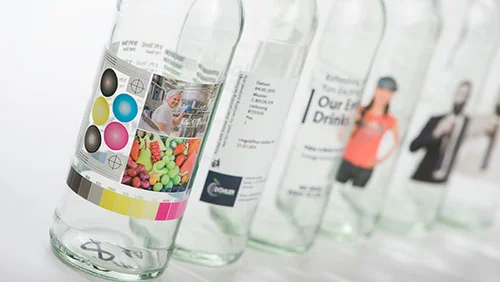
- UV Digital Printing: Delivers vibrant, full-color images directly onto glass, ideal for detailed graphics and photographic effects.
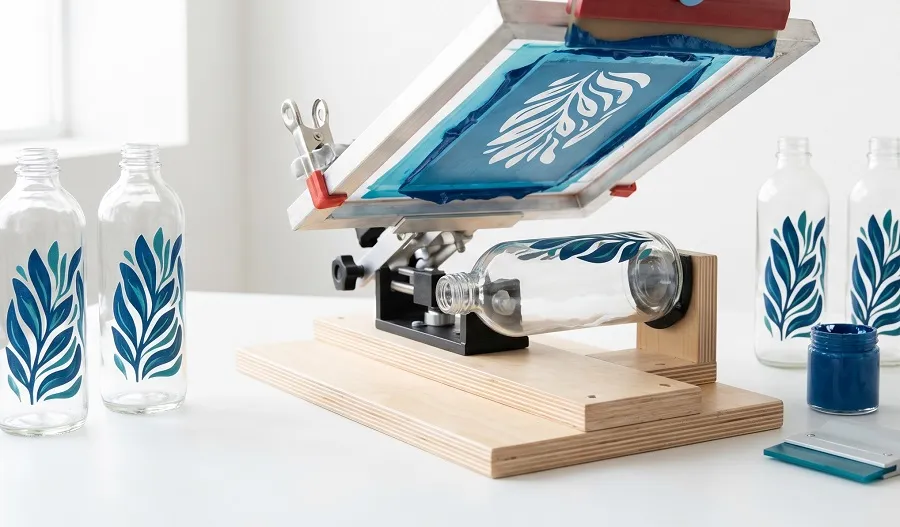
- Screen Printing: Suitable for bold patterns, logos, and repeat designs, offering excellent durability and opacity.
- Etching and Sandblasting: Creates frosted or textured effects for subtle privacy and decorative finishes.
UV digital printing, in particular, has opened up new possibilities for customization and speed. For a deeper dive into this technology, learn more about UV digital printing on glass and how it is shaping the future of office design.
Design Considerations for Office Glass Printing
When planning to incorporate printed glass into a workplace, several design factors should be considered to ensure the best results:
- Purpose and Placement: Identify whether the glass will serve as a privacy screen, branding element, or purely decorative feature.
- Color and Opacity: Choose colors and transparency levels that complement the overall office palette and lighting conditions.
- Durability Needs: High-traffic areas may require more robust printing methods or protective coatings.
- Maintenance: Select finishes that are easy to clean and maintain, especially in shared spaces.
- Compliance: Ensure that printed designs meet any relevant safety or accessibility standards, such as making glass visible to prevent accidents.
For tips on avoiding common pitfalls, review advice on common mistakes in glass printing to ensure a smooth project from start to finish.
Branding and Customization Opportunities
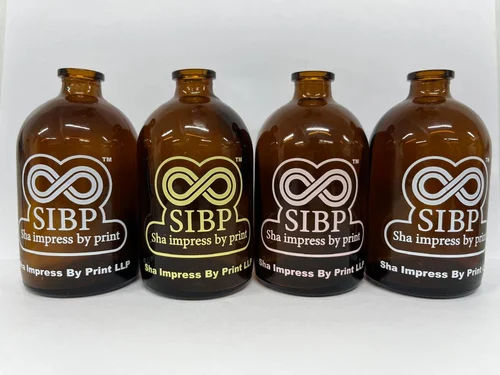
One of the standout benefits of using printed glass in offices is the ability to reinforce brand identity in subtle or bold ways. Whether it’s a logo on a reception wall or a mission statement etched into a meeting room divider, these custom touches help create a cohesive and memorable environment for both employees and visitors.
Printed glass can also support wayfinding, highlight company values, or feature seasonal graphics for special events. For organizations looking to maximize their branding impact, see more about branding opportunities with printed glass in commercial settings.
Best Practices for Implementing Glass Printing in Offices
To get the most out of printed glass installations, it’s important to follow a few best practices:
- Work with Experienced Providers: Choose specialists who understand the technical and design requirements of office environments.
- Test Samples: Review physical samples to ensure color accuracy, opacity, and finish meet expectations.
- Plan for Installation: Coordinate with contractors and designers to minimize disruption and ensure proper fit.
- Consider Future Updates: Opt for printing methods that allow for easy replacement or updating of graphics as branding evolves.
For those interested in technology applications beyond offices, smart device glass printing demonstrates how precision coatings are being used in other industries.
Frequently Asked Questions
What types of glass can be printed for office use?
Most commercial glass types, including tempered, laminated, and float glass, can be printed using modern techniques. The choice depends on the intended use, safety requirements, and desired finish.
How durable are printed glass surfaces in high-traffic offices?
When produced with quality materials and processes, printed glass is highly durable. UV-cured inks and protective coatings help resist scratches, fading, and daily wear, making them suitable for busy environments.
Can printed glass help with office privacy?
Yes, frosted, patterned, or tinted prints can obscure visibility while allowing light to pass through. This makes them ideal for meeting rooms, private offices, and collaborative spaces where both openness and discretion are valued.
Is it possible to update or change printed glass designs later?
Many providers offer solutions that allow for replacing or updating glass panels without major renovations. Digital printing, in particular, makes it easier to refresh designs as branding or office needs change.
Are there eco-friendly options for glass printing?
Yes, some printing methods use environmentally friendly inks and processes. Consult with your provider about sustainable options that align with your company’s values.