
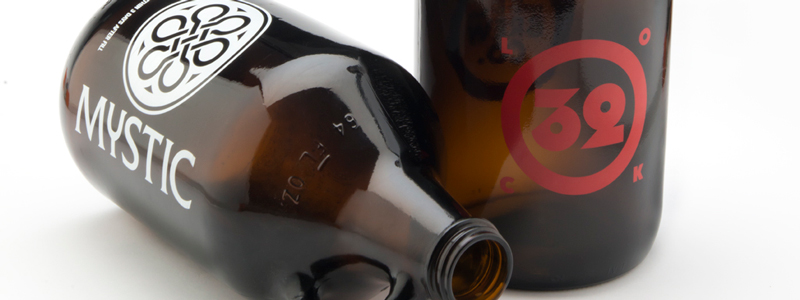

Glass printing for home improvement has rapidly become a sought-after way to add style, personality, and functionality to residential spaces. With advancements in digital and screen printing technology, homeowners now have access to an array of creative options for customizing glass surfaces throughout their homes. Whether you’re looking to enhance privacy, introduce unique decorative elements, or simply modernize your interiors, printed glass offers a versatile solution that blends aesthetics with practicality.
From kitchen backsplashes and bathroom partitions to decorative doors and custom shelving, the possibilities for integrating printed glass are nearly endless. This guide explores the latest trends, methods, and practical tips for using glass printing to upgrade your living space. If you’re interested in exploring even more creative approaches, you might want to check out creative uses of printed glass for unique interiors.
Why Printed Glass Is Transforming Home Design
The use of printed glass in home upgrades is more than just a trend—it’s a practical way to personalize and elevate your environment. Unlike traditional etched or frosted glass, modern printing techniques allow for high-resolution images, patterns, and even textures to be permanently fused onto glass surfaces. This opens up a world of design possibilities, from subtle gradients and geometric motifs to vibrant artwork and photographic reproductions.
Some of the main benefits of incorporating printed glass into your home include:
- Customization: Tailor every panel to match your style or the function of the space.
- Durability: High-quality inks and processes ensure designs are scratch-resistant and long-lasting.
- Easy Maintenance: Printed surfaces are easy to clean and maintain, making them ideal for kitchens and bathrooms.
- Light Control: Printed patterns can diffuse light, add privacy, or create dramatic visual effects without blocking natural light.
Popular Applications for Glass Printing in Home Upgrades
Homeowners are finding innovative ways to use glass printing for home improvement in both functional and decorative roles. Here are some of the most popular applications:
- Kitchen Backsplashes: Replace traditional tiles with a single, seamless glass panel featuring custom artwork or patterns.
- Shower Screens and Bathroom Partitions: Add privacy and style with frosted or colored designs.
- Interior Doors and Room Dividers: Use printed glass to separate spaces while maintaining an open, airy feel.
- Wall Art and Feature Panels: Create statement pieces with large-scale printed glass artwork.
- Cabinet Doors and Shelving: Personalize storage solutions with subtle or bold prints.
If you’re considering high-end options, take a look at high end interior glass applications for luxury homes to see how printed glass can be used in premium settings.

Techniques and Materials for Custom Glass Printing
There are several methods available for adding designs to glass, each with its own advantages. The most common techniques include:
- Digital UV Printing: Uses ultraviolet light to cure ink directly onto the glass, allowing for vibrant colors and detailed images.
- Screen Printing: Ideal for bold colors and repetitive patterns, this method uses a mesh stencil to apply ink in layers.
- Etching and Sandblasting: Creates a frosted effect by removing the top layer of glass, often combined with printed designs for added texture.
- Ceramic Frit Printing: Involves firing ceramic inks onto glass at high temperatures, resulting in a permanent, scratch-resistant finish.
For a deeper dive into the technical side, the article explains how glass printing works and outlines the differences between these methods.
When choosing the right technique, consider factors such as the intended use, exposure to sunlight or moisture, and the desired level of detail. For DIY enthusiasts, screen printing kits and etching creams are readily available and can be used for small projects like custom glassware or cabinet inserts.

Tips for a Successful Printed Glass Project
To ensure your glass printing upgrade meets your expectations, keep these practical tips in mind:
- Plan Your Design: Consider the room’s lighting, color scheme, and how the glass will interact with other materials.
- Choose Quality Materials: Opt for tempered or laminated glass for safety, especially in high-traffic areas.
- Work with Professionals: For large or complex installations, consult with experienced glass printers or interior designers.
- Mind the Details: Pay attention to edge finishes, mounting hardware, and how the printed glass will be cleaned and maintained.
- Understand Limitations: Some printing techniques are better suited for certain applications. Research or ask about durability, UV resistance, and cleaning requirements.
Mistakes can be costly, so it’s wise to review advice on common mistakes in glass printing and how to avoid them before starting your project.
Integrating Printed Glass with Other Home Features
Printed glass panels can be seamlessly combined with other materials such as wood, metal, or stone to create a cohesive and modern look. For example, pairing a custom-printed glass backsplash with wooden cabinetry can add warmth and contrast, while glass room dividers with metallic frames can give a space an industrial edge.
Don’t overlook the potential for printed glass in less obvious places, such as stair balustrades, fireplace surrounds, or even as part of smart home devices. For those interested in technology, smart device glass printing explores how precision coatings are used in modern electronics and appliances.
Frequently Asked Questions
- What types of glass can be printed for home use?
- Most commonly, tempered and laminated glass are used for residential projects due to their safety and durability. Float glass and specialty glass types can also be printed, depending on the technique and intended application.
- Is printed glass safe for kitchens and bathrooms?
- Yes, when using the right materials and installation methods. Printed glass is non-porous, easy to clean, and, when tempered, highly resistant to heat and impact, making it suitable for wet and high-traffic areas.
- How do I maintain and clean printed glass surfaces?
- Most printed glass can be cleaned with mild soap and water or standard glass cleaners. Avoid abrasive pads or harsh chemicals to preserve the integrity of the print.
Conclusion
Upgrading your home with custom printed glass is a practical way to bring modern design and personal flair to any space. By understanding the available techniques, planning your project carefully, and working with experienced professionals when needed, you can achieve stunning results that are both functional and beautiful. For inspiration on how printed glass can be used for branding or commercial spaces, see branding opportunities with printed glass.
With the right approach, glass printing for home improvement can transform ordinary surfaces into standout features that reflect your unique taste and enhance the value of your property.




