The glass printing manufacturing process is a fascinating blend of technology, artistry, and precision engineering. From custom-branded bottles to decorative panels in modern architecture, printed glass products are everywhere in daily life. Understanding how these items are made can help designers, manufacturers, and consumers appreciate the complexity and innovation involved in transforming plain glass into vibrant, functional works of art.
In this article, we’ll take a close look at the steps, technologies, and quality controls that drive the production of printed glass. Along the way, you’ll discover the main methods used, the challenges faced, and how the industry continues to evolve. If you’re interested in avoiding pitfalls, you may also want to read about common mistakes in glass printing for practical tips.

Understanding Glass Printing: Key Methods and Materials
There are several main techniques used in the glass printing manufacturing process, each with its own strengths and ideal applications. The choice of method depends on the desired finish, production volume, and the type of glass product being decorated.
- Screen Printing: This classic technique uses a mesh stencil to apply ink or enamel directly onto the glass surface. It’s highly effective for bold, opaque designs and is often used for bottles, jars, and flat glass panels.
- Digital UV Printing: Digital printers equipped with UV-curable inks can reproduce full-color images and gradients with remarkable detail. This method is ideal for short runs, personalization, and intricate artwork.
- Pad Printing: A silicone pad transfers ink from an etched plate onto curved or irregular glass surfaces, making it perfect for items like glassware or cosmetic bottles.
- Etching and Sandblasting: These methods use abrasive or chemical processes to create frosted or textured effects, often combined with printed graphics for a layered look.
Each of these methods requires specialized inks, coatings, and curing processes to ensure strong adhesion and durability. For example, ceramic inks are fired at high temperatures to fuse with the glass, while UV inks are instantly cured under ultraviolet light.
Step-by-Step: How Glass Printing Works in Modern Manufacturing
The journey from blank glass to finished printed product involves several coordinated stages. Here’s a closer look at the typical workflow:
- Design Preparation: Artwork is created or adapted for the specific printing process. This includes color separations, sizing, and adjustments for the curvature or thickness of the glass.
- Surface Cleaning: Glass items are thoroughly cleaned to remove dust, oils, and residues. Even minor contamination can cause print defects or poor adhesion.
- Printing: The selected method—screen, digital, or pad printing—is used to apply the design. For multi-color jobs, each color may require a separate pass or screen.
- Curing or Firing: Inks and coatings are cured using heat, UV light, or kiln firing. This step is crucial for durability, especially for items that will be washed or exposed to sunlight.
- Quality Inspection: Printed glass is inspected for color accuracy, registration, and defects such as smudges or incomplete prints.
- Packing and Shipping: Finished products are carefully packed to prevent scratching or chipping during transport.
Manufacturers often use automated lines for high-volume production, while smaller runs may involve more manual steps. Regardless of scale, attention to detail at every stage is essential for achieving professional results.
Quality Control and Challenges in Glass Decoration
Maintaining high standards throughout the glass printing manufacturing process is critical for both aesthetics and product performance. Some of the main quality control measures include:
- Color Consistency: Ensuring that colors match the approved design, especially across large batches.
- Adhesion Testing: Verifying that inks and coatings bond securely to the glass, resisting scratches and washing.
- Registration Accuracy: Checking that multi-color prints are perfectly aligned, with no blurring or misplacement.
- Durability Assessment: Subjecting samples to abrasion, UV exposure, and chemical resistance tests.
Common challenges include glass surface variability, ink compatibility, and the risk of thermal shock during curing. Manufacturers continually refine their processes to minimize defects and waste. For more insights on creative applications, see creative uses of printed glass in interior design.
Innovations and Trends in Glass Printing Technology
The industry is constantly evolving, with new technologies enhancing both efficiency and creative possibilities. Some of the most notable trends include:
- UV Digital Printing: The rise of UV digital printing on glass has enabled faster turnaround times, on-demand customization, and photo-quality results.
- Eco-Friendly Inks: Manufacturers are adopting low-VOC and water-based inks to reduce environmental impact.
- Smart Glass Applications: Printed coatings can add functionality, such as touch sensitivity or light control, to glass used in electronics and architecture. For more on this, explore our article on smart device glass printing.
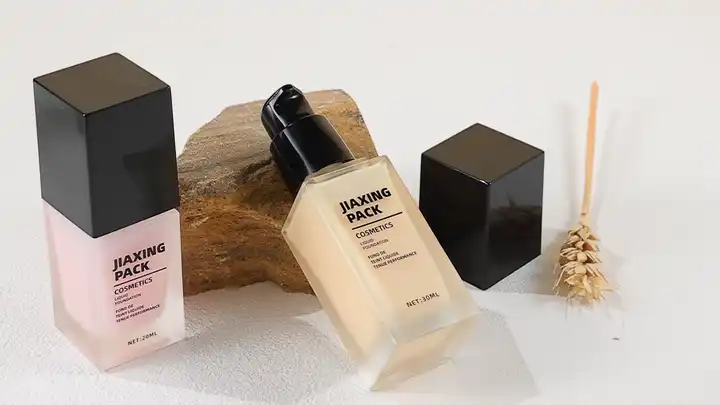
- Integration with Branding: Custom-printed glass is increasingly used for brand differentiation in packaging and retail displays. Learn more about branding opportunities with printed glass for business applications.
As production methods become more automated and flexible, even small businesses and designers can access high-quality printed glass solutions for unique projects.
Applications: Where You’ll Find Printed Glass
The results of the glass printing manufacturing process are visible across a wide range of industries and environments:
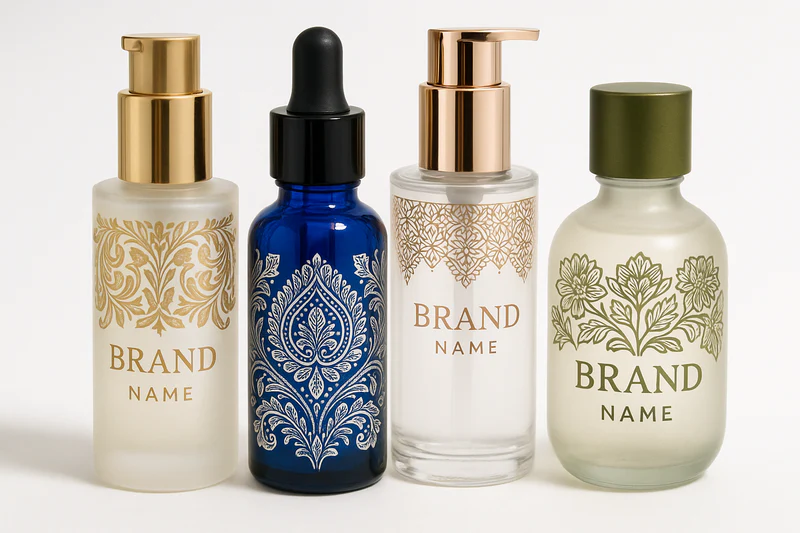
- Packaging: Bottles and jars for beverages, cosmetics, and food products often feature printed logos, labels, and decorative elements.
- Architecture: Decorative panels, partitions, and facades use printed glass for both aesthetics and privacy.
- Interiors: Tabletops, backsplashes, and wall art showcase creative glass printing in homes and businesses. For inspiration, see our guide on high end interior glass applications for luxury spaces.
- Electronics: Touchscreens, smart mirrors, and device covers use printed coatings for both function and style.
With ongoing advances in materials and printing equipment, the possibilities for glass decoration continue to expand, offering new opportunities for innovation and design.
Frequently Asked Questions
What is the most durable method for printing on glass?
Ceramic screen printing, which involves firing the ink at high temperatures, is considered one of the most durable methods. The ink fuses with the glass surface, making it resistant to abrasion, chemicals, and UV exposure.
Can digital printing be used for curved glass items?
Yes, recent advances in digital UV printing allow for high-quality prints on both flat and some curved surfaces. However, for highly irregular shapes, pad printing or screen printing may still be preferred for best results.
How do manufacturers ensure printed glass is safe for food and drink?
Manufacturers use food-safe inks and coatings, and subject printed items to rigorous testing for leaching, durability, and chemical resistance. Regulatory standards must be met for products intended for food and beverage use.
Is it possible to print full-color photographs on glass?
Modern UV digital printers can reproduce full-color images, gradients, and even photographic quality artwork directly onto glass. This opens up creative possibilities for both commercial and artistic applications.
What are some common issues encountered in glass printing?
Typical challenges include ink adhesion problems, color inconsistencies, registration errors, and surface contamination. Careful process control and quality assurance help minimize these issues.