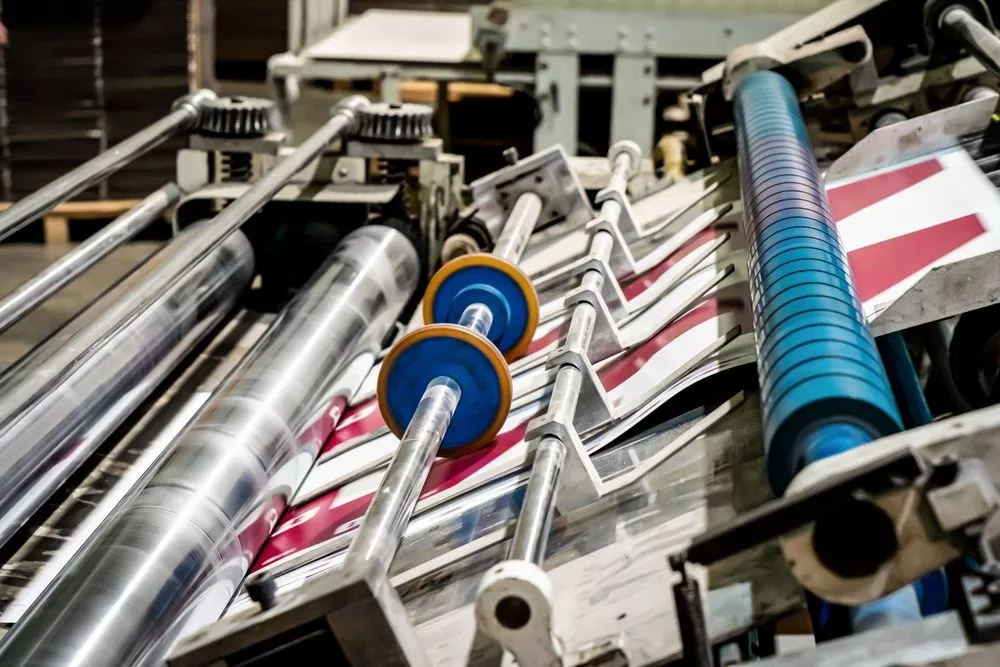

As environmental concerns and cost pressures grow, businesses across industries are rethinking their approach to packaging. One of the most impactful strategies is lightweighting, which involves reducing the amount of material used in packaging without sacrificing strength or functionality. This approach brings significant advantages not only for manufacturers but also for brands, retailers, and logistics providers. In this article, we’ll explore the core benefits of lightweighting in packaging production and how it shapes the future of sustainable supply chains.
Companies looking to innovate in this area often leverage digital tools and modern printing techniques. For example, understanding what is digital prototyping for packaging can help speed up development cycles and test lightweight designs more efficiently.
Understanding Lightweight Packaging Solutions
Lightweighting refers to the process of designing packaging that uses less raw material while maintaining or even improving its protective qualities. This can involve using thinner substrates, optimizing structural design, or switching to alternative materials that offer the same performance at a lower weight.
The drive for lighter packaging is fueled by both economic and environmental factors. Reducing material usage directly lowers production costs and minimizes waste, while also decreasing the carbon footprint associated with manufacturing and transportation.
Key Advantages for Manufacturers and Brands
The benefits of lightweighting in packaging production extend well beyond simple cost savings. Here are some of the most notable advantages for businesses:
- Material Cost Reduction: Using less material per unit means lower expenses for raw inputs, which can significantly impact profit margins at scale.
- Lower Shipping and Handling Costs: Lighter packages reduce freight charges and allow for more efficient palletization and container loading, optimizing logistics throughout the supply chain.
- Improved Sustainability: Lightweight designs generate less waste and require less energy to produce and transport, supporting corporate sustainability goals and regulatory compliance.
- Enhanced Consumer Appeal: Modern, minimal packaging often resonates with eco-conscious consumers, helping brands stand out on the shelf and communicate their commitment to the environment.
- Regulatory Compliance: Many regions are introducing stricter packaging waste regulations. Lightweighting helps companies stay ahead of evolving requirements.

Impact on Logistics and Supply Chain Efficiency
Reducing the weight of packaging has a direct effect on the efficiency of logistics operations. Lighter loads mean vehicles can carry more products per trip, reducing the number of shipments required and lowering overall transportation costs. This also translates to fewer emissions per unit shipped, supporting broader sustainability initiatives.
For companies distributing products globally, lightweight packaging can simplify compliance with international shipping regulations and reduce the risk of damage during transit. Optimized packaging also enhances warehouse storage density, allowing businesses to make better use of available space.
Design Considerations and Challenges
While the benefits of lightweighting in packaging production are clear, achieving optimal results requires careful design and testing. Packaging must still protect products from damage, provide adequate shelf life, and meet branding requirements. Advances in digital prototyping, material science, and printing technology make it easier to experiment with new designs and validate their performance before full-scale production.
For example, leveraging benefits of cloud-based color management can help ensure color consistency across lightweight substrates, which may react differently to inks and finishes than traditional materials.
Innovations Driving Lightweight Packaging
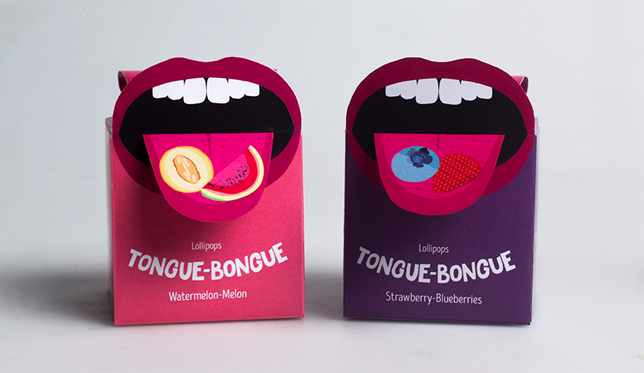
The packaging industry is rapidly evolving, with new materials and technologies enabling even greater reductions in weight. Digital printing advancements, for instance, allow for high-quality graphics on thinner substrates, opening up creative possibilities without compromising durability. For more on this, see how digital printing is shaping the future of corrugated packaging.
Other innovations include bio-based plastics, recyclable laminates, and structural redesigns that use geometry to enhance strength. These developments not only support lightweighting but also align with the shift toward circular economy principles.
Best Practices for Implementing Lightweight Strategies
To maximize the advantages of lighter packaging, companies should:
- Conduct thorough material and structural testing to ensure product protection.
- Collaborate with suppliers and packaging engineers early in the design process.
- Leverage digital prototyping and simulation tools to validate concepts quickly.
- Monitor regulatory trends and consumer expectations regarding sustainability.
- Continuously review and optimize packaging based on feedback and performance data.
Staying informed about emerging techniques, such as what is holographic lamination, can also help brands balance visual impact with material efficiency.
Frequently Asked Questions
How does lightweighting affect packaging durability?
When executed properly, lightweight packaging can maintain or even improve durability by using advanced materials and optimized structures. The key is to balance material reduction with rigorous testing to ensure products remain protected throughout the supply chain.
Is lightweight packaging more expensive to produce?
While initial design and testing may require investment, the long-term savings from reduced material usage and lower shipping costs typically outweigh these expenses. Many companies find that lightweighting leads to a strong return on investment over time.
Can lightweighting help companies meet sustainability goals?
Absolutely. Reducing packaging weight lowers resource consumption, decreases waste, and cuts transportation emissions. These factors all contribute to a smaller environmental footprint and can help organizations achieve their sustainability targets.
Conclusion
Embracing lighter packaging is a practical and effective way for businesses to reduce costs, improve sustainability, and enhance supply chain efficiency. By staying informed about the latest innovations and best practices, companies can unlock the full potential of this approach and deliver value to both their customers and the planet.