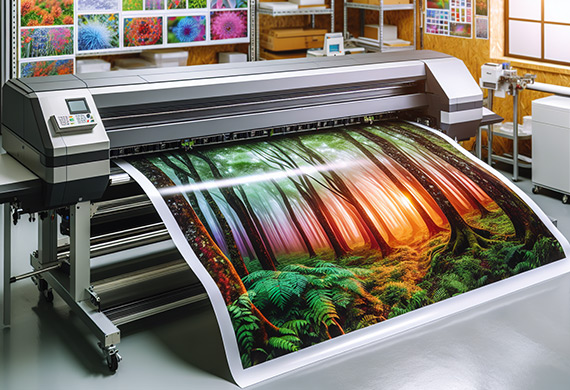

Understanding the eco solvent ink production workflow is essential for businesses and professionals involved in digital printing, signage, and large-format graphics. This comprehensive process ensures that the inks produced are vibrant, durable, and environmentally friendly, meeting the demands of today’s print industry. By following a structured workflow, manufacturers can maintain consistent quality, reduce waste, and optimize efficiency from raw material selection to the final packaging stage.
For those seeking to master the intricacies of eco solvent ink manufacturing, it’s important to recognize how each step impacts the final product’s performance and sustainability. Whether you are new to the field or looking to refine your existing processes, a well-defined workflow is the foundation for producing reliable, high-quality inks that meet both commercial and environmental standards.
If you’re interested in how digital workflows integrate with this process, the eco solvent ink rip workflow guide provides a detailed look at color management and print preparation, complementing the production steps discussed here.
Key Stages in the Eco Solvent Ink Manufacturing Process
The journey from raw materials to finished ink involves several critical phases. Each stage in the eco solvent ink production workflow is designed to ensure product consistency, safety, and environmental compliance.
- Raw Material Selection: Choosing high-quality pigments, solvents, and additives is the first step. The right selection impacts color vibrancy, print durability, and environmental safety.
- Mixing and Dispersion: Pigments are blended with solvents and additives using high-speed mixers. Proper dispersion ensures even color and prevents clumping.
- Filtration: The ink mixture is filtered to remove any impurities or oversized particles, which could clog print heads or affect print quality.
- Quality Control Testing: Rigorous tests are conducted for color accuracy, viscosity, drying time, and adhesion to various substrates.
- Packaging: The finished ink is filled into airtight containers to prevent contamination and evaporation, ready for distribution.
Raw Materials and Their Environmental Impact
A core advantage of eco solvent inks is their reduced environmental footprint compared to traditional solvent-based inks. The eco solvent ink production workflow emphasizes the use of biodegradable solvents and non-toxic pigments. This approach minimizes harmful emissions and ensures safer handling for workers and end-users.
Manufacturers often source renewable or low-impact solvents, such as esters and alcohols derived from plant materials. Additives are carefully chosen to enhance print performance without compromising eco-friendliness. By prioritizing sustainability at the material selection stage, the entire workflow supports greener printing practices.
Mixing, Dispersion, and Filtration Techniques
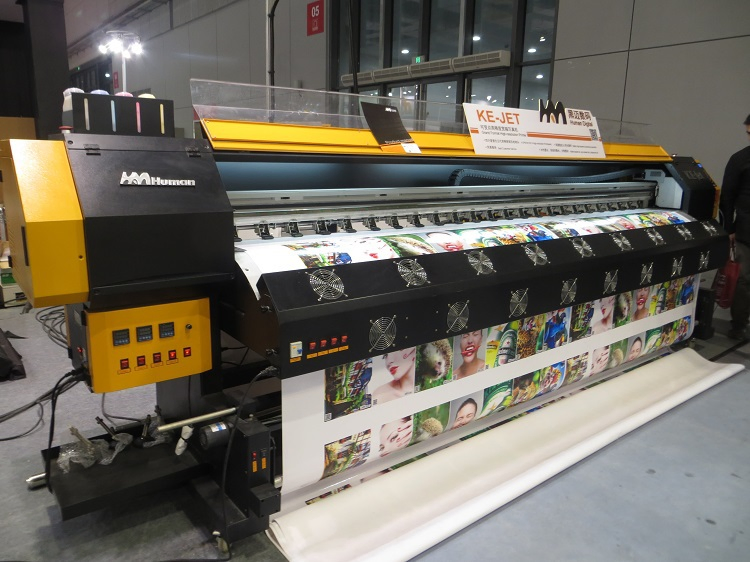
Achieving a uniform ink blend is essential for optimal print results. High-shear mixers are commonly used to disperse pigments evenly within the solvent base. This step in the eco solvent ink production workflow prevents pigment settling and ensures consistent color output.
Filtration follows mixing, using fine mesh filters or membrane systems to eliminate particles that could cause print head blockages. This not only protects equipment but also enhances the longevity and reliability of the ink during high-volume printing.
Quality Control and Testing Protocols
Before packaging, every batch undergoes strict quality assurance. Tests include:
- Color Matching: Ensures the ink meets industry color standards and customer expectations.
- Viscosity Measurement: Confirms the ink flows correctly through print heads without clogging or leaking.
- Adhesion and Durability: Assesses how well the ink bonds to different substrates and its resistance to abrasion, water, and UV exposure.
- Drying Time: Evaluates the ink’s ability to dry quickly, minimizing smudging and production delays.
Only batches that pass all tests proceed to the filling and packaging phase. This commitment to quality is what sets eco solvent ink apart in demanding commercial environments.
Packaging and Storage Best Practices
Proper packaging is vital for maintaining ink integrity. Airtight, UV-resistant containers are standard, preventing solvent evaporation and pigment degradation. Storage areas should be cool, dry, and away from direct sunlight to maximize shelf life.
For more on how these inks are used in business settings, see the eco solvent ink commercial printing resource, which explores real-world applications and benefits.
Integrating Workflow with Post-Processing and Lamination
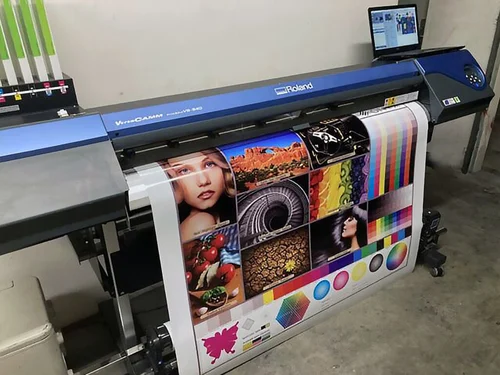
The production process doesn’t end at packaging. Many print shops integrate additional steps such as post-processing and lamination to enhance print durability and finish. For best practices on these topics, the eco solvent ink post processing and eco solvent ink lamination guide offer in-depth advice.
These finishing steps are especially important for outdoor graphics, vehicle wraps, and signage exposed to harsh conditions. Proper workflow integration ensures that the ink’s performance is preserved throughout the product’s lifecycle.
Industry Standards and Compliance
Adhering to international safety and environmental standards is a key aspect of the eco solvent ink production workflow. Regulatory compliance not only protects workers and end-users but also opens up broader market opportunities. Manufacturers must keep up with evolving standards for chemical safety, emissions, and waste management.
For a deeper understanding of the chemistry and industry trends, the comprehensive overview of eco solvent ink technology provides valuable insights.
Frequently Asked Questions
What makes eco solvent ink more environmentally friendly than traditional solvent inks?
Eco solvent inks use biodegradable solvents and non-toxic pigments, resulting in lower emissions of volatile organic compounds (VOCs) and safer handling for both workers and the environment. This approach reduces the ecological impact of printing operations.
How does quality control affect the final ink product?
Rigorous quality control ensures that each batch of ink meets strict standards for color accuracy, viscosity, adhesion, and durability. This prevents issues like print head clogging, color inconsistencies, and poor substrate adhesion, leading to reliable, high-quality prints.
Can eco solvent inks be used for all types of printing applications?
While eco solvent inks are versatile and suitable for many applications, including banners, vehicle wraps, and outdoor signage, it’s important to match the ink to the substrate and intended use. For specialized industrial uses, see the eco solvent ink industrial applications guide for more information.