The printing industry has seen significant advancements in recent years, with eco solvent ink commercial printing emerging as a preferred solution for businesses seeking vibrant results and environmental responsibility. This technology is widely adopted for its ability to deliver high-quality prints on a variety of materials while minimizing ecological impact. As companies and print shops look for sustainable alternatives, understanding the practical uses and benefits of eco solvent inks is essential for making informed decisions.
In this guide, we’ll explore the main applications, advantages, and considerations of using eco solvent inks in professional print environments. Whether you’re a print service provider, designer, or business owner, learning about these uses can help you choose the right approach for your projects. For a deeper dive into how these inks are used in different industries, you can also review the eco solvent ink industrial applications guide.
Key Applications in Professional Printing
Eco solvent inks have become the go-to choice for a range of commercial print jobs. Their versatility and durability make them suitable for both indoor and outdoor applications. Here are some of the most common uses:
- Outdoor Signage: Banners, billboards, and hoardings benefit from the weather-resistant properties of eco solvent inks, ensuring prints remain vibrant and intact despite exposure to sun, rain, and wind.
- Vehicle Wraps: These inks adhere well to vinyl and other flexible materials, making them ideal for car, bus, and truck graphics that require both flexibility and long-lasting color.
- Indoor Displays: Retail displays, exhibition graphics, and point-of-sale materials are often produced with eco solvent inks due to their low odor and excellent image quality.
- Posters and Wall Murals: The ability to print on a wide range of substrates allows for creative applications in interior design and advertising.
- Labels and Stickers: Durability and resistance to fading make these inks a strong choice for product labels and promotional stickers.
For those interested in the technical side of print finishing, the eco solvent ink lamination guide offers insights into protecting and enhancing printed materials.
Advantages of Eco Solvent Ink for Commercial Projects
Choosing eco solvent inks for commercial printing brings several important benefits. These advantages are driving the shift from traditional solvent inks to more sustainable alternatives in the printing industry.
- Lower Environmental Impact: Eco solvent inks use milder, biodegradable solvents that produce fewer harmful emissions, making them safer for both operators and the environment.
- Vivid, Long-Lasting Colors: The pigments in these inks are formulated for high color density and resistance to fading, ensuring that prints remain eye-catching over time.
- Wide Substrate Compatibility: These inks can be used on a broad range of materials, including vinyl, canvas, paper, and certain textiles, expanding creative possibilities for commercial printers.
- Reduced Odor: Unlike traditional solvent inks, eco solvent formulations emit less odor, making them suitable for indoor environments and workplaces with limited ventilation.
- Cost-Effective Production: The durability and versatility of eco solvent inks can lead to lower maintenance and replacement costs for printed materials.
Popular Print Products Using Eco Solvent Technology
The range of products that benefit from eco solvent ink is extensive. Print shops and businesses leverage this technology to produce items that require both visual appeal and resilience.
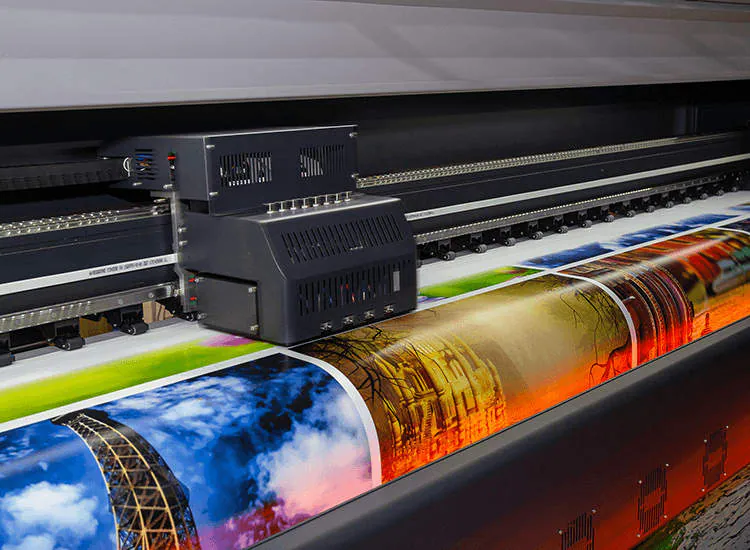
- Trade Show Graphics: Durable, portable, and vibrant, these graphics are a staple for business events and exhibitions.
- Backlit Displays: Used in lightboxes and illuminated signs, eco solvent prints maintain clarity and color when lit from behind.
- Window Graphics: Adhesive-backed prints for storefronts and office windows are made possible by the strong adhesion and weather resistance of these inks.
- Custom Wallpaper: Designers use eco solvent inks to create bespoke wall coverings for commercial and residential spaces.
To ensure the best results and longevity of these products, post-print processing is crucial. For recommended finishing techniques, visit the eco solvent ink post processing resource.
How Eco Solvent Ink Supports Sustainable Printing
Sustainability is a growing concern for businesses and consumers alike. Eco solvent inks are designed to address these concerns by reducing the environmental footprint of commercial printing. Their formulation uses less aggressive chemicals, resulting in lower volatile organic compound (VOC) emissions. This not only benefits the environment but also creates a safer workplace for print operators.
Additionally, many eco solvent inks are compatible with recyclable and biodegradable substrates, further supporting green initiatives. By choosing these inks, print providers can meet the demands of eco-conscious clients and contribute to a more sustainable industry.
Considerations for Print Shops and Businesses
While eco solvent ink offers many advantages, there are important factors to consider before integrating it into your workflow:
- Printer Compatibility: Not all printers are designed for eco solvent formulations. Ensure your equipment supports these inks or consult your manufacturer for guidance.
- Maintenance Requirements: Regular cleaning and proper storage of inks are essential to prevent clogging and maintain print quality. For step-by-step instructions, refer to the eco solvent ink refill guide.
- Material Selection: Test inks on your preferred substrates to confirm adhesion, color accuracy, and durability.
- Cost Analysis: While eco solvent inks may have a slightly higher upfront cost, their longevity and reduced maintenance can offset expenses over time.
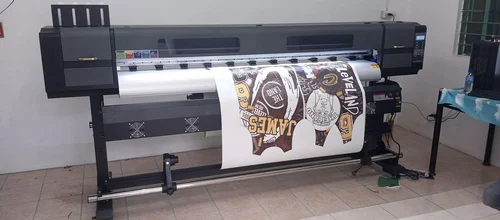
For those interested in the chemical makeup and safety of these inks, the eco solvent ink chemical composition guide provides detailed information.
Comparing Eco Solvent Printing to Other Technologies
When evaluating print solutions, it’s helpful to compare eco solvent technology to other ink types:
| Feature | Eco Solvent Ink | Traditional Solvent Ink | UV Ink |
|---|---|---|---|
| Environmental Impact | Low VOC, biodegradable solvents | High VOC, hazardous chemicals | No solvents, but may contain other chemicals |
| Odor | Minimal | Strong | Minimal |
| Outdoor Durability | Excellent | Excellent | Very Good |
| Substrate Range | Wide | Wide | Limited (needs coated media) |
| Curing Method | Air dry | Air dry | UV light |
For a comprehensive overview of what sets eco solvent technology apart, see this introduction to eco solvent printing.
Frequently Asked Questions
What materials can be printed with eco solvent ink?
Eco solvent inks are compatible with a wide range of materials, including vinyl, banners, canvas, photo paper, adhesive films, and some textiles. Always test on your chosen substrate to ensure optimal results.
Are prints made with eco solvent ink suitable for outdoor use?
Yes, one of the main advantages of these inks is their weather resistance. Prints are highly durable and can withstand sunlight, rain, and temperature changes, making them ideal for outdoor signage and vehicle graphics.
How do eco solvent inks compare to water-based inks?
While water-based inks are typically used for indoor applications and on absorbent materials, eco solvent inks offer greater durability and versatility for both indoor and outdoor use. They adhere well to non-porous surfaces and provide longer-lasting color.
Is special maintenance required for printers using eco solvent ink?
Regular maintenance is recommended to prevent clogging and ensure consistent print quality. This includes routine cleaning of printheads and proper storage of ink cartridges. Refer to manufacturer guidelines for best practices.