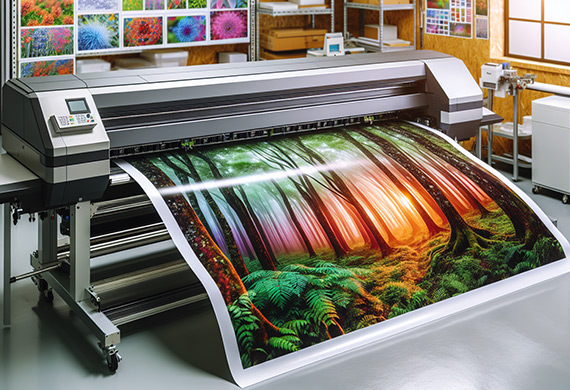

When choosing between eco solvent ink and latex printing for wide-format graphics, signage, or commercial print jobs, understanding the cost implications is essential. Both technologies offer unique advantages, but their expenses—upfront and ongoing—can differ significantly. This guide provides a detailed look at the cost factors, helping you make an informed decision for your print business or project.
We’ll break down the initial investment, ink consumption, maintenance, media compatibility, and long-term operating costs. Whether you’re upgrading equipment or just starting out, a clear eco solvent ink vs latex cost comparison can help you maximize value and avoid unexpected expenses.
For those interested in how eco solvent compares to other ink types, check out our eco solvent ink vs uv ink breakdown for a broader perspective on print technology choices.
Understanding the Cost Structure of Eco Solvent and Latex Printing
The total cost of ownership for any print system includes more than just the price of the printer. It’s important to consider:
- Printer purchase price
- Ink costs (per liter or cartridge)
- Media compatibility and pricing
- Maintenance and cleaning
- Energy consumption
- Downtime and productivity
Each of these elements can impact your bottom line differently, depending on whether you choose an eco solvent or latex setup.
Initial Investment: Equipment and Setup
The upfront cost of a printer is often the most visible expense. Eco solvent printers are generally less expensive than latex models, making them attractive for small businesses or startups. Entry-level eco solvent machines can start at a lower price point, while latex printers, with their advanced curing systems and technology, typically command a higher initial investment.
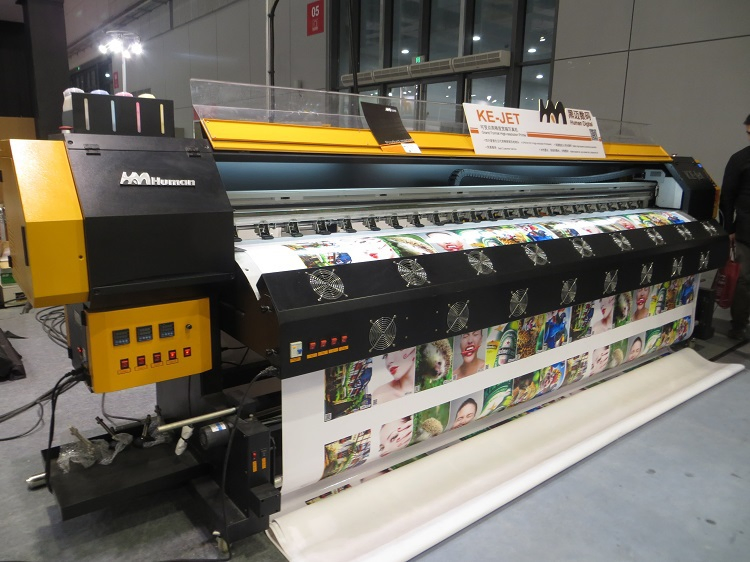
Installation and setup costs should also be considered. Latex printers may require special ventilation or electrical upgrades due to their heating elements, while eco solvent units are often simpler to install.
Ink and Consumables: Ongoing Expenses
One of the most critical factors in a cost comparison between eco solvent ink and latex is the price and yield of consumables. Eco solvent inks are typically less expensive per liter than latex inks. However, latex inks are water-based and can offer environmental and health advantages, which may justify their higher price for some users.
Ink yield—how much printable area you get per liter—varies by printer model, print mode, and media type. In general:
- Eco solvent printers tend to use less ink for the same coverage, especially on vinyl and banner materials.
- Latex printers may consume more ink due to their water-based formulation and the need for heavier laydown on certain substrates.
For a deeper dive into eco solvent ink properties and usage, see this comprehensive eco solvent ink overview.
Media Compatibility and Print Quality Considerations
Media costs can add up quickly, especially if your printer is limited in the types of materials it can handle. Eco solvent printers excel with vinyl, banners, and many coated substrates. Latex printers are more versatile, often printing on a wider range of uncoated and specialty materials, which can reduce the need for expensive coated media.
Print quality is another aspect to consider. Latex technology offers instant-dry prints with no outgassing, allowing for faster turnaround. Eco solvent prints may require additional drying or curing time, which can affect workflow and delivery schedules.
Maintenance, Cleaning, and Downtime
Ongoing maintenance is a significant part of the eco solvent ink vs latex cost comparison. Eco solvent printers require regular cleaning cycles to prevent ink clogging and maintain printhead health. This can lead to higher maintenance costs and occasional downtime.
Latex printers, while not maintenance-free, often feature automated cleaning and nozzle checks, reducing manual intervention. For more on this, our article on cleaning cycles in latex printing explains how modern latex systems manage upkeep.
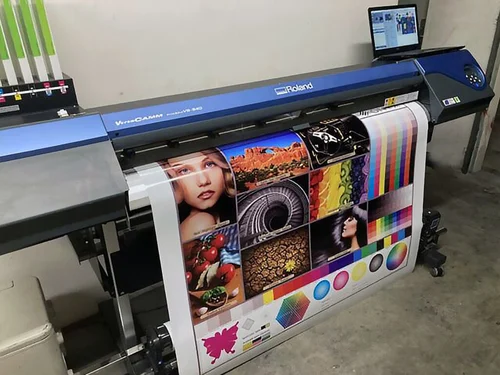
Regular maintenance, such as nozzle checks for latex printers and cleaning cycles, should be factored into your long-term budget. Eco solvent users should also be aware of potential ink clogging issues, which can be mitigated by following best practices outlined in our guide on how to avoid ink clogging.
Energy Consumption and Environmental Impact
Latex printers generally consume more electricity due to their built-in curing heaters. This can increase monthly utility costs, especially in high-volume production environments. Eco solvent printers, while not energy-free, typically use less power during operation.
Environmental considerations may also play a role in your decision. Latex inks are water-based and emit fewer volatile organic compounds (VOCs), making them a better choice for indoor graphics and sensitive environments. Eco solvent inks have improved in recent years, but still require proper ventilation and handling.
Long-Term Value and Resale
When evaluating the full cost of ownership, consider the expected lifespan and potential resale value of your equipment. Latex printers, with their robust build and broad media compatibility, may retain value longer. Eco solvent printers, being more affordable upfront, may depreciate faster but can still offer excellent value for specific applications.
Summary Table: Key Cost Factors
| Cost Factor | Eco Solvent | Latex |
|---|---|---|
| Initial Printer Cost | Lower | Higher |
| Ink Price per Liter | Lower | Higher |
| Ink Yield | Higher (on vinyl) | Moderate |
| Media Compatibility | Good (coated) | Excellent (coated & uncoated) |
| Maintenance | Manual, more frequent | Automated, less frequent |
| Energy Use | Lower | Higher |
| Environmental Impact | Moderate (VOCs) | Low (water-based) |
Frequently Asked Questions
Which is more cost-effective for high-volume printing?
For high-volume production, eco solvent printers often have a lower total ink and energy cost, especially when printing on vinyl or banners. However, latex printers may offer savings in labor and turnaround time due to instant-dry prints and less manual maintenance.
Are there hidden costs with either technology?
Yes. Eco solvent printers may require more frequent printhead replacements and manual cleaning, while latex printers can have higher energy bills and potentially more expensive replacement parts. Always consider maintenance contracts and consumable costs in your budget.
How do print quality and durability compare?
Both technologies produce durable, outdoor-ready prints. Latex prints are ready for immediate finishing and installation, while eco solvent prints may need additional drying. The best choice depends on your specific media, application, and turnaround requirements.
Where can I learn more about eco solvent ink?
For a detailed overview of eco solvent ink types, properties, and best practices, visit this comprehensive eco solvent ink resource.