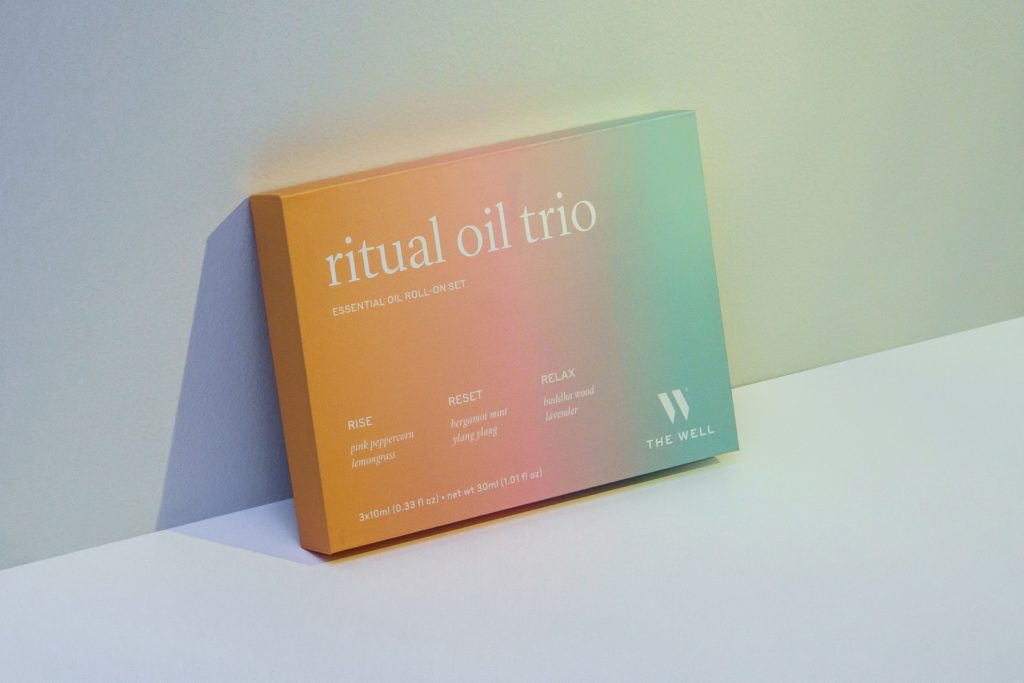

As sustainability becomes a core value for modern businesses, brands are rethinking every aspect of their packaging and print materials. One of the most impactful changes is the shift toward low-VOC inks—a choice that not only reduces environmental impact but also strengthens a company’s eco-friendly reputation. Understanding how to choose low-voc inks for sustainable branding is essential for organizations aiming to align their visual identity with responsible practices.
Volatile Organic Compounds (VOCs) are chemicals found in many traditional inks that can harm both the environment and human health. By opting for inks with reduced VOC content, brands demonstrate a commitment to cleaner production, safer workplaces, and healthier communities. This guide explores the factors to consider, the benefits, and the practical steps to integrate low-VOC inks into your branding strategy.
For brands interested in broader eco-innovation, exploring how to implement circular design principles in printing can further enhance sustainability efforts and complement the use of low-VOC inks.
Understanding Low-VOC Inks and Their Role in Sustainable Branding
Low-VOC inks are formulated to emit fewer volatile organic compounds during printing and drying. These compounds, commonly found in petroleum-based inks, contribute to air pollution and can pose health risks to workers and consumers. By reducing VOC emissions, companies can minimize their environmental footprint and improve indoor air quality in production facilities.
Choosing sustainable inks is not just about compliance or greenwashing. It’s a genuine opportunity to build a brand identity that resonates with eco-conscious consumers. The use of low-VOC inks signals a dedication to responsible sourcing, cleaner manufacturing, and the well-being of both people and the planet.
Key Factors to Consider When Selecting Low-VOC Inks
When evaluating options for how to choose low-voc inks for sustainable branding, several factors should guide your decision:
- VOC Content: Check the product’s technical data sheet for specific VOC levels. Look for inks labeled as “low-VOC” or “VOC-free.”
- Ink Type: Water-based, soy-based, and UV-curable inks typically have lower VOC emissions than traditional solvent-based inks.
- Certifications: Seek inks certified by recognized environmental standards such as GREENGUARD, EcoLogo, or the Nordic Swan Ecolabel.
- Print Compatibility: Ensure the ink is compatible with your chosen substrates (paper, cardboard, plastic, etc.) and printing processes (digital, offset, flexo, etc.).
- Color Performance: Evaluate whether the ink delivers the vibrancy, opacity, and durability your brand requires.
- Supplier Transparency: Work with suppliers who provide clear information about their ink formulations and environmental impact.

Benefits of Using Low-VOC Inks for Eco-Friendly Brand Identity
Switching to low-VOC inks offers a range of advantages for brands pursuing a sustainable image:
- Reduced Environmental Impact: Lower VOC emissions mean less air pollution and a smaller carbon footprint.
- Healthier Work Environments: Employees are exposed to fewer harmful chemicals, resulting in improved workplace safety.
- Regulatory Compliance: Many regions are tightening restrictions on VOC emissions. Using compliant inks helps avoid fines and legal issues.
- Positive Brand Perception: Eco-conscious consumers are more likely to support brands that prioritize environmental responsibility.
- Enhanced Product Appeal: Packaging and print materials produced with sustainable inks can carry eco-labels, increasing their attractiveness on shelves.
For businesses interested in the broader landscape of sustainable packaging, reviewing trends in futuristic and sci-fi packaging aesthetics can provide inspiration for innovative, environmentally friendly design choices.
Comparing Ink Types: Water-Based, Soy-Based, and UV-Curable Options
Understanding the differences between popular low-VOC ink types can help you make an informed decision:
| Ink Type | VOC Level | Best For | Considerations |
|---|---|---|---|
| Water-Based | Very Low | Paper, cardboard, flexible packaging | Fast drying, good for food packaging, may require special substrates |
| Soy-Based | Low | Newspapers, magazines, packaging | Renewable resource, vibrant colors, slower drying |
| UV-Curable | Very Low | Wide range of substrates, including plastics and metals | Instant curing, durable, requires UV lamps |
Each ink type has unique strengths. Water-based and soy-based inks are ideal for brands prioritizing natural ingredients, while UV-curable inks offer versatility and high performance with minimal VOCs.
Integrating Low-VOC Inks into Your Printing Workflow
Adopting sustainable inks involves more than just purchasing new supplies. Here are steps to ensure a smooth transition:
- Audit Current Practices: Assess your existing ink usage and identify areas for improvement.
- Consult with Printers: Discuss low-VOC options with your print partners. Many printers now offer eco-friendly alternatives as standard.
- Test and Evaluate: Run print tests to confirm that the new inks meet your quality and color standards.
- Update Artwork Files: Some inks may interact differently with certain colors or finishes. Adjust your designs as needed.
- Communicate Your Commitment: Use packaging, labels, and marketing materials to highlight your shift to sustainable inks.
For startups and small businesses, learning about the benefits of short-run digital printing for startups can help maximize flexibility and minimize waste when transitioning to new ink systems.
Staying Ahead: Innovations and Future Trends in Sustainable Inks
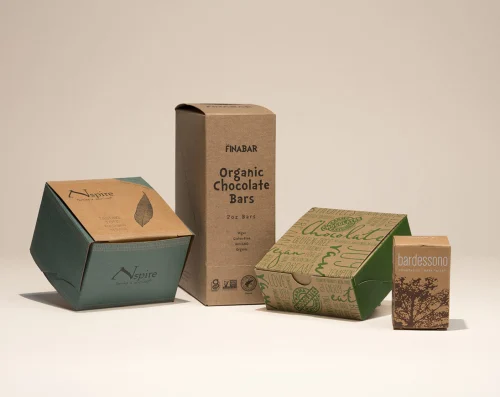
The world of sustainable printing is rapidly evolving. New formulations, such as algae-based and vegetable-based inks, are emerging as alternatives with even lower environmental impact. Digital printing technologies are also advancing, enabling precise ink application and further reducing waste. For a deeper dive into upcoming developments, check out this in-depth look at the future of digital print and its implications for eco-friendly branding.
Brands that stay informed and proactive about these trends will be better positioned to lead in sustainability and innovation.
FAQs About Selecting Low-VOC Inks for Sustainable Branding
What are the main environmental benefits of low-VOC inks?
Low-VOC inks emit fewer harmful chemicals into the air, reducing air pollution and the risk of smog formation. They also contribute to healthier workplaces and communities by minimizing exposure to toxic substances.
Can low-VOC inks match the color quality of traditional inks?
Yes, modern low-VOC inks are engineered to provide vibrant, consistent colors that meet or exceed the standards of conventional inks. Advances in formulation have closed the performance gap, making them suitable for most branding applications.
Are low-VOC inks more expensive than regular inks?
While some low-VOC inks may have a slightly higher upfront cost, the long-term benefits—such as regulatory compliance, improved worker safety, and enhanced brand reputation—often outweigh the initial investment. Additionally, increased demand and technological advances are making these inks more affordable.
Conclusion
Making the switch to low-VOC inks is a practical and impactful way to reinforce your brand’s commitment to sustainability. By carefully evaluating ink types, certifications, and supplier transparency, you can ensure that your print materials align with both your environmental values and your visual identity. As consumer expectations and regulations evolve, adopting eco-friendly inks will help your brand stand out as a responsible, forward-thinking leader in your industry.