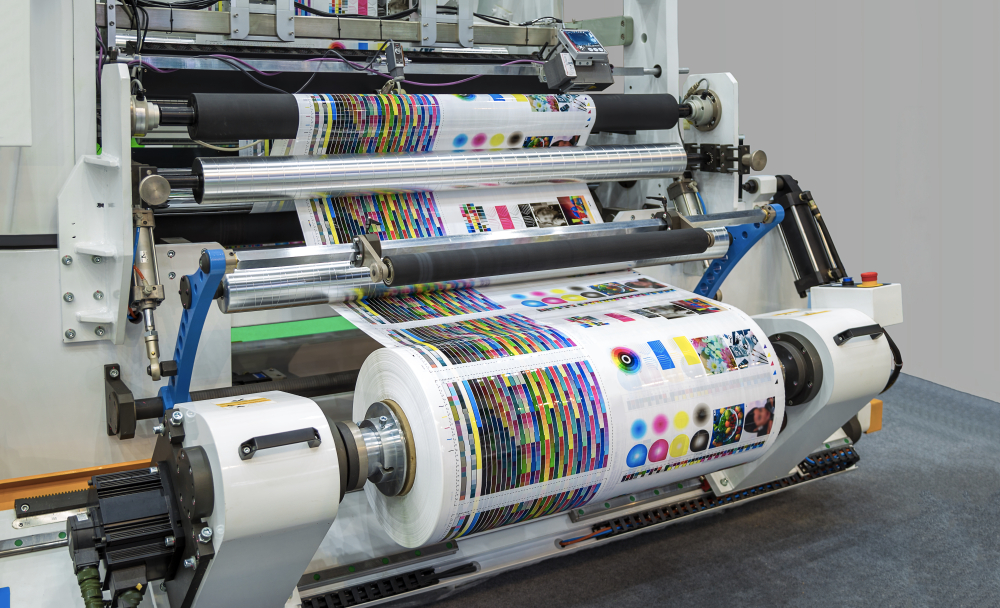

As consumer expectations evolve, brands are increasingly turning to soft-touch finishes to create memorable, high-end packaging experiences. These tactile coatings and laminates add a luxurious feel, enhance visual appeal, and help products stand out on crowded shelves. In this article, we’ll explore the latest developments shaping the use of soft-touch effects in packaging, including material innovations, sustainability considerations, and design strategies that drive engagement.
Whether you’re a packaging designer, brand manager, or print specialist, understanding the current trends in soft-touch finishes can help you deliver packaging that resonates with today’s discerning consumers. For those interested in broader packaging innovations, you may also want to learn about how to incorporate augmented reality in packaging to further elevate the unboxing experience.
What Makes Soft-Touch Finishes So Appealing?
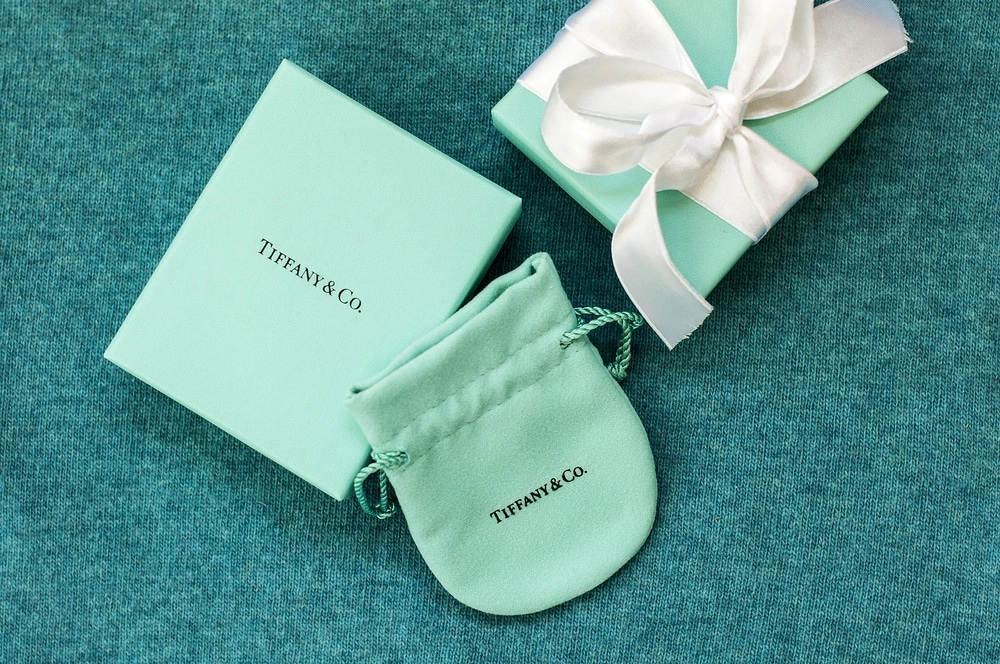
The appeal of soft-touch coatings and laminates lies in their ability to create a unique sensory experience. Unlike standard glossy or matte finishes, soft-touch surfaces offer a velvety, almost rubberized feel that instantly communicates quality and sophistication. This tactile element can influence consumer perception, making products seem more premium and desirable.
In addition to the sensory benefits, these finishes can also improve durability by providing resistance to fingerprints, scuffs, and minor abrasions. This ensures that packaging maintains its pristine appearance from production to the consumer’s hands.
Material Innovations Driving the Latest Soft-Touch Packaging Trends
Recent advances in materials science have expanded the possibilities for soft-touch effects. Today’s options go far beyond traditional coatings, offering enhanced performance and sustainability. Some of the most notable developments include:
- Water-based soft-touch coatings: These eco-friendly alternatives reduce volatile organic compounds (VOCs) and are safer for both workers and the environment.
- Biodegradable and compostable laminates: Brands seeking to minimize their environmental impact can now choose soft-touch films made from renewable resources.
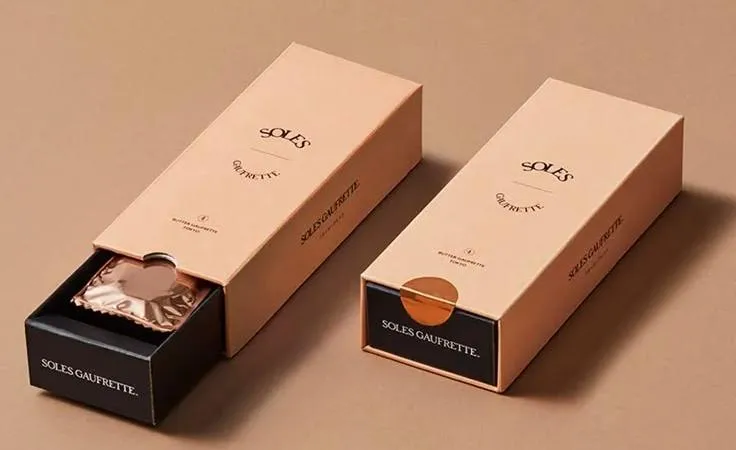
- Hybrid finishes: Combining soft-touch with spot UV, foil stamping, or embossing creates multi-sensory packaging that is both visually and physically engaging.
Design Strategies Leveraging Tactile Packaging Effects
Designers are getting creative with how they use soft-touch elements to reinforce brand identity and product positioning. Here are some effective approaches:
- Contrast and layering: Pairing soft-touch areas with high-gloss or metallic accents draws attention to logos, graphics, or key messages.
- Selective application: Instead of coating the entire package, applying soft-touch only to specific zones can guide the consumer’s hand and highlight important features.
- Textural storytelling: Using tactile finishes to evoke the product’s qualities—such as a silky feel for cosmetics or a matte grip for electronics—creates a more immersive brand experience.
These strategies not only enhance shelf appeal but also encourage consumers to interact with packaging, increasing the likelihood of purchase.
Eco-Friendly Approaches in Soft-Touch Packaging
Sustainability is a top priority for many brands, and the packaging industry is responding with greener soft-touch solutions. Water-based coatings, recyclable substrates, and compostable films are becoming mainstream, allowing companies to offer luxurious packaging without compromising on environmental responsibility.
For brands looking to further minimize their footprint, exploring what is carbon neutral printing can complement the use of sustainable soft-touch finishes. These combined efforts help brands meet consumer demand for eco-conscious products while maintaining a premium look and feel.
Emerging Technologies and the Future of Tactile Packaging
The future of packaging is being shaped by rapid technological advancements. Digital printing, nanotechnology, and smart coatings are enabling new possibilities for soft-touch effects. For example, digital presses can now apply variable tactile coatings, opening the door to personalized packaging with unique textures for each SKU or campaign.
Nanotechnology is also making waves, with ultra-thin coatings that deliver a soft feel while maintaining recyclability. To learn more about these cutting-edge developments, see our guide on what is nanotechnology in food packaging.
Industry experts predict that as consumers continue to seek out premium, sustainable, and interactive packaging, the demand for innovative tactile finishes will only grow. For a broader perspective on where the industry is heading, check out this in-depth look at the future of print and packaging.
Integrating Soft-Touch with Circular Economy Principles
As circular economy models gain traction, brands are rethinking their packaging choices to support reuse, recycling, and material recovery. Soft-touch finishes are being adapted to meet these goals, with new formulations that are compatible with recycling streams and designed for easy separation in the waste management process.
If you’re interested in designing packaging that aligns with circular principles, explore our step-by-step guide on how to design packaging for the circular economy. Combining these strategies with tactile finishes can help brands deliver both sustainability and a premium consumer experience.
Best Practices for Implementing Soft-Touch Effects
To maximize the benefits of soft-touch packaging, consider the following best practices:
- Test compatibility: Ensure that chosen coatings or laminates work well with your substrate and printing process.
- Balance aesthetics and function: While tactile appeal is important, don’t overlook durability, printability, and cost.
- Communicate value: Use design and messaging to highlight the premium nature of your packaging and justify any added cost to consumers.
- Stay informed: Keep up with the latest trends in soft-touch finishes and sustainability requirements to maintain a competitive edge.
For additional advice on optimizing your print process, see our article on tips for reducing waste in the printing process.
FAQ: Soft-Touch Packaging Finishes
What are the main benefits of using soft-touch coatings in packaging?
Soft-touch coatings provide a luxurious, tactile feel that enhances perceived value and differentiates products on the shelf. They also offer practical benefits such as resistance to fingerprints, scuffs, and minor damage, helping maintain a clean, high-quality appearance throughout the product’s lifecycle.
Are soft-touch finishes environmentally friendly?
Many modern soft-touch finishes are designed with sustainability in mind. Water-based coatings, recyclable substrates, and biodegradable laminates are increasingly available, allowing brands to combine premium aesthetics with environmental responsibility. Always check with your supplier to ensure compatibility with your sustainability goals.
Can soft-touch effects be combined with other packaging enhancements?
Yes, soft-touch finishes can be layered with other effects such as spot UV, foil stamping, embossing, and debossing. This creates multi-sensory packaging that is visually striking and highly tactile, further reinforcing brand identity and consumer engagement.