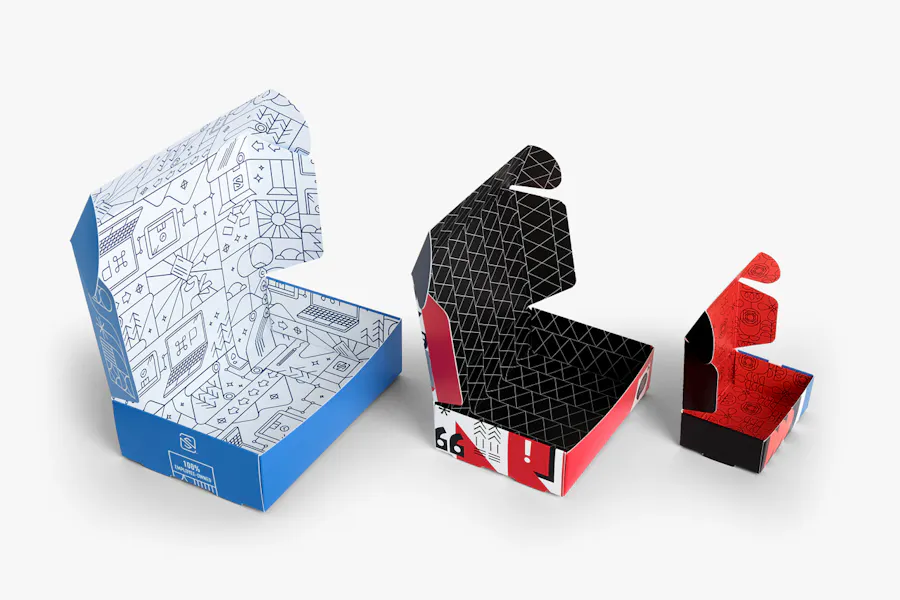

The world of packaging is undergoing rapid transformation as brands and manufacturers adapt to new technologies, sustainability demands, and evolving consumer expectations. As we approach 2026, the landscape of packaging printing is set to change dramatically, with innovative materials, smarter designs, and advanced printing techniques taking center stage. Understanding these developments is crucial for businesses aiming to stay competitive and deliver memorable customer experiences.
In this guide, we’ll explore the most significant packaging printing trends 2026 and how they are shaping the future of design, production, and branding. From eco-friendly solutions to digital advancements, these shifts are redefining what’s possible in the packaging industry.
For those interested in sustainable approaches, our resource on how to sustainable packaging printing offers a comprehensive overview of eco-friendly practices and materials.
Eco-Conscious Packaging: A Core Focus for 2026
Sustainability is no longer just a buzzword—it’s a necessity. As environmental regulations tighten and consumers become more eco-aware, brands are prioritizing recyclable, compostable, and biodegradable packaging. The move toward greener materials is matched by innovations in printing processes that minimize waste and reduce energy consumption.
Water-based and eco solvent ink for packaging are gaining traction for their low environmental impact and high-quality results. Additionally, brands are exploring minimalist designs and mono-material packaging to simplify recycling and reduce overall material use.
Digital Printing: Personalization and Short Runs
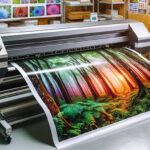
Digital printing continues to revolutionize the industry, enabling brands to produce short runs, test new designs, and personalize packaging at scale. This flexibility allows for rapid response to market trends and targeted campaigns, making it easier to connect with specific customer segments.
Variable data printing, which allows for unique graphics or messages on each package, is becoming more accessible and affordable. This technology supports limited-edition releases and customized experiences, helping brands stand out on crowded shelves.
Smart Packaging and Connected Experiences
The integration of technology into packaging is set to accelerate by 2026. Smart packaging—featuring QR codes, NFC chips, or augmented reality elements—enables brands to offer interactive experiences, track products, and provide valuable information to consumers.
These connected solutions not only enhance engagement but also support supply chain transparency and anti-counterfeiting efforts. As consumers seek more information about product origins and authenticity, smart packaging will play a pivotal role in building trust and loyalty.
Flexible Packaging and Advanced Materials
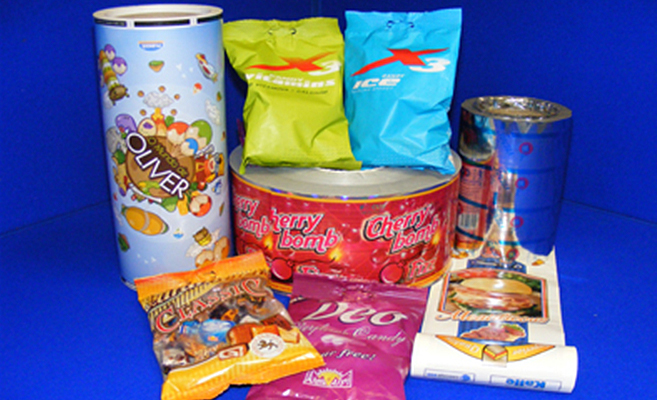
Flexible packaging formats, such as pouches and wraps, are gaining popularity due to their lightweight nature and reduced material usage. These formats are ideal for e-commerce and on-the-go lifestyles, offering convenience without compromising on protection or shelf appeal.
Advances in barrier coatings and bio-based films are making flexible packaging more sustainable and versatile. As a result, brands can deliver high-performance packaging that meets both functional and environmental requirements.
Automation and Efficiency in Printing Processes
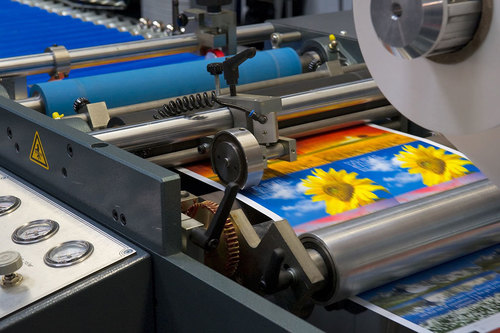
As demand for high-quality, cost-effective packaging grows, automation is becoming a cornerstone of modern printing facilities. Robotics, AI-driven quality control, and automated workflows are streamlining production, reducing errors, and enabling faster turnaround times.
These efficiencies not only lower operational costs but also allow printers to handle more complex jobs and shorter lead times, meeting the needs of brands in fast-moving markets.
Design Trends Influencing Packaging in 2026
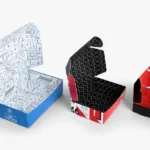
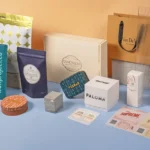
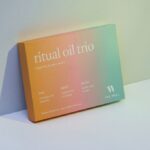
Visual identity remains a key differentiator for brands. In the coming years, expect to see bold typography, vibrant colors, and tactile finishes that create memorable unboxing experiences. Minimalist layouts, transparent windows, and matte or soft-touch coatings are also trending, reflecting a shift toward authenticity and simplicity.
With the rise of digital and social commerce, packaging is increasingly designed to be “Instagrammable,” encouraging user-generated content and organic brand promotion.
Regulatory and Market Drivers Shaping the Industry
Regulatory changes are influencing material choices and labeling requirements. Governments worldwide are introducing stricter rules on plastics, recycling, and product traceability. Brands must stay informed and agile to comply with these evolving standards.
At the same time, consumer demand for transparency and ethical sourcing is pushing companies to adopt responsible practices throughout the packaging supply chain. For more on eco-friendly ink options, see our article on eco solvent ink for retail displays.
Looking Ahead: What’s Next for Packaging Printing?
The next few years will bring continued innovation as brands, converters, and designers collaborate to create packaging that is not only functional and attractive but also sustainable and interactive. Staying ahead of the curve requires a keen understanding of the latest packaging printing trends 2026 and a willingness to invest in new technologies and materials.
For a deeper dive into future developments, explore this comprehensive analysis of print and packaging in 2026.
FAQ: Packaging Printing Innovations for 2026
What are the most important sustainability trends in packaging printing?
The leading sustainability trends include the use of recyclable and compostable materials, water-based and eco-friendly inks, and minimalist designs that reduce waste. Brands are also focusing on mono-material packaging to simplify recycling and lower environmental impact.
How is digital printing changing the packaging industry?
Digital printing enables short runs, rapid prototyping, and personalized packaging. It allows brands to quickly adapt to market trends, launch targeted campaigns, and create unique experiences for consumers through variable data and custom graphics.
What role does smart packaging play in the future of design?
Smart packaging incorporates technologies like QR codes, NFC, and augmented reality to offer interactive experiences, product authentication, and supply chain transparency. This enhances consumer engagement and helps brands build trust and loyalty.