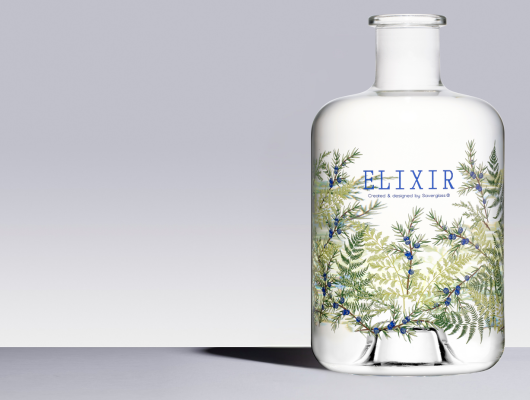

Managing heat and glare in modern buildings is a growing concern for architects, designers, and homeowners. Solar control printed glass offers an innovative solution that combines aesthetics with practical benefits. By integrating specialized patterns and coatings directly onto glass surfaces, this technology helps regulate sunlight, minimize heat gain, and reduce uncomfortable glare—all while enhancing the visual appeal of windows, facades, and interior partitions.
Whether you are designing a commercial office, a luxury home, or a retail space, understanding how this advanced glazing option works can help you make informed decisions about comfort, energy efficiency, and design flexibility. For those interested in the technical side of glass printing, you may also want to explore common mistakes in glass printing to ensure optimal results in your projects.
What Is Solar Control Printed Glass?
At its core, solar control printed glass is a type of architectural glass that features printed patterns or coatings designed to manage the transmission of sunlight. These patterns are applied using advanced printing techniques, such as ceramic frit printing or digital ceramic printing, which fuse the design onto the glass surface during the tempering process. The result is a durable, long-lasting finish that can withstand weather, cleaning, and daily use.
The main objective of this technology is to reduce the amount of solar energy and visible light entering a space. By carefully selecting the pattern, density, and color of the print, manufacturers can tailor the level of solar control to meet specific project requirements. This makes it a versatile choice for both exterior and interior applications.
Benefits of Using Printed Glass for Sun and Heat Management
There are several compelling reasons to consider solar control printed glass in your next project:
- Reduced Heat Gain: Printed patterns reflect and absorb a portion of the sun’s infrared energy, helping to keep interiors cooler and reducing reliance on air conditioning.
- Glare Reduction: By diffusing incoming sunlight, these glass panels minimize harsh glare, improving comfort for occupants and protecting furnishings from UV damage.
- Energy Efficiency: Lower cooling loads translate to decreased energy consumption and utility costs, supporting green building initiatives and sustainability goals.
- Design Flexibility: The ability to customize patterns, colors, and opacity levels allows architects to achieve both functional and aesthetic objectives.
- Privacy: Certain print designs can obscure views into a space without blocking natural light, making them ideal for offices, bathrooms, and meeting rooms.
How the Printing Process Works
The effectiveness of solar control printed glass depends on the precision and quality of the printing process. Typically, manufacturers use ceramic inks that are screen-printed or digitally applied onto the glass. The glass is then heated in a tempering furnace, permanently bonding the ink to the surface. This ensures the print will not fade, peel, or degrade over time.
For a detailed look at the various printing methods available, including their advantages and limitations, see this comprehensive guide to glass printing techniques and options.

Applications in Modern Architecture
Solar control glass with printed patterns is used in a variety of settings. Some of the most common applications include:
- Building Facades: Large glass curtain walls and facades benefit from reduced solar gain and improved occupant comfort.
- Skylights and Roof Glazing: Printed glass panels help control the intensity of daylight streaming through overhead glazing, making atriums and lobbies more pleasant.
- Interior Partitions: Offices and commercial spaces use decorative prints to provide privacy and reduce glare without sacrificing openness.
- Balustrades and Railings: Safety glass with solar control features can be both functional and visually striking.
For inspiration on how printed glass can be used creatively, check out these creative uses of printed glass for unique interiors.
Customization Options for Solar Control
One of the key strengths of this technology is its adaptability. The level of solar control can be fine-tuned by adjusting several variables:
- Pattern Density: Denser patterns block more sunlight, while lighter designs allow more light through.
- Color Selection: Darker ceramic inks absorb more heat, while lighter or reflective colors can bounce sunlight away.
- Opacity: The degree of transparency can be customized to balance daylight and privacy needs.
- Size and Placement: Patterns can be applied to the entire glass surface or only to specific areas, such as the upper portion of a window.
This flexibility allows designers to achieve the desired balance between energy efficiency, comfort, and visual impact.
Comparing Solar Control Printed Glass with Other Solutions
There are several ways to manage solar heat and glare in buildings, including tinted glass, reflective coatings, and external shading devices. However, printed glass offers distinct advantages:
- Design Integration: Unlike films or shades, printed patterns are a permanent part of the glass, offering greater durability and design freedom.
- Low Maintenance: The fused ceramic inks are resistant to scratching, cleaning chemicals, and UV exposure.
- Customizable Performance: The degree of solar control can be tailored more precisely than with standard tints or coatings.
For luxury residential projects, see how high end interior glass applications are leveraging these innovations to combine comfort with style.
Considerations for Installation and Maintenance
When specifying solar control printed glass, it’s important to work with experienced fabricators who understand the nuances of pattern design, ink selection, and glass processing. Proper installation ensures that the panels perform as intended, with consistent visual quality and optimal solar management.
Maintenance is straightforward: the printed surface can be cleaned with standard glass cleaners and soft cloths. Since the print is fused into the glass, there is no risk of peeling or fading, even with frequent cleaning or exposure to the elements.
Frequently Asked Questions
How effective is printed glass at reducing heat and glare?
Printed glass panels can significantly lower heat gain and glare, depending on the pattern density and ink color. By blocking or diffusing sunlight, they help maintain comfortable indoor temperatures and reduce eye strain caused by harsh light.
Can I customize the design for my project?
Yes, manufacturers offer a wide range of customization options, including pattern, color, opacity, and coverage area. This allows you to achieve the desired balance of aesthetics, privacy, and solar performance.
Is solar control glass suitable for both exterior and interior use?
Absolutely. These panels are commonly used for building facades, skylights, and exterior glazing, as well as for interior partitions, balustrades, and decorative features.
Conclusion
Solar control glass with printed designs is a powerful tool for architects and designers seeking to enhance comfort, reduce energy costs, and create visually engaging spaces. By understanding the technology, benefits, and customization options, you can make informed choices that align with your project goals. For more on integrating printed glass into smart environments, explore smart device glass printing and related topics on our site.