
As sustainability becomes a top priority for brands and consumers alike, the demand for recyclable product packaging continues to grow. Companies are under increasing pressure to reduce waste and create packaging that not only protects products but also supports environmental goals. However, achieving truly recyclable packaging requires more than simply choosing the right materials. It involves thoughtful design, clear communication, and a deep understanding of recycling systems.
In this article, we’ll explore practical tips for designing recyclable product packaging that meets both business needs and environmental standards. From material selection to printing techniques, these strategies will help you create packaging that is both effective and eco-friendly.
For those interested in how packaging design has evolved, the evolution of luxury packaging printing offers valuable insights into trends and techniques that can inform sustainable choices.
Choosing the Right Materials for Eco-Friendly Packaging
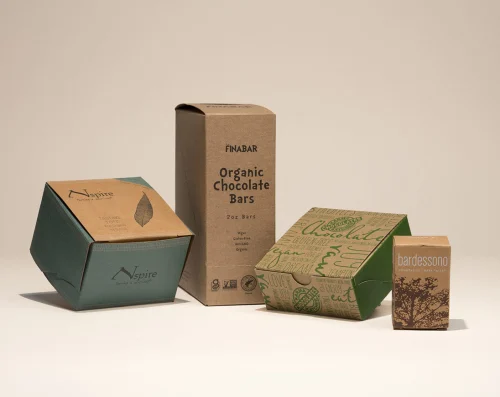
The foundation of any recyclable packaging solution is the material. Opt for substrates that are widely accepted in recycling streams, such as paperboard, corrugated cardboard, and certain plastics like PET or HDPE. Avoid multi-layered or composite materials that are difficult to separate and recycle.
- Paper-based packaging is often the easiest to recycle, provided it is free from plastic coatings or metallic foils.
- When plastics are necessary, use mono-materials and clearly label the resin type to facilitate sorting.
- Consider using recycled content in your packaging to close the loop and reduce demand for virgin resources.
For a deeper dive into sustainable printing methods, check out this resource on how to implement sustainable packaging printing.
Design Principles That Support Recycling
Effective tips for designing recyclable product packaging go beyond material selection. The way packaging is constructed and decorated can significantly impact its recyclability.
- Minimize the use of adhesives and avoid glues that are not water-soluble. Mechanical fasteners or simple folds can be better alternatives.
- Limit the use of inks, coatings, and finishes. Choose water-based or soy-based inks, and avoid laminates or metallic finishes that can contaminate recycling streams.
- Design for easy separation. If your packaging includes multiple components (like a window or insert), ensure they can be easily detached by the consumer.
- Keep decorations simple and avoid excessive embellishments that hinder recycling processes.

Printing Techniques That Enhance Recyclability
The printing process can influence whether packaging is accepted by recycling facilities. Digital and offset printing are both popular choices, but each has its own sustainability profile. For a comprehensive comparison, see this guide to the future of digital print.
- Use minimal ink coverage to reduce contamination and improve fiber recovery during recycling.
- Choose eco-friendly inks such as vegetable-based or water-based formulas.
- Test printed samples to ensure that inks and coatings do not interfere with the recyclability of the base material.
Staying updated on packaging printing trends can help you adopt new techniques that support sustainability.
Clear Labeling and Consumer Education
Even the most recyclable packaging can end up in landfill if consumers are unsure how to dispose of it. Clear, accurate labeling is essential to guide proper recycling behavior.
- Use standardized recycling symbols and provide concise instructions on how to separate or prepare packaging for recycling.
- Highlight the recyclability of your packaging as part of your brand messaging to encourage responsible disposal.
- Consider QR codes or links to online resources for more detailed recycling information.
For brands in the food sector, exploring innovative food packaging printing techniques can reveal new ways to combine functionality with sustainability.
Balancing Performance and Sustainability
While recyclability is important, packaging must still protect products and meet logistical requirements. Work closely with suppliers and recycling experts to find the best balance between durability, shelf appeal, and environmental impact.
- Test packaging under real-world conditions to ensure it performs as needed without unnecessary complexity.
- Gather feedback from recycling facilities to identify and resolve potential challenges before scaling up production.
- Regularly review and update your packaging strategy as recycling technologies and regulations evolve.
Frequently Asked Questions
What materials are easiest to recycle in packaging design?
Paperboard, corrugated cardboard, and mono-material plastics like PET and HDPE are among the most widely accepted materials in recycling programs. Avoid composite materials and mixed substrates, as they are harder to process.
How can I make sure my packaging is actually recycled?
Use clear recycling symbols and instructions, keep materials simple, and avoid non-recyclable coatings or adhesives. Educate consumers on how to properly dispose of each component to increase recycling rates.
Are there printing methods that improve packaging recyclability?
Yes, digital and offset printing with water-based or vegetable-based inks are generally preferred for recyclable packaging. Limiting ink coverage and avoiding metallic or plastic-based finishes also helps maintain recyclability.