

Inclusive design is rapidly transforming the way brands approach packaging, digital experiences, and product development. As awareness grows about the needs of visually impaired consumers, businesses are adopting new strategies to ensure accessibility is built into every stage of design. These changes are not only about compliance—they reflect a broader commitment to usability, customer satisfaction, and social responsibility.
In this article, we’ll examine the latest trends in inclusive design for visually impaired consumers, focusing on packaging, digital interfaces, and emerging technologies. You’ll discover practical approaches, industry examples, and resources to help your business stay ahead in creating accessible, user-friendly experiences for everyone.
For those interested in how digital innovation is reshaping packaging, the article what is digital prototyping for packaging offers valuable insights into speeding up production and improving accessibility through rapid prototyping.
Accessible Packaging: Tactile, Braille, and High-Contrast Solutions
One of the most visible areas where inclusive design for visually impaired consumers is making an impact is packaging. Brands are moving beyond traditional visual cues to incorporate tactile elements, Braille, and high-contrast graphics that make products easier to identify and use.
- Braille Integration: Many companies now emboss Braille on product labels, instructions, and expiry dates. This allows individuals with little or no vision to access critical information independently.
- Tactile Markings: Raised symbols, textures, and notches help distinguish products by touch. For example, unique patterns on shampoo and conditioner bottles prevent confusion in the shower.
- High-Contrast Colors: Using bold, contrasting colors on packaging and labels improves readability for people with low vision. Simple, uncluttered designs further enhance legibility.
These approaches are not just beneficial for those with visual impairments—they also improve usability for seniors and anyone navigating products in low-light environments.
Digital Accessibility: Websites, Apps, and Smart Packaging
As e-commerce and digital interactions become central to the consumer journey, ensuring accessibility online is essential. Current trends in inclusive design for visually impaired users in digital spaces include:
- Screen Reader Compatibility: Websites and apps are being optimized for screen readers, with clear heading structures, descriptive alt text, and logical navigation.
- Text Scaling and Customization: Allowing users to adjust font size, contrast, and color schemes helps those with low vision tailor digital content to their needs.
- Accessible QR Codes and Smart Packaging: QR codes on packaging can link to accessible digital content, such as audio instructions or large-print product details. This bridges the gap between physical and digital accessibility.
Brands are also investing in user testing with visually impaired participants to identify barriers and refine their digital experiences. This user-centered approach ensures that accessibility is not an afterthought, but a core design principle.
Emerging Technologies and Future Directions
Innovation continues to drive progress in making products and services more accessible. Some of the most promising developments include:
- AI-Powered Recognition: Mobile apps that use artificial intelligence to identify products, read labels aloud, or describe images are becoming more sophisticated and widely available.
- Voice-Activated Devices: Smart speakers and voice assistants allow visually impaired users to access information, shop online, and control smart packaging hands-free.
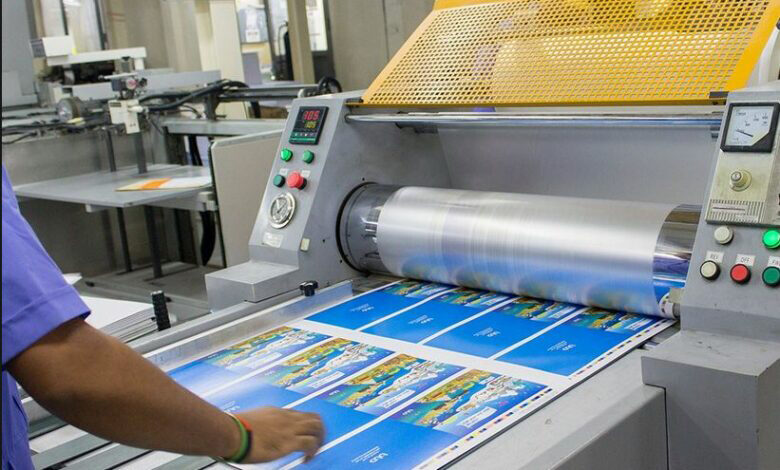
- Digital Printing Advances: The evolution of digital printing enables brands to create customized, accessible packaging at scale. For a deeper look at these innovations, see this overview of future digital printing in packaging.
These technologies are not only enhancing independence for visually impaired consumers but also setting new standards for universal design across industries.

Best Practices for Implementing Inclusive Design
Adopting accessible design strategies requires a holistic approach. Here are some best practices for brands and designers:
- Engage with the Community: Involve visually impaired individuals in the design process through focus groups, surveys, and usability testing.
- Follow Accessibility Standards: Adhere to guidelines such as the Web Content Accessibility Guidelines (WCAG) and relevant packaging regulations in your region.
- Prioritize Simplicity: Use clear, simple layouts and avoid unnecessary visual clutter. This benefits all users, not just those with visual impairments.
- Educate Teams: Train designers, marketers, and product managers on the importance of accessibility and how to implement it effectively.
- Iterate and Improve: Continuously gather feedback and update designs to address new challenges and opportunities.
For those interested in sustainable materials alongside accessibility, the guide to eco-certified paper sources for printing highlights how eco-friendly choices can complement inclusive design initiatives.
Industry Examples and Success Stories
Several leading brands are setting benchmarks in accessible packaging and digital experiences:
- Procter & Gamble: Their Herbal Essences bottles feature tactile stripes and circles to differentiate products by touch.
- Kellogg’s: The company introduced accessible cereal boxes in the UK with NaviLens codes, allowing smartphones to read out product information.
- Unilever: Many of their products now include Braille and high-contrast labeling for easier identification.
These examples demonstrate that inclusive design is not only possible but also commercially viable, enhancing brand reputation and customer loyalty.
FAQ: Inclusive Design for Visually Impaired Consumers
- What are the main features of accessible packaging for visually impaired users?
- Accessible packaging often includes Braille, tactile markings, high-contrast colors, and clear fonts. These features help users identify products and access important information independently.
- How can digital technology improve accessibility for visually impaired consumers?
- Digital solutions like screen reader compatibility, adjustable text sizes, and smart packaging with QR codes make online and physical experiences more accessible. Voice assistants and AI-powered apps also provide valuable support.
- Why is inclusive design important for brands?
- Inclusive design ensures that products and services are usable by the widest range of people, including those with disabilities. It enhances customer satisfaction, meets legal requirements, and demonstrates social responsibility.
Looking Ahead: The Future of Accessible Design
The momentum behind trends in inclusive design for visually impaired consumers is only growing. As technology evolves and awareness increases, brands that prioritize accessibility will be better positioned to serve diverse audiences and stand out in a competitive market.
For further reading on advanced print effects that can enhance both accessibility and visual appeal, see the article on how to use gradients in digital packaging print. And for ideas on custom inserts that can support accessible unboxing experiences, explore the latest trends in custom tissue paper and inserts.
By embracing inclusive design, businesses not only comply with accessibility standards but also unlock new opportunities for innovation and customer engagement. The future of packaging and product design is accessible, and the time to act is now.