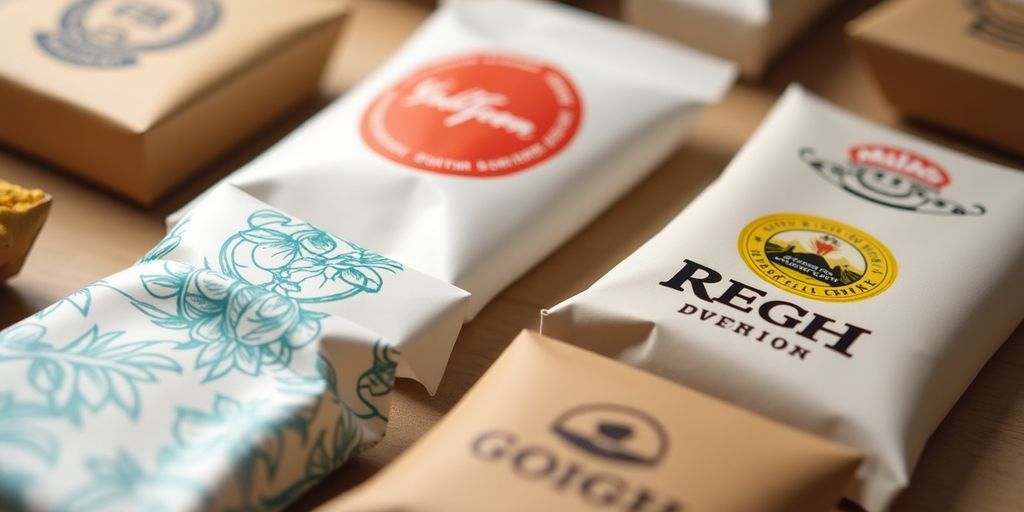

As we approach 2026, brands and designers are increasingly turning to the past for inspiration, breathing new life into classic packaging motifs. The fascination with retro and vintage packaging aesthetics is not just a fleeting fad—it’s a strategic response to consumer desires for authenticity, nostalgia, and tactile experiences in an increasingly digital world. This article explores the evolving landscape of old-school design influences, highlighting the key directions, materials, and visual cues that are shaping packaging in the coming year.
Whether you’re a packaging designer, a brand manager, or simply passionate about creative branding, understanding these design movements can help you connect with audiences seeking both comfort and novelty. For those interested in the intersection of sustainability and design, you may also want to learn more about how to design packaging for the circular economy and how these principles can be integrated with nostalgic styles.
Why Nostalgic Packaging Resonates in 2026
The resurgence of retro and vintage packaging aesthetics is driven by a collective yearning for familiarity and trust. In an era marked by rapid technological change, consumers often seek comfort in the familiar. Packaging that evokes memories of the past—through typography, color palettes, and tactile finishes—can create an immediate emotional connection.
Brands leveraging these visual cues are able to stand out on crowded shelves, offering a sense of heritage and reliability. This approach is especially effective for food, beverage, beauty, and lifestyle products, where storytelling and brand legacy play a crucial role in purchasing decisions.
Key Visual Elements Defining the Look
Several distinct design features are emerging as hallmarks of the current wave of nostalgic packaging. These elements are being adapted and reinterpreted to suit modern tastes while retaining their classic charm.
- Bold, Serif Typography: Fonts reminiscent of mid-century signage and print ads are making a comeback, lending a sense of gravitas and tradition.
- Muted and Earthy Color Schemes: Palettes featuring cream, olive, mustard, and rust evoke a sense of warmth and authenticity.
- Hand-Drawn Illustrations: Custom artwork and imperfect lines add a personal, artisanal touch that digital graphics often lack.
- Textured Materials: Uncoated paper, kraft board, and embossed finishes enhance the tactile experience, reinforcing the sense of quality and care.
- Ornamental Borders and Frames: Decorative flourishes inspired by vintage labels and posters help products stand out and tell a story.
Modern Interpretations of Classic Styles
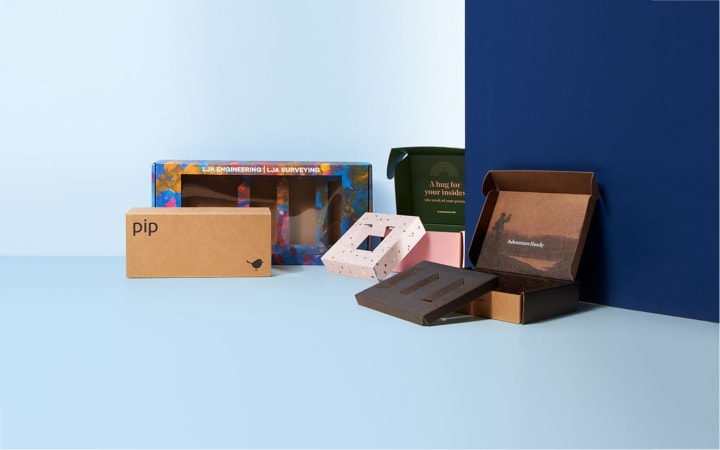
While the foundation of these designs is rooted in the past, contemporary packaging often blends vintage motifs with modern sensibilities. For example, minimalist layouts may be paired with retro color schemes, or classic illustrations might be combined with bold, sans-serif logotypes for a fresh twist.
The integration of sustainable materials is another key development. Many brands are choosing recycled or compostable substrates, aligning the nostalgic look with eco-friendly values. This synergy between old and new is especially relevant for businesses seeking to appeal to environmentally conscious consumers. For more on this topic, see what is carbon neutral printing and how it intersects with design trends.
Emerging Color Palettes and Material Choices
The color trends for 2026 are shifting toward understated, earthy tones that evoke a sense of calm and reliability. Soft pastels, faded primaries, and natural hues are favored over the neon brights of previous years. These choices not only reference the past but also reflect a growing preference for subtlety and sophistication in branding.
Material selection is equally important. Brands are investing in textured, tactile packaging—think thick, uncoated paper, recycled cardboard, and natural fibers. These materials not only enhance the sensory experience but also support a narrative of quality and sustainability.
Technology’s Role in the Revival of Vintage Packaging
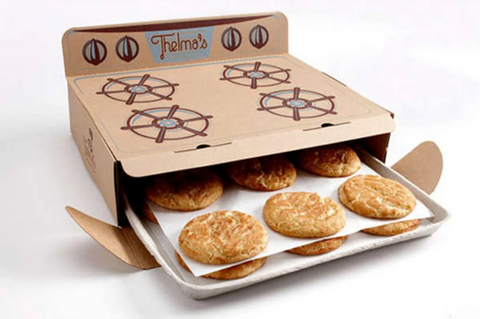
Advances in digital printing and design software are making it easier than ever to recreate the intricate details of historical packaging. High-resolution printing allows for precise reproduction of textures, metallic foils, and layered graphics. This democratization of design tools means that even small brands can achieve a premium, retro-inspired look.
The rise of digital print technology in packaging is also accelerating the adoption of vintage aesthetics. Short-run, customizable print jobs enable brands to experiment with limited-edition designs and seasonal releases, further fueling consumer interest in collectible packaging.
Balancing Heritage with Innovation
While nostalgia is a powerful tool, the most successful packaging strategies balance heritage with innovation. Brands are exploring ways to integrate interactive elements, such as QR codes or augmented reality, into classic designs—offering a bridge between analog charm and digital engagement. For those curious about this intersection, our guide on how to incorporate augmented reality in packaging provides practical insights.
Additionally, thoughtful use of space, clear labeling, and modern accessibility standards ensure that retro-inspired packaging remains functional and relevant for today’s consumers.
Practical Tips for Brands Embracing Vintage Design
- Research Your Era: Identify which decade or style best aligns with your brand’s story and audience expectations.
- Invest in Quality Materials: The tactile feel of packaging can be just as important as its visual impact.
- Balance Old and New: Combine classic elements with modern layouts, clear messaging, and up-to-date regulatory information.
- Consider Sustainability: Use recycled or compostable materials to align with contemporary consumer values.
- Test with Your Audience: Gather feedback to ensure your nostalgic designs resonate and don’t feel outdated or out of place.
Frequently Asked Questions
What are the most popular eras influencing packaging design in 2026?
The early to mid-20th century—especially the 1950s through 1970s—remains a major source of inspiration. However, some brands are also drawing from Art Deco, Victorian, and even 1990s aesthetics, depending on their target audience and product category.
How can brands ensure their retro packaging stands out?
Focus on authenticity and quality. Use genuine design references, invest in tactile materials, and avoid overused clichés. Combining vintage visuals with unique storytelling or interactive features can also help your product make a memorable impression.
Is it possible to combine vintage packaging with sustainability?
Absolutely. Many brands are successfully merging nostalgic design with eco-friendly materials and processes. Choosing recycled substrates, minimizing ink usage, and considering end-of-life recyclability are all effective strategies. For more, see our article on tips for reducing waste in the printing process.