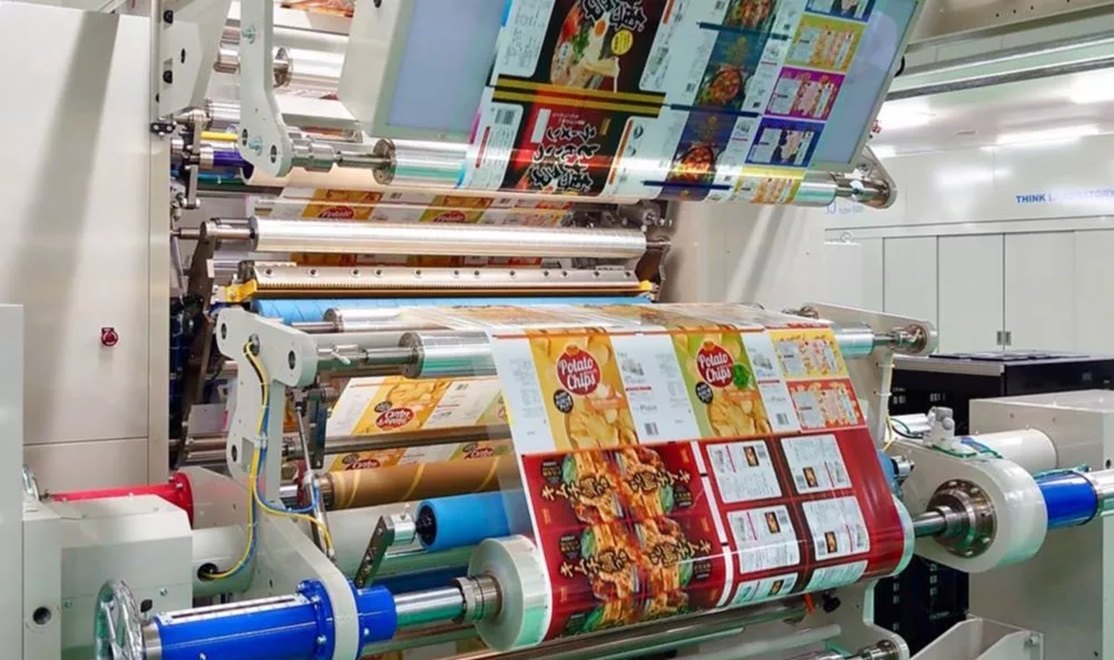

In today’s crowded marketplace, brands are constantly searching for ways to stand out and create lasting impressions. One of the most effective strategies is to engage consumers through multi-sensory packaging experiences. By appealing to more than just the sense of sight, packaging can become a powerful tool for differentiation, emotional connection, and brand loyalty. This article explores how leveraging touch, sound, scent, and even taste can elevate product presentation and drive business results.
As packaging continues to evolve, brands are also considering sustainability, print quality, and innovative materials. For those interested in eco-friendly solutions, learning how to achieve high-quality graphics on recycled paper can complement a sensory-driven approach.
Understanding Multi-Sensory Packaging and Its Impact
Traditional packaging has long relied on visual appeal—colors, graphics, and typography—to attract attention. However, modern consumers expect more than just attractive visuals. Multi-sensory packaging incorporates elements that stimulate touch, sound, smell, and sometimes taste, creating a richer and more memorable unboxing experience.
Research shows that engaging multiple senses can increase brand recall, foster emotional connections, and influence purchasing decisions. For example, a textured surface might communicate luxury, while a subtle scent can evoke nostalgia or freshness. These sensory cues help products stand out on shelves and online, especially as e-commerce continues to shape packaging trends. For more on this, see the impact of e-commerce on packaging printing trends.
Key Advantages of Sensory-Driven Packaging
Embracing a multi-sensory approach offers several unique advantages for brands seeking to deepen consumer engagement and differentiate their offerings.
- Enhanced Brand Recognition: When packaging stimulates more than one sense, it becomes easier for consumers to remember and recognize the brand. Tactile finishes, signature scents, or unique sounds (like a satisfying “pop” when opening) can all become part of a brand’s identity.
- Emotional Connection: Sensory elements evoke emotions and memories, which can lead to stronger bonds between consumers and products. For instance, a familiar fragrance or a soft-touch coating can trigger positive associations.
- Increased Perceived Value: Premium sensory features often signal quality and exclusivity, allowing brands to justify higher price points and encourage repeat purchases.
- Social Sharing and Word of Mouth: Unboxing experiences that surprise or delight are more likely to be shared on social media, amplifying brand exposure organically.
How Brands Are Using Multi-Sensory Elements
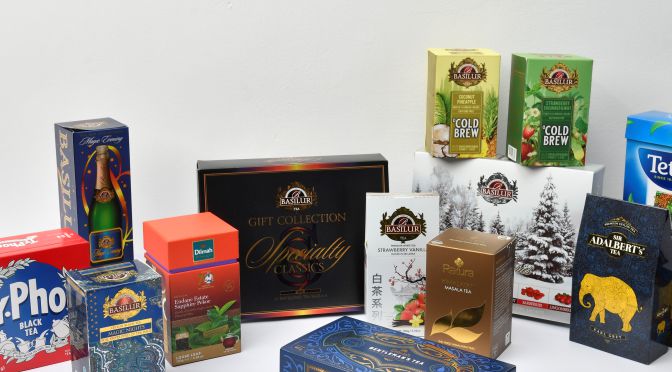
Companies across industries are experimenting with innovative ways to engage consumers’ senses through packaging. Here are some practical examples:
- Tactile Finishes: Embossing, debossing, soft-touch coatings, and textured papers add a physical dimension that invites touch. For more on tactile design, see this guide on how to use haptic elements in packaging.
- Auditory Cues: The sound of a box opening or a seal breaking can be engineered to enhance the sense of anticipation and satisfaction.
- Olfactory Features: Scented inks or microencapsulated fragrances can reinforce product attributes, such as freshness for food or relaxation for wellness items.
- Visual Surprises: Holographic foils, color-shifting inks, and interactive graphics can catch the eye and encourage closer inspection.
- Edible Packaging: In some cases, brands are even exploring edible wrappers or flavor-infused packaging for a truly immersive experience.
These strategies not only enhance the initial impression but can also influence the overall perception of product quality and care.
Business Outcomes from Sensory Packaging
The commercial impact of investing in sensory-driven packaging is significant. Brands that prioritize these experiences often see measurable improvements in customer satisfaction, loyalty, and sales. Some of the most notable outcomes include:
- Higher Conversion Rates: Engaging multiple senses can reduce hesitation and increase the likelihood of purchase, both in-store and online.
- Reduced Returns: When consumers feel emotionally connected and confident in their purchase, return rates tend to decrease.
- Stronger Brand Advocacy: Satisfied customers are more likely to recommend products and share their experiences, driving organic growth.
- Market Differentiation: In saturated categories, unique packaging experiences can set a brand apart from competitors.
According to a recent industry report on digital print for packaging, brands investing in innovative packaging are seeing substantial returns, particularly as digital printing enables more customization and sensory features.
Integrating Sensory Packaging with Sustainability
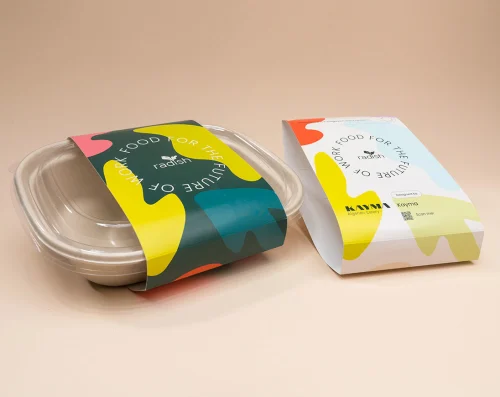
As consumer awareness of environmental issues grows, brands are challenged to balance sensory appeal with eco-friendly practices. Fortunately, advances in materials and printing technologies make it possible to create engaging packaging that is also sustainable.
- Recycled and Biodegradable Materials: Textured recycled papers and compostable films can offer tactile interest while minimizing environmental impact.
- Water-Based and Scented Inks: Modern inks can provide both visual and olfactory effects without harmful chemicals.
- Minimalist Design: Sometimes, less is more. A simple, well-crafted package with a single sensory highlight can be both impactful and sustainable. For more ideas, explore these tips for designing recyclable product packaging.
By thoughtfully combining sensory features with responsible sourcing, brands can appeal to both the senses and values of today’s consumers.
Frequently Asked Questions
What senses can be engaged through packaging design?
Packaging can stimulate sight, touch, sound, and smell, and in some cases, even taste. Visual elements include color and graphics; tactile features involve textures and finishes; auditory cues might come from opening mechanisms; olfactory effects use scents; and edible packaging can engage taste.
How does sensory packaging influence consumer behavior?
Engaging multiple senses creates a more memorable and enjoyable experience, which can increase brand recall, foster emotional connections, and encourage repeat purchases. Sensory cues can also signal quality and help products stand out in competitive markets.
Can sensory packaging be sustainable?
Yes, brands can use recycled materials, water-based inks, and minimalist designs to create eco-friendly packaging that still offers sensory appeal. Advances in technology make it possible to balance sustainability with engaging consumer experiences.