
The world of glass decoration and branding has evolved rapidly, with UV glass printing emerging as a leading technology for both industrial and creative applications. This process uses ultraviolet light to instantly cure specially formulated inks directly onto glass surfaces, resulting in vibrant, durable, and precise prints. Businesses and designers are increasingly turning to this method for its efficiency and superior results, especially when compared to traditional techniques like screen printing or etching.
Understanding the advantages of UV glass printing can help you make informed decisions for your next project—whether you’re customizing bottles, creating branded displays, or designing unique interior features. In this article, we’ll break down the key benefits, including production speed, print quality, versatility, and more. For those interested in exploring creative applications, you might also find inspiration in creative uses of printed glass for unique interiors.
How UV Printing on Glass Works
UV printing on glass involves applying a thin layer of ink to the surface and then instantly curing it with ultraviolet light. This rapid curing process ensures that the ink bonds tightly to the glass, creating a durable and vibrant image. Unlike traditional methods, there’s no need for drying time, which significantly speeds up production.
The process is compatible with a variety of glass items, from bottles and jars to panels and decorative pieces. The ability to print directly onto curved or flat surfaces makes UV technology highly adaptable for different industries, including packaging, interior design, and electronics.
Production Speed: A Major Benefit
One of the most significant advantages of UV glass printing is its remarkable speed. The instant curing of inks eliminates the waiting periods associated with air-drying or heat-setting in older techniques. This allows for faster turnaround times, making it ideal for both small-batch customization and large-scale manufacturing.
For businesses with tight deadlines or high-volume orders, this efficiency translates into cost savings and increased productivity. The ability to quickly switch designs or personalize each item without lengthy setup also gives UV printing a clear edge over conventional processes.
Print Quality and Durability
Another key reason to choose UV technology is the exceptional print quality it delivers. The inks used are formulated for high color density and sharpness, resulting in images that are both vivid and detailed. Fine text, gradients, and photographic images are all rendered with impressive clarity.
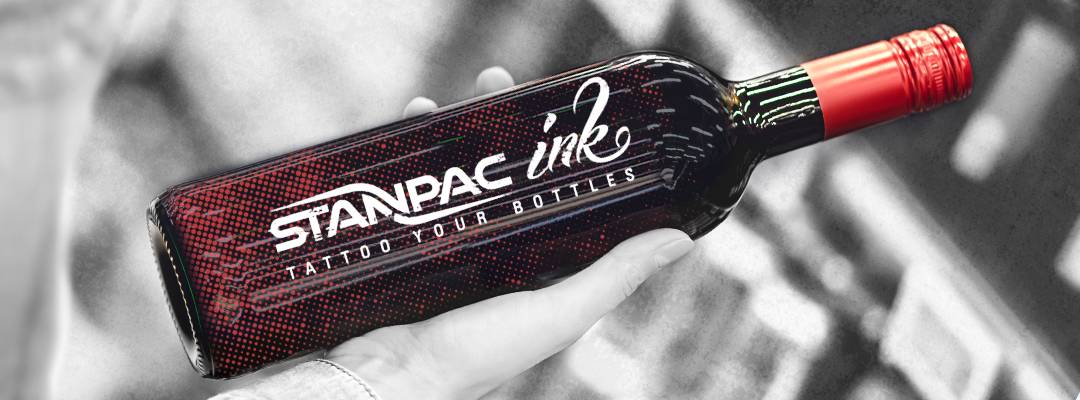
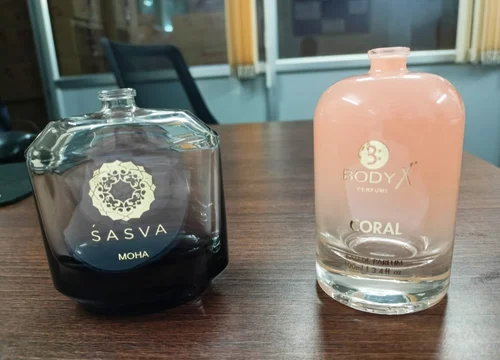
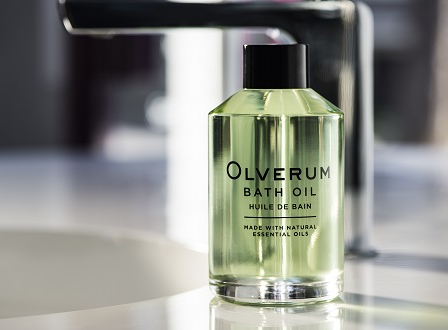
Durability is equally important. UV-cured inks are resistant to scratching, fading, and moisture, making them suitable for products that will be handled frequently or exposed to challenging environments. This is particularly valuable for items like drinkware, perfume bottles, and branded glass displays.
Versatility Across Applications
The flexibility of UV glass printing extends to a wide range of applications. Whether you’re producing limited-edition art pieces, custom packaging, or signage, the process can accommodate different shapes, sizes, and design requirements. It’s also compatible with both transparent and colored glass, opening up creative possibilities for designers and marketers.
For those interested in exploring more about the technical side and industry uses, the comprehensive guide to printing onto glass provides additional insights into how UV printing is being adopted in various sectors.
Comparing UV Printing to Traditional Glass Decoration Methods
Traditional glass decoration often involves screen printing, etching, or decal application. While these methods have their place, they come with limitations such as longer production times, higher labor costs, and restrictions on color or design complexity.
UV printing, by contrast, offers:
- Faster setup and turnaround for both short and long runs
- Greater design flexibility, including full-color images and variable data
- Reduced waste due to precise ink application and minimal setup materials
- Lower risk of errors compared to manual or multi-step processes
If you’re interested in learning about potential pitfalls, consider reading about common mistakes in glass printing and how to avoid them.
Environmental and Economic Considerations
UV glass printing is also recognized for its environmental advantages. The inks are typically free from volatile organic compounds (VOCs), and the instant curing process reduces energy consumption compared to heat-based methods. Less waste and fewer consumables further contribute to a more sustainable workflow.
From an economic perspective, the speed and efficiency of UV technology can lower production costs, especially for businesses that need to respond quickly to market trends or customer demands. The ability to print on demand reduces inventory requirements and allows for greater customization.
Design Freedom and Customization
One of the standout features of UV printing is its ability to handle complex and highly customized designs. Whether you need to print variable data, intricate logos, or full-color photographic images, this technology delivers consistent results across every piece.
This level of customization is particularly valuable for branding and promotional products. Companies can easily update graphics, add personalized messages, or create limited-edition runs without investing in new screens or plates. For more on how printed glass can enhance brand presence, see the article on branding opportunities with printed glass.
Challenges and Considerations
While the advantages of UV glass printing are substantial, it’s important to be aware of certain challenges. Surface preparation is critical—glass must be clean and sometimes pre-treated to ensure optimal ink adhesion. Additionally, not all UV inks are suitable for every application, so selecting the right formulation is essential for long-term durability.
Investing in UV printing equipment can require a higher upfront cost compared to traditional methods, but the long-term savings and flexibility often outweigh the initial expense. For high-end applications, such as luxury interiors, the technology enables stunning results, as discussed in high end interior glass applications.
Future Trends in UV Glass Printing
The field of UV printing continues to advance, with improvements in ink chemistry, printhead technology, and automation. These innovations are expanding the range of possible applications, from smart device coatings to architectural glass panels. As demand for personalized and visually striking products grows, UV printing is set to play an even larger role in the glass decoration industry.
For those interested in the intersection of technology and glass, the article on smart device glass printing offers a closer look at how precision coatings are shaping the future.
Frequently Asked Questions
What makes UV glass printing faster than traditional methods?
UV printing uses ultraviolet light to instantly cure inks, eliminating the need for drying time. This allows for immediate handling and packaging, significantly reducing production cycles compared to screen printing or etching.
Is UV-printed glass suitable for outdoor or heavy-use applications?
Yes, UV-cured inks are highly durable and resistant to scratches, moisture, and fading. This makes them ideal for products that will be exposed to frequent handling or challenging environments.
Can UV printing be used for small batches or one-off designs?
Absolutely. One of the main benefits is the ability to quickly switch designs and produce customized or limited-edition pieces without lengthy setup or high minimum order requirements.
Are there environmental benefits to using UV printing on glass?
UV printing is generally more eco-friendly than traditional methods, as it uses inks with low or no VOCs and consumes less energy due to the instant curing process.
Conclusion
The shift toward UV technology in glass decoration is driven by its speed, print quality, and adaptability. Whether you’re a manufacturer, designer, or business owner, understanding the advantages of UV glass printing can help you achieve better results, reduce costs, and expand your creative possibilities. As this technology continues to evolve, it promises even greater opportunities for innovation in both functional and decorative glass applications.