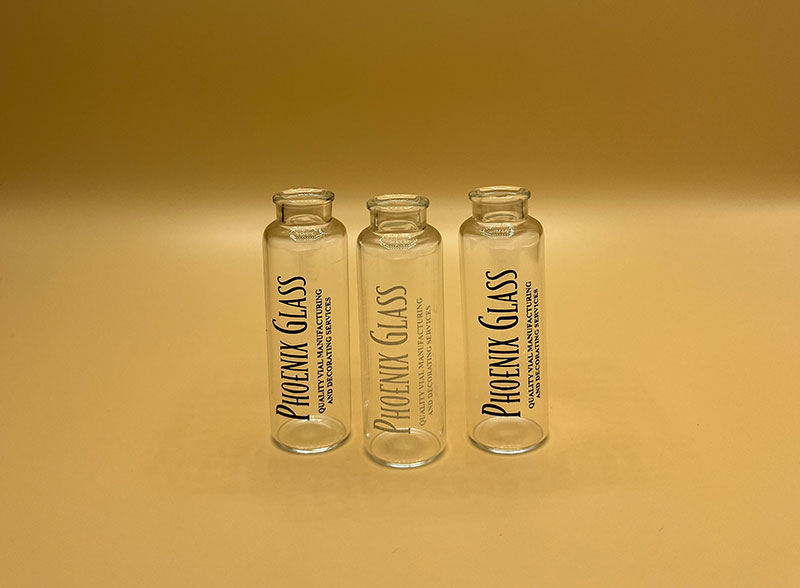

Glass printing has become a cornerstone of modern design, branding, and manufacturing. Among the most robust and enduring methods is the use of ceramic inks for glass printing. These specialized inks, when fused in a kiln, create vibrant, permanent designs that withstand time, weather, and handling. Whether for decorative panels, branded bottles, or architectural features, kiln-fused ceramic prints offer unmatched durability and versatility.
Understanding the science and process behind these inks is essential for anyone looking to achieve professional, long-lasting results. In this article, we’ll explore how ceramic-based inks work, their advantages, application techniques, and practical tips for successful glass decoration. For those interested in avoiding pitfalls, our guide on common mistakes in glass printing provides valuable insights for both beginners and experienced printers.
What Are Ceramic Inks and How Do They Work?
Ceramic inks are a unique class of pigments and binders formulated specifically for application on glass and ceramics. Unlike organic inks, these contain finely ground inorganic pigments—often metal oxides—suspended in a medium that allows for screen printing, digital printing, or pad printing onto glass surfaces.
Once applied, the printed glass is fired in a kiln at high temperatures (typically 500–700°C). This process causes the ink to fuse with the glass, creating a permanent, scratch-resistant, and UV-stable image. The result is a print that won’t fade, peel, or degrade, even in harsh environments.
Advantages of Kiln-Fused Glass Decoration
Choosing ceramic inks for glass printing offers several significant benefits over other printing methods:
- Durability: The kiln-firing process bonds the ink to the glass, making it resistant to abrasion, chemicals, and weathering.
- Vivid Colors: Inorganic pigments retain their brightness and clarity even after years of exposure to sunlight and cleaning agents.
- Versatility: Suitable for a wide range of applications, from cosmetic bottles and drinkware to architectural glass panels and signage.
- Eco-Friendly: Many ceramic inks are lead-free and formulated to meet environmental standards.
For creative inspiration, see our article on creative uses of printed glass in unique interiors and design projects.
Key Applications for Ceramic Glass Printing
The use of kiln-fused inks on glass spans a variety of industries and products:
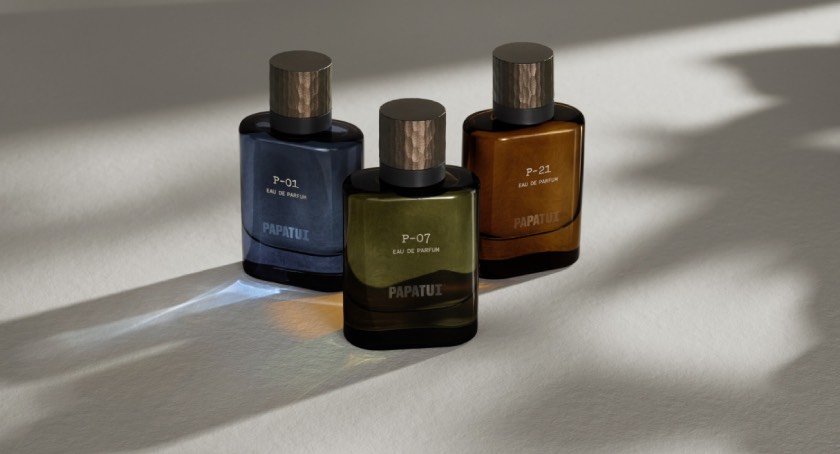
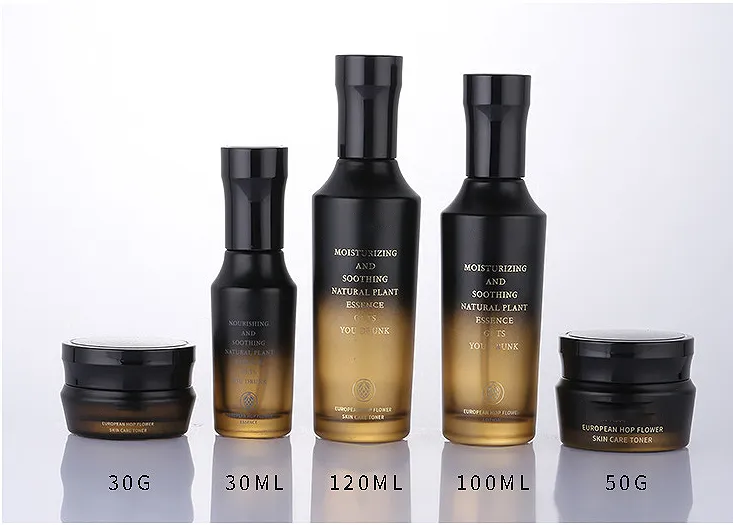
- Cosmetic and Perfume Bottles: Brands rely on permanent prints for logos, labels, and decorative effects.
- Architectural Glass: Facades, partitions, and balustrades often feature custom graphics or patterns for both aesthetics and privacy.
- Tableware and Drinkware: Logos, measurement marks, or decorative motifs are fused onto glasses, mugs, and plates.
- Appliance Panels: Control panels and displays on ovens, microwaves, and refrigerators use ceramic prints for durability.
- Specialty Products: Items like awards, commemorative plates, and art glass benefit from the permanence of kiln-fused designs.
Printing Techniques for Ceramic Inks on Glass
There are several methods for applying ceramic inks for glass printing, each suited to different production volumes and design requirements:
Screen Printing
This traditional technique uses a mesh screen to transfer ink onto the glass. It’s ideal for bold, opaque designs and is widely used for bottles, jars, and flat glass panels. Screen printing allows for thick ink deposits, resulting in vibrant, durable prints.
Digital Ceramic Printing
Digital printers equipped with specialized printheads can apply ceramic inks directly onto glass. This method enables high-resolution images, gradients, and variable data, making it perfect for custom or short-run projects.
Pad Printing
For irregular or curved surfaces, pad printing offers precise ink transfer using a silicone pad. It’s commonly used for small items like glassware, appliance buttons, and laboratory equipment.
Regardless of the method, the printed glass must be fired in a kiln to achieve the desired fusion and durability.
Preparation and Firing: Achieving Lasting Results
Proper surface preparation is critical for successful kiln-fused prints. The glass must be clean, free of oils, dust, and residues. Some manufacturers use flame or plasma treatment to enhance ink adhesion.
After printing, the glass is carefully loaded into a kiln. The firing schedule—temperature, ramp rate, and hold time—must be matched to the ink formulation and glass type. Over- or under-firing can affect color, adhesion, and durability.
For those new to the process, starter kits and etching creams can be helpful for experimentation and learning. Products like the Caydo Screen Printing Kit and Armour Etch Cream are popular choices for small-scale and DIY projects.
Design Considerations and Color Choices
Ceramic inks are available in a wide range of colors, including metallics and special effects. However, the final hue can be influenced by the glass color, firing temperature, and ink thickness. It’s important to test and adjust designs as needed for optimal results.
Designers should also consider the transparency or opacity of the ink, especially for backlit or translucent applications. Layering and halftone techniques can create gradients, shading, and complex visuals.
Comparing Ceramic and Organic Inks for Glass
While both ceramic and organic inks can be used for glass decoration, their properties differ significantly:
| Property | Ceramic Inks | Organic Inks |
|---|---|---|
| Durability | High (kiln-fused) | Moderate (can scratch or fade) |
| Color Stability | Excellent (UV and chemical resistant) | Good, but may fade over time |
| Application | Requires kiln firing | Air-dry or UV-cure |
| Common Uses | Architectural, industrial, premium packaging | Promotional, short-term, decorative |
For projects where longevity and resistance are crucial, kiln-fused ceramic prints are the preferred choice.
Tips for Successful Glass Printing with Ceramic Inks
- Always test new inks and firing schedules on sample glass before full production.
- Use high-quality screens or printheads for crisp, consistent results.
- Maintain a clean, dust-free workspace to avoid defects.
- Store inks according to manufacturer guidelines to preserve performance.
- Consult with suppliers for technical support and troubleshooting.
For advanced applications, such as high end interior glass applications or branding opportunities with printed glass, working with experienced professionals ensures the best outcomes.
Industry Trends and Innovations
The field of glass decoration continues to evolve. Recent innovations include digital ceramic printing, eco-friendly formulations, and expanded color ranges. Manufacturers are also developing inks compatible with low-temperature firing, reducing energy costs and expanding substrate options.
For a closer look at technical coatings and precision work, see our resource on smart device glass printing.
To learn more about the process and see examples of glass printing in action, visit this comprehensive overview of glass printing techniques.
Frequently Asked Questions
Are kiln-fused ceramic prints dishwasher safe?
Yes, once properly fired, ceramic prints on glass are highly resistant to dishwashing, abrasion, and chemicals. This makes them ideal for drinkware, bottles, and food containers.
Can I use ceramic inks at home without a kiln?
While some low-temperature inks are available, true ceramic fusion requires a kiln to achieve permanent results. For hobbyists, small tabletop kilns or etching creams can be used for basic projects, but industrial durability is only achieved through proper firing.
What is the difference between screen printing and digital ceramic printing?
Screen printing uses a mesh stencil to apply ink, best for bold, solid designs and high-volume runs. Digital ceramic printing uses inkjet technology to create detailed, full-color images and is ideal for custom or short-run work.
How do I choose the right ceramic ink for my project?
Consider the type of glass, desired color, firing temperature, and application method. Consult with your ink supplier for recommendations and always test before full production.