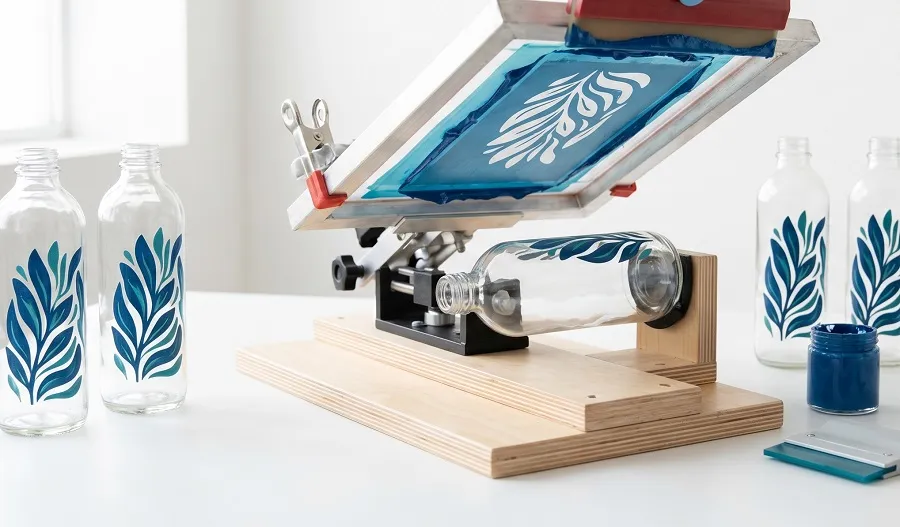

Heat resistant glass printing has become a cornerstone technology for industries and creators who need both visual impact and long-lasting performance. Whether it’s branding on glass bottles, decorative panels for interiors, or functional markings on laboratory equipment, this process delivers designs that withstand high temperatures, abrasion, and daily wear. Understanding how this technology works, its safety benefits, and its practical applications can help you make informed decisions for your next project.
For those interested in exploring the creative side of printed glass, you might find inspiration in creative uses of printed glass for unique interiors. This resource highlights how printed glass can transform spaces while maintaining durability and safety.
What Makes Glass Printing Heat Resistant?
Not all printed glass is created equal. The difference between ordinary decorative glass and heat resistant glass printing lies in the materials and techniques used. Specialized inks, enamels, and printing processes are designed to fuse with the glass surface at high temperatures, creating a bond that resists peeling, fading, and damage even under intense heat.
Key factors that contribute to thermal durability include:
- High-temperature curing: After printing, glass is often fired in a kiln or oven. This process permanently bonds the ink or enamel to the substrate.
- Specialized pigments: Inks and enamels are formulated to maintain color and integrity at elevated temperatures.
- Surface preparation: Proper cleaning and pre-treatment ensure maximum adhesion and longevity.
These methods are essential for applications where glass will be exposed to heat, such as kitchenware, laboratory glass, lighting, and architectural features.
Popular Methods for Durable Glass Decoration
There are several proven techniques for achieving robust, heat-tolerant prints on glass. Each has its own strengths, depending on the intended use and design complexity.
Screen Printing on Glass
Screen printing remains a go-to method for industrial and commercial glass decoration. It uses a mesh stencil to transfer thick layers of ceramic ink or enamel onto the glass. After printing, the glass is fired at high temperatures, making the design permanent and highly resistant to heat and chemicals.
This technique is ideal for:
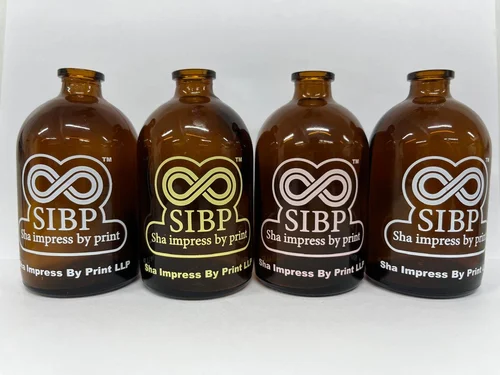
- Logos and branding on bottles and jars
- Decorative patterns on tableware
- Functional markings on laboratory or technical glass
Digital Printing for Glass
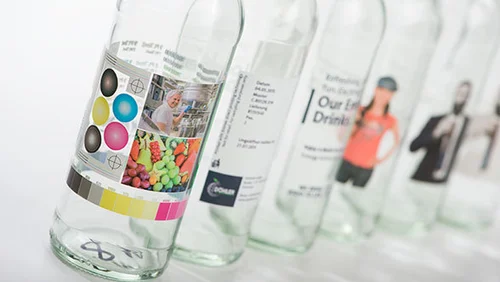
Advancements in digital printing have opened new possibilities for glass decoration. Specialized printers can apply UV-curable inks directly onto glass surfaces, producing vibrant, detailed images. While digital prints are not always as heat-resistant as kiln-fired enamels, some systems use inks designed for post-print curing, making them suitable for certain high-temperature applications.
For a deeper dive into the technical aspects and options, see this comprehensive guide to glass printing techniques.
Etching and Sandblasting
Etching and sandblasting create designs by removing a thin layer of glass, resulting in a frosted or textured finish. While these methods don’t use colored inks, the resulting patterns are inherently resistant to heat and wear, making them popular for both decorative and functional glassware.
Applications and Benefits of Heat-Tolerant Glass Decoration
The ability to print durable designs on glass unlocks a wide range of possibilities across industries:
- Food and beverage packaging: Permanent branding and measurement marks on bottles and jars
- Architectural glass: Decorative panels, privacy screens, and safety markings for buildings
- Laboratory and medical glassware: Measurement scales, safety warnings, and identification marks
- Consumer products: Oven-safe cookware, glass mugs, and lighting fixtures
Choosing the right printing method ensures that designs stay vibrant and legible, even after repeated exposure to heat, washing, and handling. This not only enhances product appearance but also supports safety and regulatory compliance.
Safety Considerations and Best Practices
When working with heat-resistant glass decoration, safety is paramount—both during production and in the final product. Here are some best practices to ensure safe and effective results:
- Use non-toxic, lead-free inks and enamels for food-contact and consumer products.
- Proper ventilation during printing and firing to avoid inhaling fumes.
- Follow manufacturer guidelines for curing times and temperatures to achieve optimal durability.
- Test adhesion and resistance before full-scale production, especially for items that will be washed or heated frequently.
For those new to glass decoration, it’s also helpful to review common mistakes in glass printing and how to avoid them. This can save time, reduce waste, and ensure a safer, more reliable finished product.
Emerging Trends and Innovations
The field of glass decoration continues to evolve, with new materials and processes expanding what’s possible. Recent innovations include:
- Smart coatings that add functionality, such as anti-microbial or self-cleaning properties
- Digital ceramic printing for high-resolution, full-color designs that are both beautiful and durable
- Eco-friendly inks and processes that reduce environmental impact
These advances are making it easier for designers and manufacturers to create products that are not only visually striking but also safe and long-lasting. For luxury and high-end applications, see how high end interior glass applications are leveraging these technologies for stunning results.
FAQ: Heat-Resistant Glass Decoration
What types of glass can be printed with heat-resistant designs?
Most commercial and industrial glass types can be decorated using heat-resistant methods, including soda-lime, borosilicate, and tempered glass. The key is to match the printing technique and ink formulation to the specific glass substrate and intended use.
How do I ensure my printed glass is dishwasher and oven safe?
Choose printing methods that use kiln-fired ceramic inks or enamels, as these are specifically designed to withstand repeated heating and washing. Always verify with your supplier or manufacturer that the finished product meets relevant safety standards for your application.
Can I achieve full-color, photographic images with heat-resistant glass printing?
Yes, modern digital ceramic printing allows for high-resolution, full-color images that are fused to the glass surface during firing. This method is increasingly popular for architectural panels, signage, and custom consumer products.
Conclusion
Durable glass decoration that stands up to heat and daily use is essential for a wide range of products and environments. By understanding the available techniques, safety considerations, and emerging trends, you can select the best approach for your needs—whether you’re branding bottles, designing interiors, or creating functional glassware. For more on how printed glass can support branding, see branding opportunities with printed glass.
As technology advances, expect even more creative and resilient options for glass decoration—ensuring your designs remain both beautiful and functional for years to come.