Modern packaging demands rapid adaptation, cost efficiency, and high-quality results. As brands compete for attention and strive to meet evolving consumer expectations, the printing technology behind packaging production plays a crucial role. Hybrid printing presses—which combine digital and conventional printing methods—are transforming how businesses approach packaging projects. Understanding the benefits of hybrid printing presses for packaging can help manufacturers, designers, and brand owners make informed decisions that enhance flexibility, reduce costs, and speed up time to market.
Hybrid presses offer a unique blend of versatility and efficiency, allowing for shorter runs, faster prototyping, and seamless integration of variable data. These advantages are especially valuable in today’s landscape, where personalization, sustainability, and rapid product launches are more important than ever. For those interested in accelerating their packaging development, exploring what is digital prototyping for packaging can provide additional insights into streamlining production workflows.
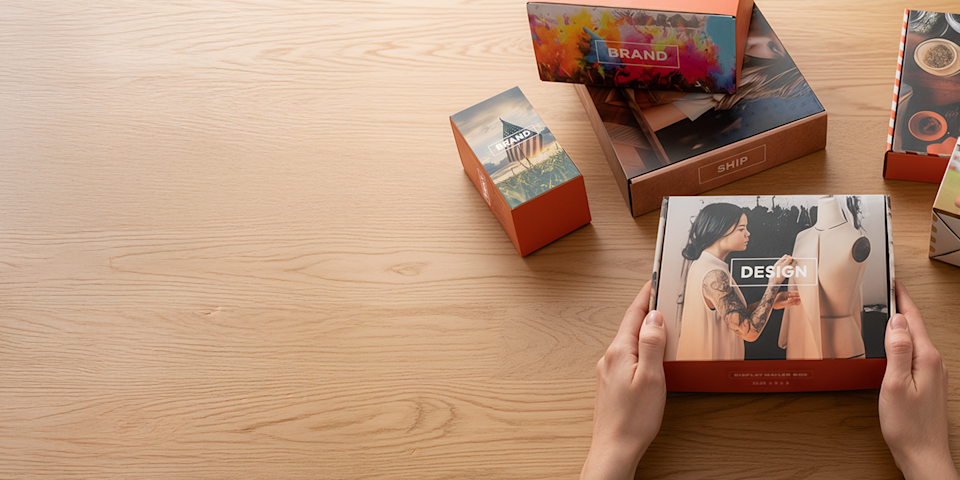
How Hybrid Printing Technology Enhances Packaging Adaptability
One of the most significant advantages of hybrid presses is their ability to adapt to a wide range of packaging requirements. By integrating both digital and analog printing units on the same line, these systems allow operators to switch between processes or even combine them in a single pass. This capability is invaluable for brands that need to produce multiple SKUs, seasonal packaging, or limited-edition runs without incurring excessive setup times or costs.
For example, digital modules excel at handling variable data—such as personalized graphics, barcodes, or QR codes—while flexographic or offset units deliver consistent quality for large, static design elements. This synergy means packaging producers can efficiently manage both short and long runs, adjust artwork on the fly, and respond quickly to market changes.
Key Benefits of Hybrid Printing Presses for Packaging Producers
Embracing hybrid printing solutions brings a host of practical benefits for packaging manufacturers and brands. Here are some of the most impactful advantages:
- Reduced Lead Times: Digital modules eliminate the need for plates or lengthy setup, enabling faster job changes and shorter turnaround times.
- Cost Efficiency for Short Runs: Hybrid presses make it economically viable to produce small batches, test new designs, or launch regional campaigns without the waste associated with traditional methods.
- Personalization and Variable Data: Brands can incorporate unique codes, names, or localized messaging directly into packaging, supporting targeted marketing and anti-counterfeiting efforts.
- Consistent Quality: The combination of analog and digital units ensures both vibrant colors and precise details, regardless of run length or substrate.
- Material Versatility: Hybrid systems can handle a wide range of substrates, from paperboard and corrugate to films and labels, expanding creative possibilities.
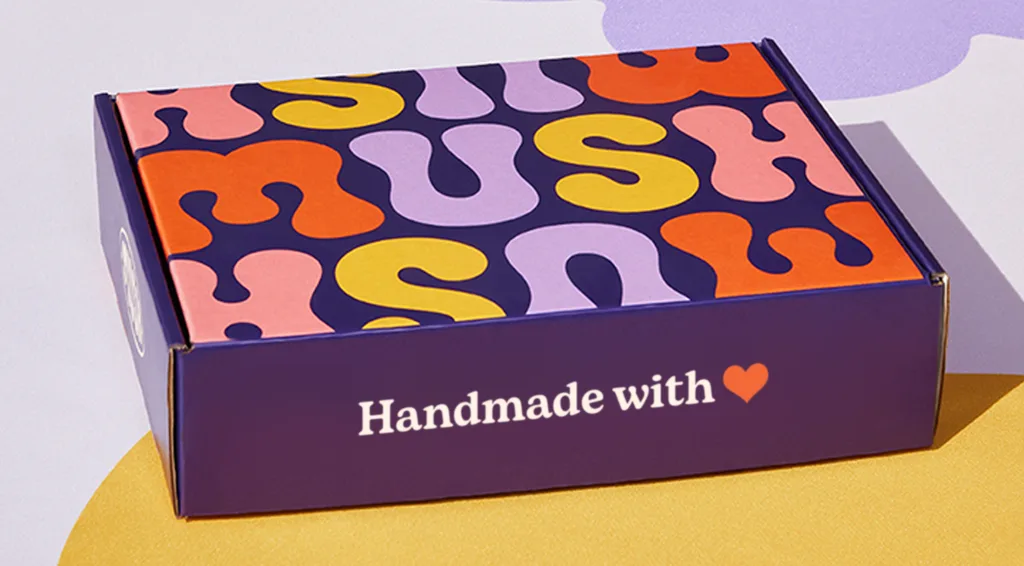
Improving Packaging Flexibility with Hybrid Presses
Packaging flexibility is no longer a luxury—it’s a necessity for brands navigating fast-changing markets. Hybrid presses empower businesses to respond to shifting consumer demands, regulatory requirements, and seasonal trends with unprecedented agility. For instance, a food brand can quickly update packaging to reflect new nutritional guidelines or promotional offers, while a cosmetics company can test limited-edition designs without overcommitting resources.
Furthermore, hybrid technology supports sustainable practices by minimizing waste and enabling just-in-time production. By printing only what’s needed, companies can reduce inventory, lower storage costs, and decrease the risk of obsolete packaging. This approach aligns with growing consumer interest in eco-friendly solutions and responsible sourcing.
To further optimize color consistency and quality across global packaging operations, some brands are also leveraging benefits of cloud-based color management systems, which integrate seamlessly with hybrid workflows.
Hybrid Printing and the Future of Packaging Innovation
The packaging industry is undergoing rapid transformation, driven by digitalization, sustainability, and consumer expectations for unique experiences. Hybrid presses are at the forefront of this evolution, enabling faster prototyping, mass customization, and creative experimentation. By bridging the gap between digital and traditional printing, these systems unlock new possibilities for packaging design and production.
For a deeper dive into how digital advancements are shaping the industry, the future of digital packaging blog offers expert perspectives on upcoming trends and technologies.
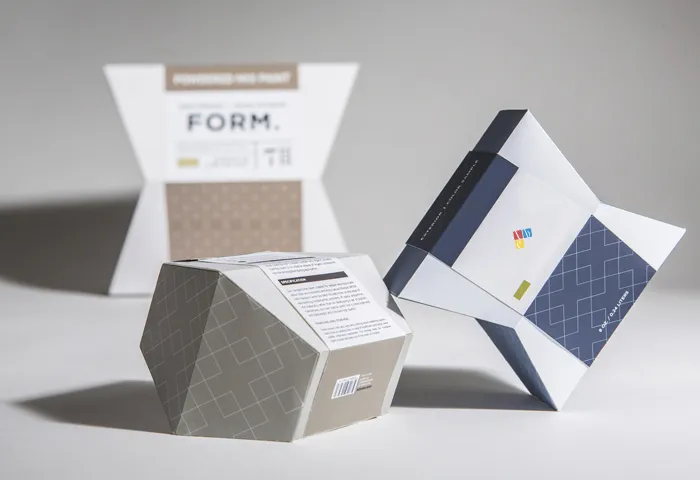
Comparing Hybrid, Digital, and Conventional Printing for Packaging
When selecting a printing solution, it’s important to weigh the strengths and limitations of each technology. Here’s a quick comparison to clarify where hybrid presses stand:
| Feature | Hybrid Printing | Digital Printing | Conventional Printing |
|---|---|---|---|
| Setup Time | Low to Moderate | Very Low | High |
| Run Length Flexibility | High | Best for Short Runs | Best for Long Runs |
| Variable Data | Yes | Yes | No |
| Material Range | Wide | Moderate | Wide |
| Cost Efficiency | Optimal for Mixed Runs | Short Runs | Long Runs |
| Quality Consistency | High | High | High |
This comparison highlights why hybrid presses are increasingly favored for packaging projects that require both flexibility and scale.
Integrating Hybrid Presses Into Packaging Workflows
Adopting hybrid technology doesn’t require a complete overhaul of existing processes. Many presses are modular and can be customized to fit specific production needs. Businesses can start by adding digital units to conventional lines or investing in fully integrated hybrid systems. Training staff and updating workflow software are key steps to maximize the return on investment.
Brands targeting younger demographics or seeking to stand out on shelves should also consider how hybrid technology supports innovative design techniques. For example, learning how to design packaging for Gen Z consumers can help leverage the creative freedom offered by hybrid presses.
Frequently Asked Questions
What types of packaging benefit most from hybrid printing?
Hybrid presses are ideal for folding cartons, labels, flexible packaging, and corrugated boxes—especially when projects require frequent design changes, personalization, or short-to-medium print runs.
How do hybrid presses support sustainability in packaging?
By enabling on-demand production and reducing setup waste, hybrid presses help minimize excess inventory and lower the environmental impact of packaging operations. This supports brands’ efforts to adopt more sustainable practices.
Can hybrid printing presses handle specialty finishes?
Yes, many hybrid systems can incorporate specialty coatings, varnishes, and embellishments. This allows brands to achieve premium looks and tactile effects while maintaining the efficiency and flexibility of hybrid workflows.
Conclusion
The shift toward hybrid printing is reshaping the packaging industry, offering unmatched flexibility, cost savings, and creative potential. By blending the strengths of digital and conventional methods, hybrid presses empower brands to respond quickly to market trends, personalize their packaging, and operate more sustainably. As technology continues to evolve, those who embrace these innovations will be best positioned to thrive in a competitive marketplace.